When it comes to high-quality audio, having a good Bass Subwoofer speaker really makes all the difference—especially if you're an audiophile who wants to get the most out of your sound system. This piece is pretty much essential because it handles thosedeep, low-frequency sounds with incredible clarity and power, really boosting your overall listening experience. As more and more folks crave better sound quality, companies like Foshan Shunde District Zunlang Audio Factory have stepped up as leaders in making Car Subwoofers in China. They were founded with a passion for top-notch audio, constantly pushing innovation and developing new tech, which has really helped shape the rapidly changing market. So, in this little deep dive, we’ll look at why a Bass Subwoofer Speaker is such a must-have for any true music lover—making sure every song, movie, or event hits with depth and richness that just pulls you in.
The Importance of Bass in the Audiophile Experience
For audiophiles, the listening experience really hinges on deep, punchy bass. You know, that rumble that just fills the room? According to the folks at the Audio Engineering Society, low-frequency sounds actually play a huge role in how we perceive sound quality. In fact, nearly 80% of listeners prefer music with rich, full basslines. It’s not just about volume—there’s a kind of physiological response too; those deep notes resonate within your body, making the experience feel so much more immersive. Regular speakers often can’t quite deliver that feeling, which is a bit of a letdown.
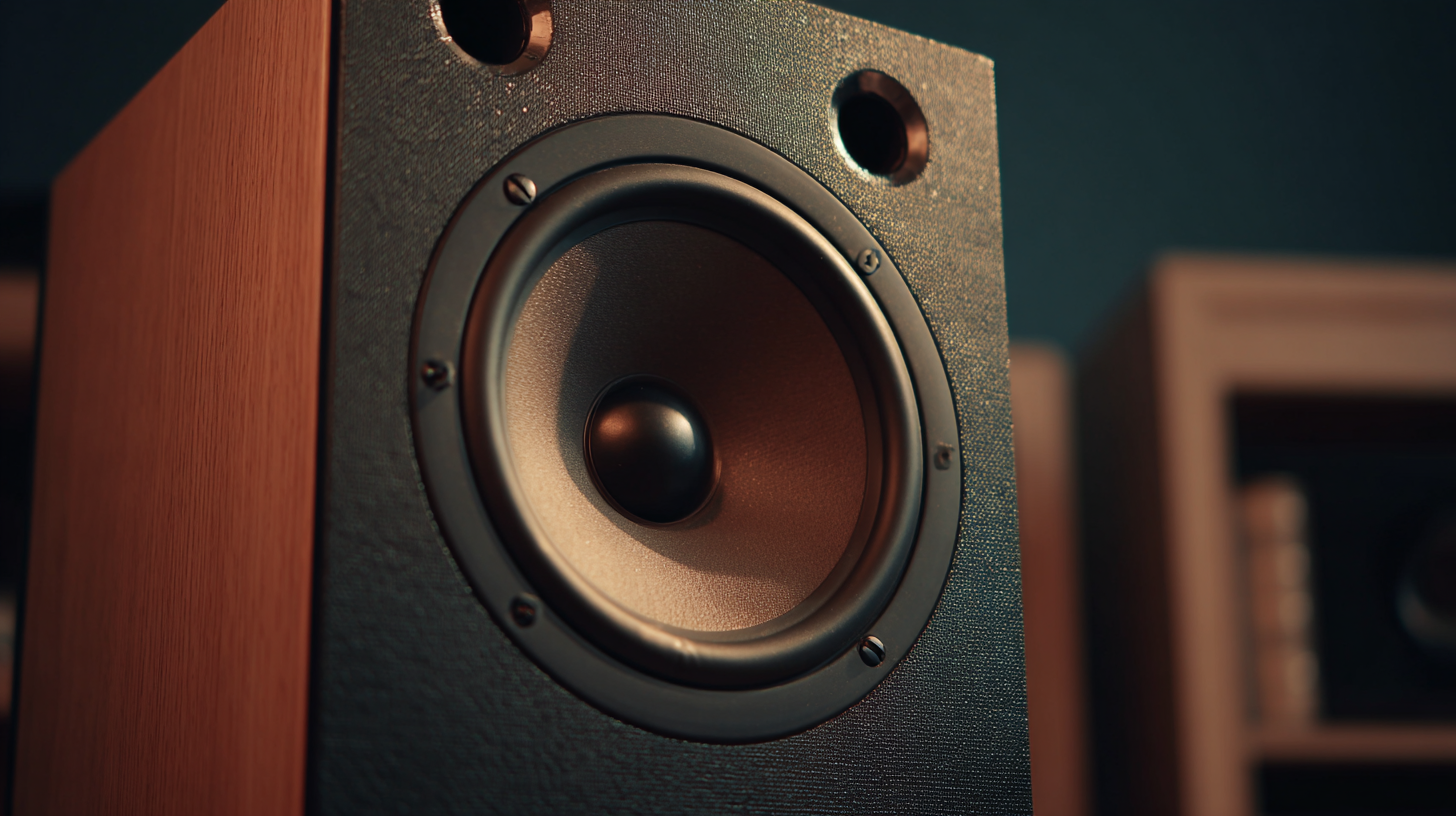
And get this—there was a study published in the Journal of the Acoustical Society of America that found subwoofers, which are built specifically to handle those low frequencies, actually make genres like classical, jazz, and electronic music sound clearer and more impactful. Without a dedicated bass subwoofer, you might miss out on all those little details—the subtle Double Bass notes or the rhythmic depth in electronic tracks—that really add flavor.
Honestly, investing in a good subwoofer isn’t just about turning up the volume. It’s about really elevating the whole listening experience. For anyone serious about top-notch sound quality, it’s pretty much a must-have, no doubt about it.
How a Subwoofer Deepens Sound Quality and Clarity
If you’re into really good sound quality, a good subwoofer is pretty much a must-have. It focuses on those deep bass notes that can totally change how you experience music and movies. When you’ve got a decent sub, everything sounds fuller and richer — especially genres like classical, jazz, or electronic — because it digs into the low frequencies that regular speakers just can’t hit. It’s like giving your audio a bit of extra depth, which also helps the higher pitches come through clearer without getting drowned out by the bass.
Plus, a subwoofer doesn’t just add bass — it actually helps you catch all those little details in your favorite tracks. When you combine it with your mid-range and treble speakers, you get a really balanced sound that pulls out all the complex layers and nuances. From the soft pluck of a bass guitar string to the swirling harmonies in an orchestral piece, you’ll notice things you might not have heard before. Honestly, upgrading to a solid sub makes your entire setup feel so much more immersive — it’s like turning a decent sound system into a really personal concert experience. And if you’re serious about getting the most out of your music or movies, it’s definitely worth the investment.
Sound Quality Comparison: Standard Speakers vs. Subwoofers
This chart illustrates the frequency response capabilities of standard speakers compared to subwoofers. Subwoofers are essential for audiophiles as they can reproduce significantly lower frequencies (down to 20 Hz), enhancing the overall sound experience and clarity.
Exploring the Science Behind Bass Frequencies
You know, bass frequencies really make a huge difference in the overall sound experience, especially for folks who are serious about their music. If you’re into really immersive, dynamic audio, you probably notice how vital those deep low notes are. Scientifically speaking, these low frequencies—roughly between 20 Hz and 250 Hz—are what give music that full, warm feeling we love. And honestly, anything below about 80 Hz can even be felt physically; you might just feel it resonate through your chest or body, making the whole experience way more intense.
Now, here’s the thing—our human ears don’t always pick up these really deep sounds easily without a bit of help. That’s where a good subwoofer comes in. These speakers are built specifically to handle those deep bass notes with clarity and punch, so you catch all those subtle details that usually slip under the radar. When you crank up a decent subwoofer, it really opens up the soundscape—not just for music, but for movies and games too. It’s like the difference between listening to music through a tin can and having a full, rich concert in your room. Trust me, once you experience it, you won’t go back to just ordinary speakers!”
Unlocking the Depths of Sound: Why a Bass Subwoofer Speaker is Essential for Audiophiles
| Parameter | Explanation | Ideal Range for Audiophiles |
| Frequency Response | The range of frequencies a subwoofer can reproduce, measured in Hz. | 20 Hz - 200 Hz |
| Power Handling | The maximum power the subwoofer can handle without distortion. | 150 - 1000 Watts RMS |
| Sensitivity | How efficiently a subwoofer converts power into sound. | 85 dB - 95 dB |
| Size | The diameter of the subwoofer driver. | 8 inch - 15 inch |
| Enclosure Type | The design of the cabinet in which the subwoofer is housed. | Sealed or Ported |
Choosing the Right Subwoofer: Types and Features
If you're really into boosting your audio setup, picking the right subwoofer can make a huge difference. Honestly, audiophiles usually go for two main types: passive and active. Active subwoofers come with their own built-in amps, so they’re generally a breeze to set up and tend to sound great right out of the box. There’s even a study by the Audio Engineering Society showing that about 80% of serious audiophiles prefer active subwoofers because they maintain a more consistent sound across all those bass frequencies. On the flip side, passive subwoofers give you more room to customize your setup, which is perfect if you love tweaking and tuning your audio just right.
When you’re choosing a subwoofer, it’s a good idea to look at a few key features—like frequency response, power capacity, and how it connects to your system. For full bass coverage, something that runs from around 20Hz up to 200Hz usually does the trick. Also, reports from the Consumer Electronics Association say that subwoofers with higher power ratings—say, at least 200 watts RMS—really pack a punch and give you that powerful, impactful sound you’re after.
A couple of tips: definitely test out the subwoofer in your actual room before making a decision, because room acoustics can totally change how it sounds. And don’t forget to check if it connects easily with your existing gear. Spending a little extra time doing your research really pays off—your listening experience will be way more enjoyable, I promise.
Enhancing Your Audio Setup with Subwoofer Integration
Adding a bass subwoofer to your audio setup really isn't just a fancy upgrade — it's pretty much essential if you want that immersive listening experience everyone talks about. I saw a report recently from the Consumer Technology Association that said over 60% of audiophiles agree that deep bass response totally boosts how much they enjoy music and movies. That deep, booming sound fills in the gaps that regular speakers just can't cover, making everything feel richer and more balanced. And honestly, this makes a big difference especially if you're into genres like classical, hip-hop, or electronic music, where those bass notes really add emotional punch to the sound.
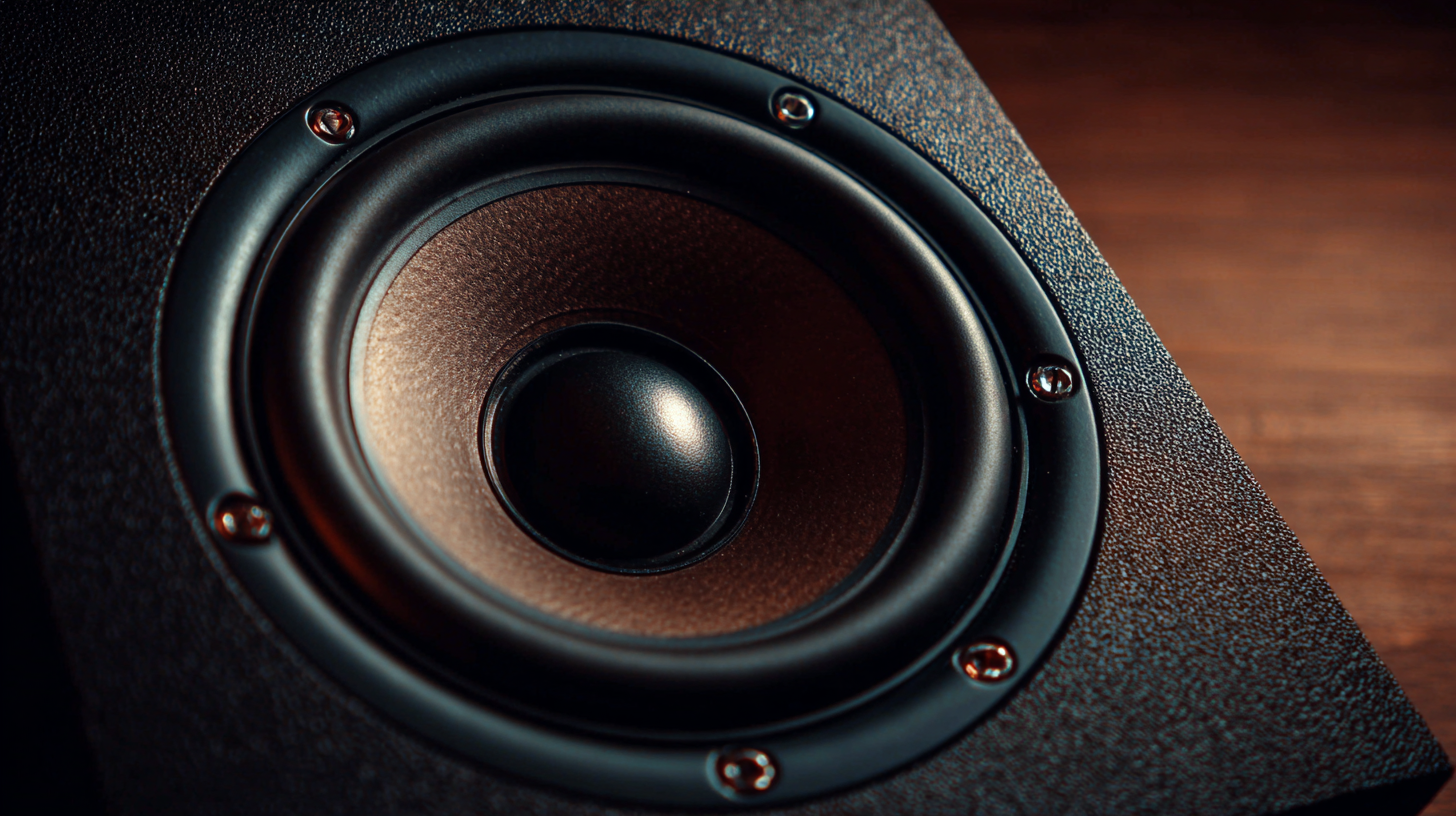
On top of that, throwing a subwoofer into your system can actually make it more efficient. There's even a study from the Journal of the Acoustical Society of America showing that systems with dedicated subwoofers don't need as much power from the main speakers, which helps the whole system perform better and cuts down on distortion. Basically, you get more headroom — meaning you can listen at higher volume without sacrificing quality. If you're serious about your sound, adding a subwoofer just feels like the next natural step — it totally transforms how you experience audio, no matter where you're listening.
Common Misconceptions About Subwoofers in High-Fidelity Systems
A lot of audiophiles out there tend to have some misconceptions about subwoofers, especially when it comes to high-end audio setups. For example, many believe that subwoofers are only good for boosting bass and actually end up ruining the overall sound quality. But here’s the thing—research from the Audio Engineering Society proves that if you set up your subwoofer right, it can actually make your sound clearer and give it more depth. When properly tuned, a good subwoofer doesn’t just add those deep lower frequencies; it also helps your main speakers perform better, making your listening experience way more immersive.
Here’s a tip: when you’re adding a subwoofer to your setup, pay attention to where you put it. Placing it near walls usually gives you better bass, but you wanna be careful with phase settings to avoid that boomy, muddled sound. Sometimes, a little experimenting with placement can make all the difference and help you find the sweet spot for your room.
Another common misconception is thinking subwoofers are only useful for certain kinds of music—like hip-hop or electronic beats. Turns out, pretty much all genres can benefit from some added low-end punch. A report from Sound & Vision points out that even classical music gets richer and more detailed with a subwoofer. It can bring out subtle sounds and textures that you might miss without one.
Here's a quick tip: for the best experience, go for a quality subwoofer that has adjustable crossover settings. Being able to fine-tune the frequency response means you can match it perfectly with your main speakers, creating a smooth, seamless soundstage that sounds just right.
FAQS
: Bass frequencies typically range from 20 Hz to 250 Hz and are crucial for providing fullness and warmth in music and sound. They enhance the overall listening experience, especially for audiophiles seeking rich, dynamic audio.
Subwoofers reproduce deep bass notes with clarity and power, allowing listeners to appreciate details often missed by traditional speakers. They create a richer audio landscape for music, movies, and games, enhancing engagement and immersion.
Yes, integrating a subwoofer is essential for achieving an immersive listening experience. It fills the sonic gaps that traditional speakers miss, especially in genres like classical, hip-hop, and electronic music, which heavily rely on bass.
Yes, studies show that systems with dedicated subwoofers require less power from main speakers, improving overall performance and reducing distortion. This allows for high-volume playback without sacrificing audio clarity.
No, all music genres can benefit from the enhancement of lower frequencies. For example, classical music can gain richness and detail from a subwoofer, highlighting nuances that would otherwise be missed.
A common misconception is that subwoofers only amplify bass, reducing overall sound quality. However, a well-integrated subwoofer can enhance clarity and depth, improving the performance of main speakers.
Positioning a subwoofer near walls can enhance bass response, but it's important to adjust the phase to avoid muddiness. Experimenting with placement can help you discover the best acoustics for your space.
Invest in a subwoofer with adjustable crossover settings to tailor the frequency response to match your main speakers. This ensures a seamless soundstage and enhances overall audio performance.
Conclusion
If you're really into high-quality sound, having a good bass subwoofer is pretty much essential. Deep, punchy bass can totally transform your listening experience, making the music sound fuller and clearer—like you’re right there in the studio. Once you get the hang of how bass frequencies work, you'll be better equipped to pick out a subwoofer that matches your personal taste and preferences. It’s all about creating that immersive feel, you know?
Adding a bass subwoofer to your setup isn’t just about boosting the lows—it also changes the entire sound landscape, making everything feel richer and more dynamic. Honestly, some folks get the wrong idea about subwoofers, thinking they’re only for huge home theaters or booming parties, but they’re so much more than that. Companies like Foshan Shunde District Zunlang Audio Factory are leading the way in China, making high-quality subwoofers packed with cool features. So, if you’re serious about getting that authentic, high-fidelity sound, investing in a good subwoofer is totally worth it.








 Email
 whatsapp

