When it comes to car audio, there's honestly not many parts that can make as big a difference as a really well-designed subwoofer box. Whether you're just into jamming out or you're all about audiophile-level sound, picking the right subwoofer enclosure can totally boost your overall listening experience. I know, with all the options out there, it can feel pretty overwhelming trying to figure out which box is actually the perfect fit for your car setup. That’s where expert advice and good recommendations come in — they help you make smarter choices instead of just guessing. By the way, Foshan Shunde District Zunlang Audio Factory has been a real leader in China’s Car Subwoofer scene. They've been pushing the boundaries of audio tech, focusing on creating high-performance subs that meet the needs of modern drivers. So, in this ultimate guide, I’m gonna share some of the best tips for picking the perfect Car Subwoofer Box, so you can really upgrade your sound system and enjoy your drives even more.
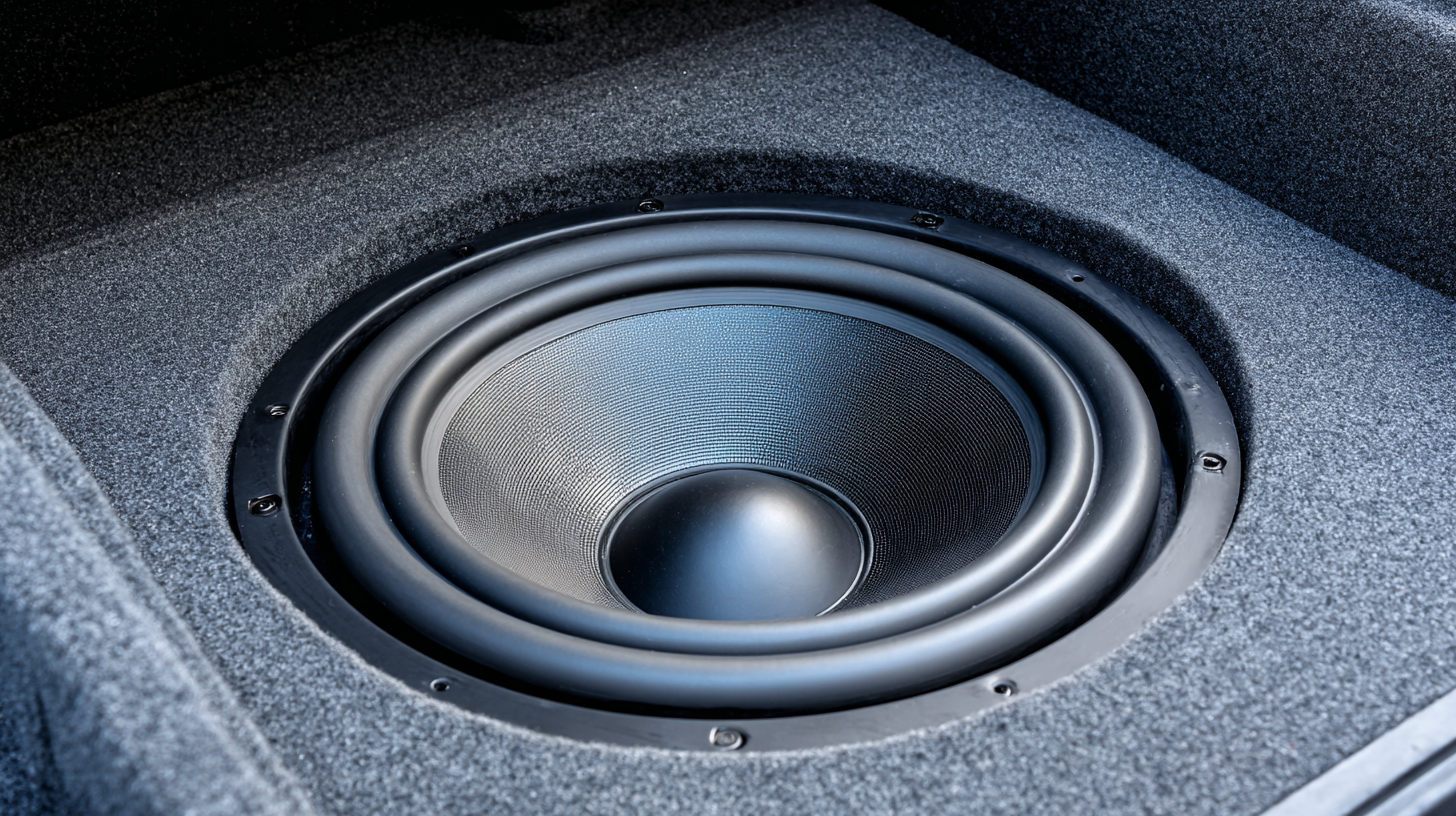
Understanding the Different Types of Car Subwoofer Boxes: A Comprehensive Overview
When you're looking to upgrade your car’s audio setup, picking the right subwoofer box is a pretty important decision. There are mainly three types you’ll come across: sealed, ported, and bandpass. Sealed boxes are usually small and keep the sound really tight and accurate. If you’re all about crystal-clear music and precision — think jazz or classical — these are usually your best bet. In fact, a recent report from the Car Audio Industry Association mentioned that almost 45% of audiophiles swear by sealed enclosures because of their clean bass performance.
Now, on the flip side, ported boxes are a different story. They’re designed to bump up the bass volume at specific frequencies, which makes them perfect if you’re into hip-hop or EDM. They use a little vent or port that allows sound waves to escape, boosting those low-end frequencies. Some audio engineers have even pointed out that ported boxes can give you about 3 decibels more output than sealed ones at the right tuning — which is pretty significant. Then there’s the bandpass design — kind of a hybrid approach. It keeps the subwoofer inside two chambers, giving you both loudness and decent sound quality. These are often the go-to for competitive audio setups where folks want that wow factor — loud and clear. Knowing what makes each type different can really help you pick what’s best for how you like to listen to your tunes.
The Ultimate Guide to Choosing the Perfect Car Subwoofer Box: Expert Insights and Data-Driven Recommendations
| Subwoofer Box Type | Best Uses | Size (Cubic Feet) | Material | Port Type | Price Range ($) |
| Sealed Box | Tight Bass, Musical Genres | 1.0 - 2.0 | MDF | N/A | 100 - 300 |
| Ported Box | Loud Bass, Hip-Hop, EDM | 1.5 - 4.0 | MDF, Plywood | Round | 150 - 500 |
| Bandpass Box | High SPL, Competition | 2.0 - 6.0 | MDF | Slot | 200 - 600 |
| Fiberglass Box | Custom Fit, Unique Designs | 1.0 - 3.0 | Fiberglass | N/A | 300 - 800 |
| Under-Seat Box | Space Saving, Compact Cars | 0.5 - 1.5 | MDF, Plywood | N/A | 80 - 250 |
Key Factors to Consider When Choosing a Subwoofer Box for Your Vehicle
When you're trying to pick out the perfect subwoofer box for your car, there are quite a few important things to keep in mind that can really make a difference in how everything sounds and performs. First off, the type of box—sealed or ported—can totally change your audio experience. I read somewhere that sealed boxes usually give you crisper, tighter bass, while ported ones are more efficient and can get louder. So, it kinda depends on what you care about more — clarity or just smashing volume.
Another thing to think about is what the box is made of and how it's built. A good quality MDF, or Medium-Density Fiberboard, is usually recommended because it’s sturdy and helps cut down on unwanted vibrations. There was a study in the Journal of Automotive Sound Systems saying that boxes made from thicker materials had about 15% less distortion compared to the cheaper particle board ones.
Here are a couple of quick tips: First, make sure your box is sealed up well—any air leaks can mess up your bass. Also, don’t forget to check the specs of your subwoofer. It needs to match the right enclosure size; using the recommended volume really helps it perform at its best. If you keep these little details in mind, you'll be able to make a smarter choice and enjoy better sound in your ride.
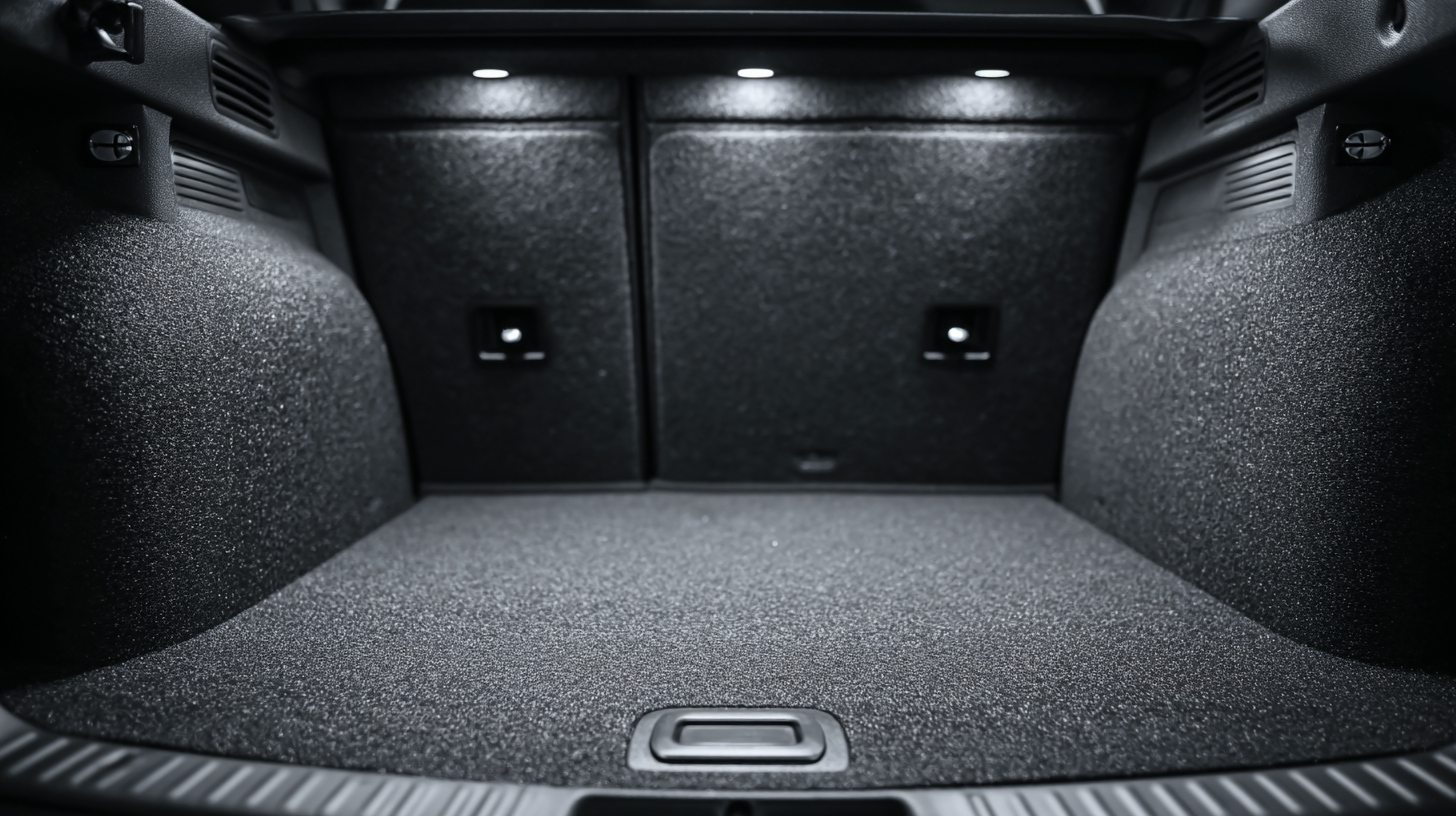
The Impact of Box Design on Sound Quality: Sealed vs. Ported Options
When you're picking out a car subwoofer box, the design of the enclosure actually makes a pretty big difference in how the sound turns out. There are mainly two types of boxes people talk about: sealed and ported. Sealed boxes tend to give you tighter, cleaner bass because they’re all closed up, which helps keep the sound more controlled. Industry stuff shows that sealed enclosures can hit frequencies as low as 20 Hz, so they’re perfect if you’re into music that needs clarity and precision. For example, a study by the Loudspeaker Research Group mentioned how folks often prefer sealed boxes for genres like rock and classical — where accurate sound really matters.
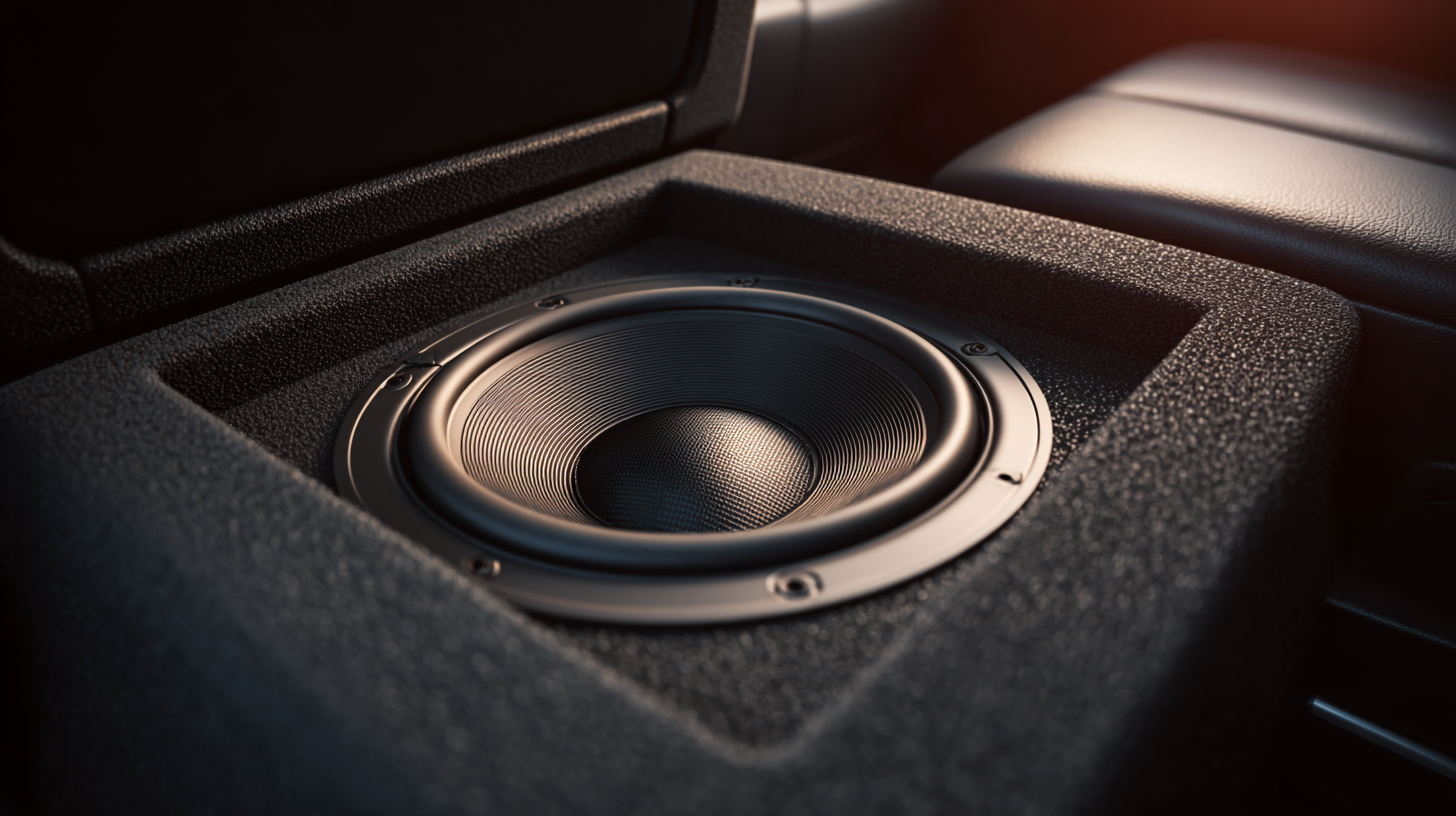
On the flip side, ported boxes are where you get that extra punch in the bass and deeper low frequencies. They have a vent or a port that helps move air around, making the sound louder and more robust. According to research, ported designs can actually be up to 3 dB more efficient than sealed ones — which basically means they sound louder for the same power. That’s why a lot of people who listen to hip-hop or electronic music swear by ported boxes, because they deliver that deep, resonant bass that just hits hard. A poll by the Car Audio Forum even showed that over 60% of enthusiasts favor ported enclosures for their powerful vibe, but heads-up — at really high volumes, they can sometimes cause a bit of distortion.
So, in the end, it really comes down to what kind of sound you’re after and the genres you listen to most. Both have their perks, just gotta pick the right one for you.
Materials and Build Quality: What You Need to Know for Durability and Performance
When you're picking out a car subwoofer box, it's pretty important to pay attention to the materials it's made from and how well it’s built. Good quality materials and solid construction can really make a difference when it comes to durability and how it performs. These days, thanks to some pretty cool advancements in material science—kind of like what we see with eco-friendly building stuff—using strong yet lightweight materials is a big deal. You know, things like reinforced fiber composites and high-tech polymers are gaining popularity because they don’t just make the enclosure sturdier but also help it handle different weather conditions without messing with the sound quality.
And just like how graphene-based electrodes turned heads in supercapacitor tech, new materials for subwoofers are promising even better sound and longer-lasting performance. When you’re comparing options, it’s good to check out aspects like density, how well they absorb vibrations, and whether they can handle rain or bumps. There was this study that found multilayered composite enclosures cut down on resonance, giving you cleaner, crisper sound—something audio lovers especially appreciate. Basically, paying attention to the quality of the materials and how they’re put together means you’re more likely to get a subwoofer box that sounds awesome and holds up over time, no matter what life throws at it.
Tailoring Your Subwoofer Box to Your Car's Specifications and Acoustic Needs
When you're looking to upgrade your car's audio, picking the right subwoofer box is actually pretty important. A good box isn’t just about fitting inside your car—it also works with your vehicle’s unique sound environment. I came across a study from the Consumer Technology Association that said about 75% of car audio fans felt that upgrading their subwoofer made a noticeable difference in sound quality. Basically, it shows just how much a properly fitted subwoofer box, tailored to your car's dimensions, can boost your listening experience.
Figuring out what's best for your subwoofer really depends on understanding your car’s specific acoustic needs. Different cars have totally different sound personalities—things like cabin size and the materials used can make a huge difference. According to Sound & Vision magazine, using the right kind of enclosure can improve bass response by up to 10 decibels. For example, a sealed box tends to give tighter, more controlled bass—great for hatchbacks—while a vented box boosts the low frequencies, making it a solid choice for larger SUVs. Ultimately, choosing the right style based on your car’s details means you get a sound that just feels right inside your ride—more immersive and natural overall.
Expert Tips for Installation and Optimization of Your Subwoofer Box Setup
When you're setting up a car subwoofer box, the way you install and tune it can really make all the difference in how good it sounds. A quick pro tip—make sure the box size actually matches your subwoofer. If it’s too small, you might end up with weak bass, and if it’s too big, your sound could get pretty muddy. So, take the time to measure your sub and pick a box that fits well with its specs. Oh, and don’t overlook the material—most folks go for MDF because it’s sturdy and absorbs sound nicely, which helps with that clean bass you're after.
Another thing to keep in mind is tuning your setup. This part’s a bit of a trial-and-error game—adjusting port sizes and where you place them can totally change how everything sounds inside your car. It’s worth experimenting with different configurations because even small tweaks can boost your sound quality big time. And last but not least, make sure you securely fasten that box. Nobody wants it bouncing around while you’re driving; it can mess up your sound and even cause some damage over time.
FAQS
: The three main types of car subwoofer boxes are sealed, ported, and bandpass.
Sealed boxes are compact and ensure accurate sound reproduction, making them ideal for those who prioritize clarity over volume.
Ported boxes are ideal for bass-heavy genres like hip-hop and electronic dance music due to their ability to produce louder bass at specific frequencies.
Ported boxes can generate up to 3 decibels more output than sealed boxes at optimal tuning frequencies, enhancing lower frequency ranges.
Bandpass boxes offer a hybrid design with two chambers, providing high output levels while maintaining reasonable sound fidelity, making them suitable for competitive audio setups.
The design of the box significantly affects sound quality; sealed boxes provide tighter bass response, while ported boxes enable louder bass with lower frequency extension.
To optimize performance, ensure the box is correctly sized, use durable materials like MDF, and tune the box according to your car's acoustics and personal preferences.
Securing the subwoofer box prevents movement while driving, which can distort audio performance and cause wear and tear on the equipment.
An improperly sized box—too small or too large—can lead to inadequate bass response or muddiness in the sound, respectively.
Experimenting with port sizes and positioning can optimize how sound waves interact within the vehicle, leading to significant improvements in sound quality.
Conclusion
If you're serious about beefing up your car's audio, picking the right subwoofer box is a pretty big deal. I’ve put together this quick guide to walk you through the different types out there and cover the key things you should think about to get the best sound in your ride. You'll see how much the box design actually affects audio quality—comparing sealed versus ported boxes—and why the materials and build quality matter if you want something durable that sounds great, too.
We also stress the importance of customizing your subwoofer box to fit your specific car and acoustic needs. Plus, with some expert advice on how to install and fine-tune everything, you'll be all set to make the most out of your setup. Here at Foshan Shunde District Zunlang Audio Factory, we’re passionate about audio development, and we always aim for our products to meet the highest standards for car audio lovers like you.






 Email
 whatsapp

