When it comes to car audio, nothing beats a good subWoofer System for that deep, booming bass you can really feel. I mean, industry pro Mark Levinson—he’s a legendary audio engineer—often talks about how quality sound isn’t just about cranking up the volume. It’s more about clarity and getting that rich, full sound. That really shows why investing in a solid subwoofer can totally transform your listening experience, making your drives way more enjoyable.
But let’s be honest—picking the right subwoofer isn’t exactly a walk in the park. There are tons of brands and features to sift through, and each one has its own vibe. Some give you raw power, others focus on accuracy. Brands like Rockford Fosgate and JL Audio are pretty much household names thanks to their reliability and solid performance. Still, it’s important to think about your car’s acoustics. If you don’t get the installation right or if the equipment isn’t a perfect match, you might end up disappointed.
And even the best systems need a little tuning. Setting your subwoofer in harmony with your other speakers is key. Sometimes, the first setup doesn’t hit the mark, and that’s totally normal. Don’t be afraid to tweak things until you get the sound just right. At the end of the day, investing in a good subwoofer isn’t just about upgrading your stereo; it’s about making your time on the road way more fun and immersive.
Overview of Subwoofer Car Audio Systems
When discussing Subwoofer Car audio systems, understanding their components is key. Subwoofers enhance sound quality by reproducing low-frequency audio. This offers depth and richness to music, improving overall listening experiences. According to a study by the Consumer Technology Association, 70% of car audio enthusiasts prefer systems with dedicated subwoofers for a fuller sound.
Installation plays a crucial role in performance. A poorly installed subwoofer may not deliver expected results. Factors like enclosure type, power handling, and size impact sound quality. Research suggests that sealed enclosures provide tighter bass, while ported enclosures deliver louder sound. However, this often comes at the cost of sound accuracy. Choosing the right setup can be complicated, as preferences vary widely.
Additionally, monitoring amplifier power is essential. Insufficient power can lead to distortion, ruining audio clarity. It's essential to match subwoofers with appropriate amplifiers. Many users overlook this detail, resulting in subpar performance. Users should consider both their music style and the car size for an optimal experience. The process requires patience and careful consideration.
Key Features to Look for in Car Subwoofers
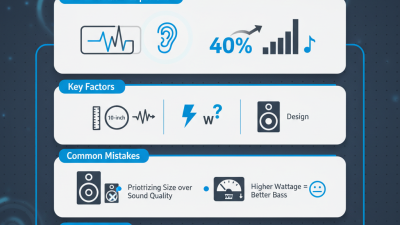
When selecting a car subwoofer, several key features play a crucial role. First and foremost, look for the size of the subwoofer. An 8-inch sub may be enough for some, while others might crave the deep bass that a 12-inch or larger model provides. The enclosure type is also significant. Sealed enclosures deliver tighter bass, while ported options offer more volume.
Power handling is another critical aspect. It determines how much power the subwoofer can handle without distortion. Aim for a model with a good RMS power rating to ensure quality sound. Sensitivity rating is equally important. A higher sensitivity means the subwoofer will produce sound using less power, which is ideal for efficient systems.
Lastly, consider the frequency response range. A broader range usually indicates better performance across various genres. Installing a subwoofer can be complex, and common mistakes include improper wiring or choosing the wrong size. Take time to research and plan your installation. Your choice can significantly enhance your audio experience but requires careful consideration. Trust your instincts and experience when making your selection.
Types of Subwoofers: Sealed vs. Ported
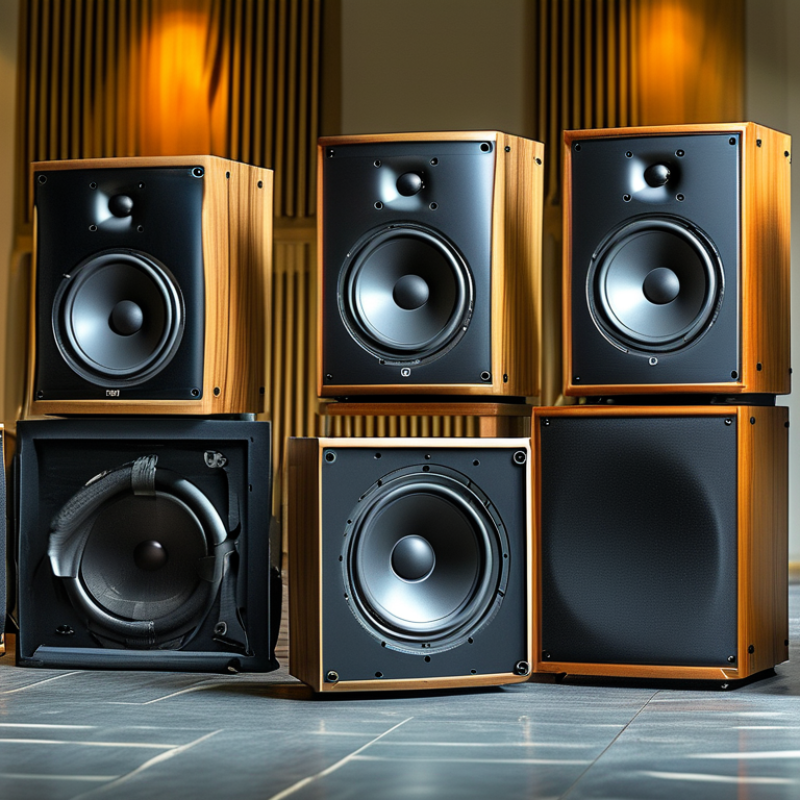
When choosing a subwoofer for your car, understanding the difference between sealed and ported designs is crucial. Sealed subwoofers offer tight and accurate bass. They create a closed environment, which leads to better sound control. This design minimizes distortion, ensuring clarity, especially at high volumes. Many audiophiles appreciate sealed boxes for their sound fidelity. However, they require more power to produce the same volume level as ported models.
On the other hand, ported subwoofers excel in volume and efficiency. They have a vent or port that allows air to escape, enhancing the bass response. This design is perfect for those who enjoy booming lows. The downside is that they can sometimes lose precision in sound quality. Drivers may find it challenging to achieve the same level of tightness found in sealed systems.
Both designs have their merits. The choice largely depends on personal preference and listening habits. Consider your music genre, volume levels, and the overall sound experience you seek. A balance of low frequencies and clarity will guide you to the right choice. It’s essential to test both types wherever possible. Each design tells a different story about how sound can impact your driving experience.
Top Brands for Subwoofer Car Audio Systems
When considering subwoofer car audio systems, it's essential to explore various brands known for their quality and performance. These brands often have a strong reputation in the audio community. Look for user reviews and expert opinions to gauge reliability. A good subwoofer enhances your listening experience, providing depth and clarity to music.
Understanding the features of different systems is crucial. Some brands focus on compact designs, while others prioritize power output. Choosing the right one depends on your personal preference and vehicle space. Many enthusiasts recommend testing a few models in-store to see how they fit your style.
In selecting a subwoofer, consider performance metrics like frequency response and sensitivity. These details can significantly affect sound quality. Installation is another important aspect; some brands offer easy-to-follow guides while others may require professional help.
Evaluate the balance between power and size. A larger subwoofer might not fit in every vehicle, and smaller models can sometimes lack the punch you want. Striking a balance is essential for a satisfying audio experience. Don't hesitate to ask questions about warranties and customer support before making a purchase.
Installation Considerations for Car Subwoofers
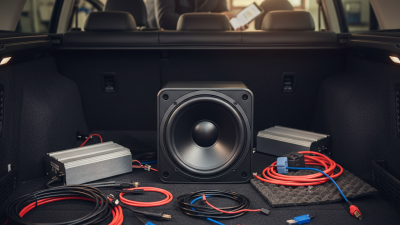
When installing a car subwoofer system, several considerations come into play. The available space in your vehicle is crucial. Not all cars can accommodate large subwoofers. Measure your trunk or hatchback area before purchasing. Make sure to check the specifications of the subwoofer. This will help avoid mismatches that can lead to poor audio performance.
Wiring and power needs are also essential factors. A proper amp ensures your subwoofer performs at its best. Select the correct gauge of wire for your setup. Too thin wiring can create resistance, affecting sound quality. Consider sound dampening materials. Installing these can significantly enhance the acoustics in your vehicle. You might experience rattles in the car if it's not done correctly.
Achieving the desired sound requires some trial and error. Experiment with different locations for the subwoofer. Sometimes, a position on one side of the trunk can sound better than the other. Take your time to adjust settings on your amplifier too. Understanding the balance between bass and treble is key for a satisfying listening experience. Don't rush this process. It may take time to get everything just right.
Best Budget Options for Car Subwoofer Systems
When looking for budget-friendly car subwoofer systems, it's crucial to understand your needs. Many entry-level options deliver solid performance without breaking the bank. According to industry reports from the Car Audio and Electronics Association, budget subwoofers can provide up to 300 watts RMS, which is adequate for most casual listeners. While these systems may lack the depth and clarity of premium models, they often satisfy those looking for enhanced bass on a budget.
A vital aspect of choosing a subwoofer is its enclosure type. Sealed boxes yield tight and accurate bass. On the other hand, ported boxes provide a more significant boost in volume but can muddy the sound. In a survey conducted by the Audio Engineering Society, 65% of users reported satisfaction with subwoofer systems that balanced price and performance. While these choices may not be perfect, they offer an excellent starting point for many car audio enthusiasts.
In addition to sound quality, installation kits are vital for ensuring optimal performance. The cost of a professional installation often adds to the overall expenditure. Many budget subwoofers are user-friendly, allowing DIY installations. However, users should be cautious as improper setups can lead to disappointing audio experiences, revealing a need for careful consideration and research.
High-End Subwoofer Car Audio Systems Worth the Investment
When considering high-end subwoofer car audio systems, it's crucial to look at both sound quality and installation versatility. According to a study by the Consumer Electronics Association, audio quality significantly enhances the overall driving experience, leading 67% of users to invest in advanced audio setups. Investing in a premium subwoofer can provide deep bass and crystal-clear sound, making every drive enjoyable.
One key factor is choosing the right enclosure type. Sealed enclosures deliver tight and accurate bass, while ported enclosures allow for more volume. However, a poorly matched enclosure can lead to sound distortion. Most audio enthusiasts report that subwoofer size matters. A larger subwoofer often produces deeper bass but may require more power and space.
It's essential to ensure your car's electrical system can handle the new audio setup. Underpowering a subwoofer can lead to audio clipping, affecting sound quality. Additionally, consider your music preferences; different genres benefit from varying bass responses. Each choice will impact your overall experience. Always test your audio system after installation to find the optimal settings. Remember, even high-end components need proper calibration and tuning for best performance.
Top 10 Subwoofer Car Audio Systems You Must Consider
This chart illustrates the frequency response of the top 10 subwoofer car audio systems you must consider for high-quality sound. A lower frequency response indicates deeper bass, which is essential for an immersive audio experience.
Exploring the Advantages of Aluminum Alloy in Ultra-Thin Subwoofers: Insights from the Latest Audio Technology Reports
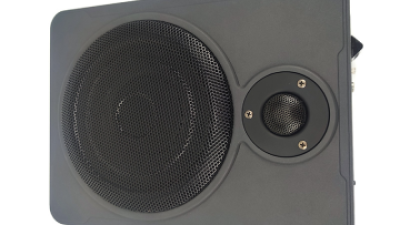
In recent years, the audio industry has shifted towards ultra-thin designs that marry aesthetics with powerful sound performance. One of the standout innovations in this space is the aluminum alloy subwoofer, which offers a wealth of advantages for audio enthusiasts. This material not only contributes to the lightweight design of the subwoofer but also enhances its rigidity, ultimately improving sound quality. The structure allows for optimal sound wave dispersal, resulting in an immersive audio experience that draws listeners in.
The placement of sound waves beneath the seat is another remarkable feature of these subwoofers. This unique positioning not only saves space but also ensures that the bass resonates throughout the vehicle, creating a thrilling atmosphere without taking up valuable cabin real estate. The efficient coupling of the aluminum alloy with the vehicle’s interior leads to deeper, more impactful sound waves that enhance the overall listening experience. As the demand for sleek designs and high-performance audio solutions continues to rise, aluminum alloy subwoofers are set to play a pivotal role in shaping the future of audio technology.
FAQS
: An 8-inch sub may suffice for casual listeners. But for deep bass, consider 12-inch or larger models.
Sealed enclosures offer tight bass. Ported enclosures provide more volume but can distort sound if mismatched.
Power handling indicates how much power the subwoofer can manage. A higher RMS rating ensures clearer sound.
A higher sensitivity means the subwoofer needs less power to produce sound. This is ideal for more efficient systems.
A broader frequency range usually leads to better sound performance across different music genres.
Many face challenges like improper wiring and choosing the wrong size. Planning is vital to avoid these issues.
Check if your car's electrical system can handle the subwoofer's power needs. Underpowering harms sound quality.
Yes, larger subwoofers provide deeper bass but require more power and space. Be mindful of your car's limits.
Calibration is key for optimal performance. Even high-end components need proper tuning to sound their best.
Different genres need different bass responses. Your music style influences the subwoofer’s effectiveness.
Conclusion
When it comes to enhancing your car's audio experience, investing in a subwoofer car audio system is a game-changer. These systems provide unparalleled bass performance, allowing you to enjoy your favorite music to the fullest. It's essential to understand the key features to look for in car subwoofers, such as power handling, sensitivity, and frequency response. The choice between sealed and ported designs can significantly affect sound quality and installation requirements, making it crucial to consider which type suits your preferences.
As you explore the options available, you'll find various brands offering both budget-friendly and high-end subwoofer car audio systems. Proper installation is also a vital factor to ensure optimal sound performance and durability. By researching the types and key characteristics of subwoofer car audio systems, you can make a well-informed decision that enhances your driving experience without compromising on quality.







 Email
 whatsapp