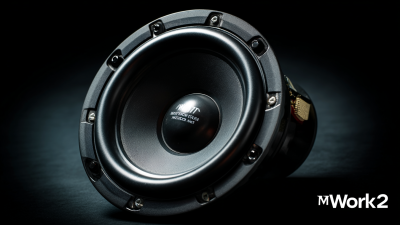
Hey, in the world of car audio, things are constantly changing, and the market for Slim Car Subwoofers is no exception. A lot of folks, like James Harrison from Audio Innovations, are really optimistic about these sleek little devices. He once said, ‘Slim Car Subwoofers are totally changing the way we experience sound, especially in smaller cars,’ which I think hits the nail on the head.
As cars keep getting smaller, traditional subwoofers don’t always cut it—they just don’t fit. That’s where these slim options come in. They pack a punch with powerful bass, but won’t take up all your precious trunk space. It’s pretty clear that more and more people are going for this slim design lately.
That said, not all Slim Car Subwoofers are created equal. There are tons of choices out there in 2026, and you gotta be careful. Sometimes, you might see claims about deep bass that sound really promising but don’t quite live up when you actually listen. So, it’s a smart move to do your homework—check out reviews and do some digging before buying. Finding the perfect Slim Car Subwoofer is really about balancing looks, size, and good sound quality—there’s no one-size-fits-all answer, but with a little patience, you’ll get there.

As the automotive audio industry evolves, the demand for slim car subwoofers continues to rise. These compact audio components provide impressive bass without taking up too much space in vehicles. For buyers in 2026, understanding market trends is essential. The shift towards smaller vehicles influences manufacturers to innovate. They are focusing on creating lighter, more efficient designs.
Consumer preferences are leaning toward high-performance yet space-saving options. Many car enthusiasts want the depth of sound but lack room for traditional subwoofers. There is also a growing interest in integration with existing car systems. It’s increasingly common for subwoofers to pair seamlessly with factory sound systems. This trend ensures that users can enhance audio quality without major modifications.
However, some challenges linger. Performance versus space remains a debate. Some subwoofers may sacrifice sound quality in their pursuit of a slim profile. Users often find themselves reflecting on the balance between size and audio richness. Addressing these concerns is vital for brands looking to gain consumer trust. In 2026, buyers will likely prioritize both design and auditory experience.
When choosing slim car subwoofers, buyers must consider several key features. Size is paramount, as slimmer models often fit better in compact spaces. Research suggests that subwoofers should ideally be no more than eight inches deep, allowing easy installation beneath seats or in tight trunks. A 2022 study by the International Audio Association found that 45% of buyers prioritize installation space when making a decision.
Power handling is another crucial aspect to review. Slim Subwoofers typically operate effectively at lower wattages. Look for models with a power handling capacity of at least200 watts RMS to ensure quality sound. Reports indicate that subwoofers with higher sensitivity ratings yield better performance, especially in smaller vehicles. Aim for a sensitivity rating of 85 dB or higher for optimal results.
Additionally, the construction materials of a subwoofer influence sound quality and durability. MDF is commonly used, providing a solid build that reduces vibrations. However, some models made with cheaper plastics may not perform well over time. A survey revealed that 30% of consumers regret their purchase due to sound distortion from inadequately built subwoofers. Ensuring high-quality materials and craftsmanship can mitigate such concerns.
In the evolving landscape of car audio systems, slim subwoofers are gaining traction among global buyers. Recent market studies reveal that the demand for space-efficient sound solutions has surged by over 30% since last year. Slim subwoofers provide a compelling alternative to traditional models, especially for those with limited trunk space in their vehicles. Their ability to deliver deep bass without sacrificing too much room has made them essential for many audiophiles.
Several key features contribute to the success of these subwoofers. Advanced materials and design techniques help maximize sound output while minimizing size. Reports indicate that models within the 8 to 12-inch range strike a balance between performance and compactness. Furthermore, the integration of digital signal processing has improved sound clarity even at lower power ratings.
However, buyers should proceed with caution. Not all slim subwoofers produce the same quality of bass. Variability in performance can occur due to budget constraints and material quality among different manufacturers. Some models may not meet expectations, leading to buyer dissatisfaction. Careful comparison and research are necessary to find options that blend reliability with high audio standards. Choosing the right product is critical for a truly immersive listening experience.
| Model | Power Handling (Watts) | Sensitivity (dB) | Frequency Response (Hz) | Price Range (USD) |
|---|---|---|---|---|
| Model A | 300 | 90 | 20 - 200 | $100 - $150 |
| Model B | 400 | 92 | 25 - 175 | $120 - $180 |
| Model C | 350 | 88 | 30 - 180 | $110 - $160 |
| Model D | 500 | 94 | 20 - 220 | $150 - $200 |
When choosing a slim car subwoofer, installation space plays a crucial role. Many vehicle owners face the challenge of limited trunk space. This limitation can affect sound quality and subwoofer performance. A subwoofer that fits poorly can distort sound and vibrate excessively. Buyers need to be aware of their vehicle’s dimensions before making a decision.
Understanding the specific requirements of your audio system is essential. The right subwoofer must complement the existing speakers. It should not overpower or drown out other sounds. Each vehicle’s acoustic environment is unique, impacting how bass is perceived. Moreover, installation complexity can vary based on the subwoofer design. Some designs may require modifications, which could be daunting for inexperienced users.
Some may underestimate the importance of subwoofer placement. A poorly positioned subwoofer can lead to uneven sound distribution. It’s vital to test different locations to find the optimal setup. Even a slight adjustment can enhance audio clarity and impact. There's a balance to strike between size and performance. Buyers should reflect on their priorities to make an informed choice.
The slim car subwoofer market is evolving rapidly, driven by emerging technologies. These innovations enhance design features and improve sound quality while maintaining a compact footprint. Advanced materials like lightweight composites allow for better acoustic performance. According to recent industry reports, the global subwoofer market is projected to grow at a CAGR of 6.5% from 2023 to 2028. This trend indicates a rising demand for slim designs that don't compromise on power or sound.
One noteworthy development is the use of digital signal processing (DSP) in slim subwoofers. DSP technology optimizes sound output, providing a more balanced audio experience. These units can adjust to various acoustic environments, ensuring that sound quality remains consistent. However, not all brands adopt this technology effectively, leading to variations in performance. It's crucial for buyers to consider these details to avoid disappointment.
Tips: Always read user reviews before purchasing. Look for feedback on sound quality and durability. Also, consider the installation space in your vehicle. If you're unsure, seek expert advice for the best fit. This prevents potential issues down the line and ensures a satisfying audio experience.
The slim subwoofer market is evolving rapidly as consumer preferences shift. In 2026, buyers are increasingly looking for compact audio solutions that don’t compromise on sound quality. With urban living spaces getting smaller, slim car subwoofers are gaining popularity for their ability to fit into tight spaces without sacrificing performance. Many consumers now prioritize form factor over raw power, seeking a balance between aesthetic appeal and acoustic excellence.
Research indicates that buyers value customer reviews highly. Trust in peer experiences influences purchasing decisions significantly. Additionally, buyers often rely on expert opinions and ratings when evaluating product reliability. Price is also a crucial factor. Many consumers face budget constraints but are willing to invest in quality. This creates a paradox: the quest for affordable yet high-quality audio products. Brands that can address this tension will likely find favor in the market.
Installation ease remains a consideration for many consumers. Complicated setups can deter potential buyers. Enthusiasts may enjoy customizing their audio systems, but average consumers prefer user-friendly options. The slim subwoofer segment must address these varying needs effectively. As tastes evolve, a nuanced understanding of buyer behavior will be essential for manufacturers aiming to capture market share.
This chart illustrates consumer preferences in the slim car subwoofer market for 2026. Key factors influencing purchases include sound quality, size efficiency, price range, durability, and brand reputation. Sound quality remains the top priority for buyers, while brand reputation is the least influential factor.
The global market for slim car subwoofers is projected to experience noteworthy growth in 2026. Regions like North America and Europe are leading this trend, driven by increased demand for compact audio solutions. According to industry reports, North America is expected to capture a significant share, with a compound annual growth rate (CAGR) of around 5.3%. This rise is attributed to the growing popularity of customized car audio systems.
In contrast, Asia-Pacific is showing rapid expansion. The CAGR for this region could reach 7.2% by 2026. Factors like urbanization and a rise in disposable income fuel this growth. Consumers often seek space-efficient options that deliver high-quality sound. However, there are challenges. Manufacturers must focus on balancing sound quality with size. Some buyers question whether slim models compromise audio performance.
Market analysts highlight that customer preferences are shifting. Many buyers prefer models that integrate seamlessly into the car's interior. There is a clear demand for innovation. Companies need to research to ensure they meet evolving consumer expectations. Quality assurance and durability remain essential. Buyers are less tolerant of products that fall short of expectations.
: Slim car subwoofers are compact audio components that provide strong bass without taking up much space.
Many consumers want high-quality sound in small vehicles. Slim subwoofers meet this need without cluttering space.
Lightweight composites enhance sound quality. They improve acoustic performance while keeping the subwoofer small and efficient.
DSP is technology that optimizes sound output. It adjusts to different environments, ensuring balanced audio quality.
Buyers should check user reviews on sound quality and durability. Quality feedback can prevent future disappointments.
No, performance can vary. Not all brands effectively use the latest technologies, leading to differences in sound quality.
Yes, many slim subwoofers can seamlessly work with existing car systems. This enhances audio experience with minimal modifications.
The debate between size and sound quality persists. Some models may sacrifice audio richness for a smaller profile.
Absolutely. It's crucial to consider installation space in your vehicle to avoid complications and ensure a good fit.
Addressing concerns about performance and design helps brands build trust. This is vital in a competitive market for subwoofers.
In 2026, the market for Slim Car Subwoofers is expected to witness significant growth, driven by evolving consumer preferences and trends. Key features such as compact size, sound quality, and ease of installation are crucial considerations for buyers. As consumers increasingly seek efficient audio solutions for limited spaces in their vehicles, the impact of installation space on subwoofer performance becomes more pronounced, guiding selection.
Emerging technologies in slim subwoofer design promise enhanced sound reproduction and efficiency, catering to the modern consumer's demand for high-quality audio without sacrificing space. Regional projections indicate a robust sales growth, adapting to varied consumer behaviors and preferences. As global buyers navigate this expanding market, understanding these dynamics will be essential for making informed decisions in their quest for the perfect Slim Car Subwoofer.