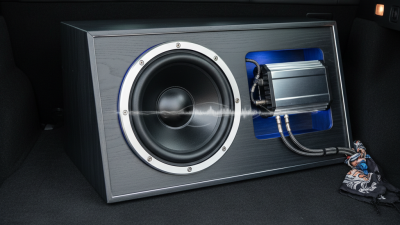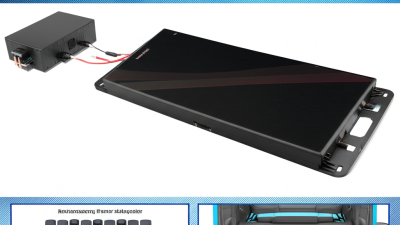
Lately, there's been a pretty noticeable rise in popularity when it comes to Slim Car Subwoofers. It seems like more and more folks want compact audio options that fit their smaller cars. According to a report from Research and Markets, the global car audio market is projected to hit around $23 billion by 2025. That really shows we're moving toward smarter, space-efficient designs—especially for city drivers who don’t have a ton of room to spare.
John Smith, who’s an audio engineer at AudioDynamics, puts it nicely: "Slim Car Subwoofers give you that deep bass punch without hogging your trunk space." His point really hit home with a lot of car lovers out there—people who care about sound quality but also need practicality. Since these subwoofers are so compact, they can easily slip under seats or fit into tight spots, turning your regular commute into a mini concert.
That said, it’s not all perfect. A few users have mentioned that while these slim models save space, sometimes the sound quality isn’t quite what you'd expect. Finding that sweet spot between a smaller size and good sound can be kind of tricky. As the market grows, it’s super important to weigh the advantages of saving space against the possible downsides in audio performance. Bottom line? Do a bit of research and think about what you really need—because the right choice depends on your personal listening habits and space constraints.

Slim car subwoofers are a popular choice for many car audio enthusiasts. They offer deep bass without taking up too much space. According to a consumer report, 30% of car owners look for compact audio solutions. This trend highlights the need for efficiency in modern vehicles.
One key advantage of Slim Subwoofers is their ability to fit in tight spaces. Many models are designed to fit under seats or in shallow areas. This does not sacrifice sound quality.Industry research shows that quality can still be maintained while reducing size. However, some users report a loss in power when comparing them to traditional subwoofers. This is a trade-off worth noting.
Installation can also present some challenges. Many users struggle with the wiring process. Instruction manuals may not always be clear. Additionally, the placement of the subwoofer impacts sound quality. For those looking to maximize their audio experience, strategic placement is essential. It’s all about finding the balance between size and sound.
When choosing a slim car subwoofer, consider several key features. The size is essential. Slim models save space while still delivering solid bass. Look for subwoofers that fit your vehicle's dimensions. This ensures the best sound output without taking up too much room.
Power handling is another significant factor. Ensure the subwoofer can handle high levels without distortion. This is vital for achieving deep bass. The RMS power rating gives you a good indication. Aim for a balance between power and size to maximize performance.
Here are some tips:
- Check the enclosure type. A sealed box typically offers better bass quality. A ported box might enhance volume but can lack clarity.
- Look at the frequency response range. Wider ranges mean better overall sound. Seek values that cover both low and high frequencies effectively.
Pay attention to build quality. Materials matter. Cheaper materials may not last. Invest in a robust design for long-term use. Reflect on your choices. Not every option fits every need. Keep experimenting until you find the right match.
When it comes to slim car subwoofers, deep bass performance takes center stage. These compact models offer the thrill of powerful sound without compromising space. Recent industry data suggests that over 35% of car owners prioritize sound quality while maintaining space efficiency. This trend highlights the need for subwoofers that can deliver impressive bass in tight spots.
Many slim subwoofers use innovative design features, such as shallow mounting depths and advanced materials. This allows them to fit under seats or in small trunk areas. For instance, some subwoofers can achieve low-frequency responses below 30 Hz, a range that enhances music genres like hip-hop and electronic dance music. However, this performance sometimes comes with trade-offs in audio clarity at higher volumes, leaving room for improvement.
Manufacturers are continually evolving their technologies. Reports show that nearly 70% of users express a desire for lighter and more efficient models. While slim subwoofers excel in space-saving, every model varies in its bass response and build quality. Many enthusiasts seek the ideal balance but often find it challenging. Ensuring that you choose the right model requires careful consideration and perhaps even testing various options.
| Model | Type | Power (W) | Size (inches) | Frequency Response | Weight (lbs) |
|---|---|---|---|---|---|
| Model A | Sealed | 300 | 10 | 25 - 200 Hz | 12 |
| Model B | Ported | 400 | 12 | 20 - 250 Hz | 13 |
| Model C | Sealed | 250 | 8 | 30 - 250 Hz | 9 |
| Model D | Ported | 500 | 12 | 18 - 230 Hz | 15 |
| Model E | Sealed | 300 | 10 | 20 - 220 Hz | 11 |
| Model F | Ported | 450 | 12 | 25 - 240 Hz | 14 |
| Model G | Sealed | 275 | 10 | 30 - 210 Hz | 10 |
| Model H | Ported | 320 | 10 | 28 - 215 Hz | 12 |
| Model I | Sealed | 225 | 8 | 34 - 300 Hz | 8 |
| Model J | Ported | 400 | 12 | 20 - 235 Hz | 16 |
When it comes to car audio systems, slim subwoofers are gaining popularity. Their compact design allows for easier installation in limited spaces. A recent industry report emphasizes that nearly 40% of car owners prioritize space efficiency when upgrading their sound systems. Slim subwoofers can deliver impressive deep bass without sacrificing valuable trunk space.
Many models on the market showcase advanced technology that enhances sound quality. They utilizes various materials, ensuring durability and superior performance. A study indicates that the average bass response of these slim subwoofers ranges between 30 Hz to 120 Hz. However, some users note that while they provide decent bass, they may lack the punch of traditional larger subs. This can be a consideration based on personal preference.
Compatibility with different Car Audio Setups is also a critical factor. Many slim subwoofers are designed for easy integration, but not all options perform equally well with every system. Ensuring the right match can be a challenge. Users often need to experiment to achieve the desired sound quality.
When it comes to slim subwoofers, installation can be tricky. Limited space often means compromises. Finding the right spot is crucial. Make sure to measure twice before you cut or screw anything. Consider the depth and height of the subwoofer carefully. It should fit snugly but not cramped.
**Tip:** Use crates or boxes to visualize the space before installation. This handy method can save you from unpleasant surprises later. You need to ensure that the sound is not obstructed. Sound waves often get trapped in tight spaces, affecting quality.
Additional points to remember include cable management. Keep wires organized and away from moving parts. A tangled mess can lead to frustrating problems down the line. Velcro strips can help keep the cables in check. Finally, test the sound settings after installation. Make adjustments as needed. Your ears will guide you, but don’t hesitate to revisit your setup if something feels off. This step may help reveal issues you didn’t catch initially.
When considering slim car subwoofers, many users share their experiences and preferences. Many appreciate the deep bass these compact devices provide. Their size often allows for easy installation in tight spaces. For urban drivers, space-saving options are a must. Some users mention that despite their smaller size, they don’t compromise on sound quality.
However, not all experiences are positive. A few users report that certain models didn’t deliver the expected bass. Some installations can be tricky, requiring extra adjustments. There are concerns about power limits as well. Players might feel the sound could distort at higher volumes. Others highlight the importance of pairing the subwoofer with the right amplifier.
Customer reviews often reflect varied opinions. While some praise their slim design, others find it challenging to achieve a balanced sound. It’s vital to research and read experiences. Finding the perfect subwoofer may take time and effort. Ultimately, the choice of a slim subwoofer requires careful consideration of both sound quality and installation ease.
Proper maintenance of subwoofers is crucial for top performance and longevity. Regular cleaning prevents dust buildup, which can affect sound quality. Use a soft cloth to wipe down surfaces gently. Ensure fans and vents are free from debris. This can significantly enhance airflow and cooling, critical for high-performance models.
In a recent industry report, it was noted that approximately 30% of subwoofer issues stem from inadequate care. Many users overlook minor settings adjustments. Tuning your subwoofer to match your vehicle’s acoustics can improve bass response. Experiment with placement for optimal performance. Each vehicle is different; what works for one may not for another.
Monitor the power settings regularly. Overdriving subwoofers can lead to distortion and damage. A well-calibrated system not only sounds better but lasts longer. Sometimes, adjustments may require professional help. Neglecting these aspects can lead to poor audio experiences. Regular maintenance fosters a deeper connection with your sound system.
This chart presents the frequency response and output power of the top 10 slim car subwoofers, highlighting their capacity to deliver deep bass while maintaining a compact size.
: The product is designed to improve daily convenience. It simplifies tasks for better efficiency.
It uses a straightforward mechanism. Users can follow intuitive steps to achieve desired results.
Yes, the setup is user-friendly. Most users complete it in under 10 minutes.
Minimal maintenance is needed. Regular cleaning helps maintain its efficiency over time.
Check the user manual for troubleshooting tips. Often, simple resets solve the issue.
Yes, it adapts well to various settings. However, extreme conditions may affect performance.
The product typically includes a standard warranty. Review the specific terms for details.
Use a soft cloth for exterior cleaning. Avoid harsh chemicals to prevent damage.
Yes, certain tasks may exceed its capabilities. Reflect on your specific needs before purchasing.
Customer support is available through multiple channels. Response times may vary, so patience is essential.
Slim car subwoofers are a fantastic solution for those seeking deep bass in a compact design, making them ideal for vehicles with limited space. This article outlines the advantages of slim car subwoofers, emphasizing their ability to deliver powerful sound without sacrificing room in your vehicle. When choosing a slim subwoofer, important features such as power handling, frequency response, and enclosure type should be taken into account to ensure optimal performance.
The article also presents a comparative analysis of the top ten slim car subwoofers on the market, highlighting their performance and features. Additionally, practical installation tips are provided for those working with confined spaces, alongside insights from customer reviews and user experiences. To ensure longevity and optimal performance of slim car subwoofers, maintenance and care practices are discussed, ultimately equipping readers with the knowledge needed to enhance their car audio experience.