Finding the right Car Subwoofer can really change the way you experience music while driving. In 2026, honestly, there are so many options out there it can feel a bit overwhelming. Thanks to new tech, lots of brands now offer some pretty awesome choices for deep, rich bass. But here’s the thing—not all subwoofers are made the same. So, picking the right one depends on what matters most to you.
When you’re shopping around, keep in mind things like sound quality, how much power it can handle, and how easy it is to install. Brands like Pioneer and JL Audio have built a solid reputation for performance—they deliver powerful bass that doesn’t turn to mush or distort. Still, it’s really important to think about your personal needs. What works great for one person might not be ideal for someone else.
And here’s a little twist—having super-deep bass isn’t always the best choice. Some folks might prefer a more balanced sound, and that’s totally okay. The key is to know what you really want from your system. Make sure the subwoofer you pick will actually boost your listening experience and fit nicely in your car. This guide should help you check out the top options for 2026, so you can make an informed decision and really upgrade your car’s audio setup.
Understanding Deep Bass: The Science Behind Car Subwoofers in 2026
Understanding deep bass requires a grasp of sound physics and the anatomy of car subwoofers. Deep bass refers to low-frequency sounds that typically fall below 80 Hz. This range is crucial for music genres like hip-hop and electronic dance. Research shows that listeners perceive bass frequencies more intensely, creating an immersive auditory experience. In 2026, advancements in subwoofer technology enhance sound quality, making deep bass more profound.
The design of a subwoofer greatly influences bass performance. Larger enclosures generally produce more profound lows, while smaller ones offer faster responses. Studies indicate that subwoofers with higher wattage and the right cone diameter can efficiently reproduce low frequencies. Many enthusiasts prioritize a subwoofer’s sensitivity rating. A rating of 85 dB or higher generally delivers a strong output without excessive power consumption. Despite these technical specifics, achieving perfect bass can be challenging. Room acoustics and vehicle design play roles that often introduce distortion. Selecting the right subwoofer demands a thoughtful approach, incorporating both technical data and personal listening preferences.
Key Features to Look for in Car Subwoofers for Optimal Performance
When choosing car subwoofers for deep bass, several key features are essential for optimal performance. Firstly, consider the cone material. A durable material, like polypropylene, can withstand high pressures and vibrations. This choice enhances sound quality and ensures longevity. Additionally, a larger cone diameter typically results in deeper and richer bass. A 12-inch cone can produce better low frequencies compared to smaller options.
Next, look at the power handling capabilities. A subwoofer should have a good RMS rating, which indicates how much power it can handle continuously. This rating is crucial for those who love bass-heavy music. Make sure the subwoofer’s power requirements match your car’s amp for optimal performance.
Also, consider enclosure types. A sealed box offers tight, accurate bass. A ported box delivers more volume but can sometimes sacrifice clarity. Choose the type that meets your listening preferences. Lastly, check for built-in protection circuits to prevent damage from overheating or overloading. While many subwoofers have these features, it’s essential to verify as they contribute to their reliability and performance longevity.
Top Brands Dominating the Car Subwoofer Market in 2026
The car subwoofer market in 2026 is witnessing fierce competition among top brands. Audiophiles and casual listeners alike seek powerful, deep bass. Understanding the brands leading this industry is essential. Each company is focusing on innovation, quality, and consumer preferences.
One major trend is the integration of advanced materials in subwoofer design. These materials enhance durability and sound clarity. Brands are also emphasizing user-friendly installation. This allows more people to enjoy a premium audio experience without extensive knowledge.
**Tips:** When choosing a subwoofer, consider the power output and size. The right fit is crucial for achieving optimal sound. Additionally, pay attention to the frequency response specifications. This can significantly impact the overall bass performance.
Another vital factor is customer support and warranty. A reliable brand stands behind its products. This gives buyers confidence in their investment. Researching customer reviews can reveal insights on performance and longevity.
Top 10 Car Subwoofers for Deep Bass in 2026
In 2026, the car subwoofer market sees significant advancements in deep bass technology. The above chart illustrates the bass output levels (in dB) of the top 10 car subwoofers, showcasing their performance in producing deep, powerful bass that enhances the audio experience in vehicles.
Comparative Analysis: Sealed vs. Ported Subwoofers for Bass Output
When considering subwoofers for deep bass, the choice between sealed and ported designs is crucial. Sealed subwoofers are known for their tight and accurate bass output. They often provide better sound clarity due to their design that minimizes distortion. Industry studies show that sealed enclosures typically achieve a frequency response of around 20 Hz to 200 Hz, which is impressive for car audio systems.
On the other hand, ported subwoofers excel in producing louder bass, thanks to their vented design. These enclosures can enhance sound pressure levels, making them ideal for listeners who enjoy more impactful bass. Research indicates that ported systems can be 3 to 5 dB louder at corresponding frequencies when compared to sealed models. However, this increased volume can come at the cost of precision.
Reflecting on these differences, one might wonder which design best suits their needs. The sealed subwoofer may appeal to audiophiles seeking balance, while the ported variety might draw in those craving thunderous bass. Ultimately, the choice may lead to a compromise between depth and impact. The decision warrants careful consideration of the intended listening experience.
Impact of Power Ratings (RMS and Peak) on Subwoofer Performance
When choosing subwoofers, understanding power ratings is essential. RMS (Root Mean Square) and peak power ratings significantly impact performance. RMS indicates continuous power handling, while peak power shows the maximum burst the subwoofer can handle. A higher RMS means the subwoofer can produce deeper, consistent bass. Conversely, peak power affects transient response. For deep bass, both ratings matter.
Tips: Check the RMS rating more than peak rating. This will give you a clearer picture of performance. Look for subwoofers that handle your desired music genre well.
Make sure to match your amplifier's power to the subwoofer's ratings. An underPowered Subwoofer may struggle, resulting in distortion. An overpowered one can lead to damage. Proper pairing ensures longevity and quality sound.
Remember, the enclosure type also influences sound. Sealed boxes offer tighter bass, while ported boxes allow lower frequencies. Experimenting with different options can yield unexpected results.
User Reviews and Ratings: What Consumers Are Saying About 2026 Models
Car audio enthusiasts are passionate about deep bass. In 2026, consumer reviews highlight various subwoofers that stand out. Many users praise some models for their powerful performance. They enjoy rich sound and clarity. However, some critiques emerge regarding installation complexity. A few users found the setup challenging.
Comments reveal a mix of satisfaction and frustration. Some users feel they need more guidance during installation. Others mention the quality of bass, noting it varies by vehicle type. A compact car may not deliver the same results as a larger SUV. The compatibility with amplifiers shows mixed results, too.
Certain subwoofers integrate seamlessly, yet others require tweaking. Reviewers appreciate durability and build quality as key factors. They expect a long-lasting investment. Responsive customer service and warranty options also rank high on their lists. Some users suggest deeper research before purchasing.
This helps avoid incompatible setups. Overall, these insights point towards a growing need for clarity in the car subwoofer market of 2026.
Installation Tips for Maximizing Bass Quality in Your Vehicle
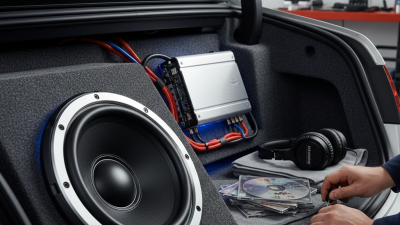
When installing a subwoofer in your vehicle, placement is crucial. The location can significantly impact sound quality. Most experts recommend placing the subwoofer in the trunk, preferably close to the rear seats. This creates a sealed environment, enhancing bass response. Make sure the subwoofer faces the rear of the vehicle for deeper, more resonant lows.
Proper wiring matters too. Use high-quality cables to minimize interference. Stranded wire is more flexible but can be bulkier. Choose the right gauge for your amplifier. Generally, 8-gauge wire is a safe choice but consider your subwoofer's power. If you're unsure, consult a professional for advice.
Finally, tuning the audio system is essential. Adjust your amplifier settings carefully. Excessive gains can distort sound. A well-balanced setup will provide clean and powerful bass without overwhelming other frequencies. Test different genres of music to find a perfect setting. Be prepared for some trial and error. Quality sound doesn't come easy.
FAQS
: Deep bass refers to low-frequency sounds under 80 Hz. It enhances genres like hip-hop and electronic dance.
Larger enclosures produce deeper lows, while smaller ones offer quicker responses. Both sizes have unique advantages.
A sensitivity rating of 85 dB or higher indicates strong output with less power. It’s a key factor in performance.
Sealed subwoofers provide accurate bass, while ported designs offer louder, impactful sound. Choose based on your listening preferences.
Yes, room acoustics and vehicle design can introduce distortion, impacting overall bass experience. This often complicates perfect sound.
Yes, sealed designs minimize distortion and typically achieve a frequency response of 20 Hz to 200 Hz. They are dependable for clarity.
Yes, ported subwoofers can be louder but may sacrifice precision for volume. This trade-off is important to consider.
Achieving perfect bass is often challenging due to various factors, including acoustics and design. It requires thoughtful selection.
Selecting a subwoofer involves considering technical specifications and your personal listening preferences. It’s a subjective decision.
It’s easy to overlook the importance of room acoustics and vehicle design. They greatly influence sound quality.
Conclusion
In 2026, the pursuit of deep bass in car audio systems has led enthusiasts to explore various aspects of car subwoofers. Understanding the science behind these subwoofers is crucial, as it illuminates the mechanics of sound production and enhances listening experiences. Key features such as driver size, frequency response, and enclosure type play essential roles in determining optimal performance.
A comparative analysis between sealed and ported subwoofers reveals distinct differences in bass output, catering to diverse preferences among users. Additionally, power ratings, including RMS and peak values, significantly impact the overall performance of car subwoofers. Consumer feedback and ratings provide valuable insights into the latest models, allowing potential buyers to make informed decisions. Lastly, installation tips are vital for maximizing bass quality, ensuring that every driver can enjoy a rich and immersive audio experience in their vehicle.






 Email
 whatsapp

