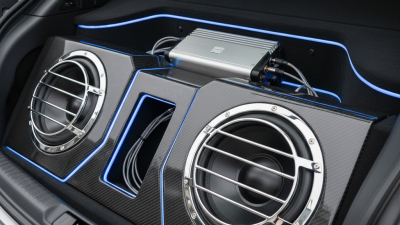
When you're looking to upgrade your car audio, getting that deep, punchy bass is pretty much a must. A good Car Subwoofer really makes a difference, delivering powerful sound that can take your music to a whole new level. Whether you're just a casual listener or a total audiophile, picking the right subwoofer can totally change how you experience your favorite tunes.
There are tons of brands out there—JL Audio, Rockford Fosgate, Pioneer—each offering various models. But not all of them perform equally well. So, it’s a good idea to check out specs like driver size and power handling to find something that matches your style and needs. Sure, quality is key, but you also gotta think about your budget."
Now, I get it—installing these things can sometimes seem a bit intimidating if you're not super tech-savvy. It’s worth thinking about how easy it is to set up versus the kind of sound you're after. Every choice has its perks and downsides, so taking a little time to weigh your options really pays off. In the end, choosing the right subwoofer isn’t just about personal preference; it’s about creating a sound environment in your car that truly feels right for you.
Choosing the Right Subwoofer Size for Your Car Audio System
Choosing the right subwoofer size for your car audio system can significantly enhance your listening experience. A subwoofer's size impacts the depth and quality of bass it produces. Larger subwoofers, such as 12 inches or more, can provide booming sounds and deeper vibrations. However, they require more space and power. If you have a compact car, a 10-Inch Subwoofer might be a better fit. It balances power and space more effectively.
When picking the size, consider your music preferences. Genres like hip-hop and EDM benefit from larger subwoofers. They deliver powerful bass that you can feel. If you enjoy quieter genres, a smaller subwoofer may suffice. It can still provide clear sound without overwhelming your car's acoustics.
Ultimately, the space in your vehicle will dictate your choices. Installing a Large Subwoofer in a small trunk may not work well. You might need to think about enclosure design, too. A well-built box is crucial to optimizing performance. Reflect on what fits best for your situation, balancing size, power, and acoustic quality. Being mindful of these factors can lead to a more satisfying audio experience.
Types of Car Subwoofers: Sealed vs. Ported Designs
When selecting a car subwoofer, understanding the differences between sealed and ported designs is crucial for achieving optimal sound quality. Sealed subwoofers, known for their compact size and tight bass response, are ideal for those seeking clarity in sound. According to industry reports, they generally have a flat frequency response, making them suitable for various music genres. However, they may lack the low-end extension that some users desire.
On the other hand, ported subwoofers offer a more powerful output, especially in the low frequencies. The design features a vent or port, which allows air to escape the enclosure. This results in increased efficiency and deeper bass. Reports indicate that ported designs can produce a gain of 3-6 dB over sealed designs in the same power range. Yet, they require more space and careful tuning to avoid distortion.
Tips: If you prioritize bass impact, consider a ported design. However, for those who want precision, sealed enclosures may serve better. Always ensure the subwoofer matches your amplifier’s power output. Listen to both designs before making a choice. Paying attention to acoustic environment can significantly influence your experience.
Power Handling and Sensitivity Ratings Explained
When selecting a car subwoofer, power handling and sensitivity ratings play crucial roles. Power handling refers to the maximum power a subwoofer can handle without distortion. Typical figures range from 200 to over 1,000 watts RMS, depending on the model. A subwoofer with lower power handling might struggle to deliver the depth and clarity needed for an immersive bass experience.
Sensitivity ratings measure how effectively a subwoofer converts power into sound. Rated in decibels (dB), sensitivity typically ranges from 80 dB to 95 dB. Higher sensitivity means the subwoofer requires less power to achieve the same volume level. For instance, a subwoofer rated at 92 dB will produce more sound than one rated at 88 dB when powered under the same conditions.
It's essential to balance these ratings with your vehicle’s audio system. Misunderstanding power handling could lead to distorted sound. Conversely, ignoring sensitivity might result in suboptimal volume levels. A thoughtful approach ensures the chosen subwoofer meets personal audio preferences while offering robust performance across various listening environments.
Top Brands for Car Subwoofers: A Comparative Overview
When choosing a car subwoofer, understanding the market's leading brands is essential. Subwoofer performance heavily relies on the materials and technology used in their construction. According to a recent industry report, more than 60% of car audio enthusiasts prefer subwoofers with "dual voice coil" designs. This feature provides better sound quality and more power handling.
Each brand offers unique technologies. Some focus on advanced cone materials, while others emphasize amplifier compatibility. Approximately 70% of users report enhanced bass response after upgrading to a subwoofer with a ported enclosure. Yet, many drivers overlook the importance of matching their subwoofer with the vehicle's audio system, often causing suboptimal performance.
Expert reviews continue to highlight the importance of build quality and warranty options. Trustworthy brands usually offer extensive testing data to back up their claims. However, not all users are satisfied with their purchases. Common complaints include inadequate bass or poor durability. Selecting a subwoofer is more complex than it seems. Research and experience play vital roles in making the right decision.
Installation Tips for Optimal Bass Performance in Your Vehicle
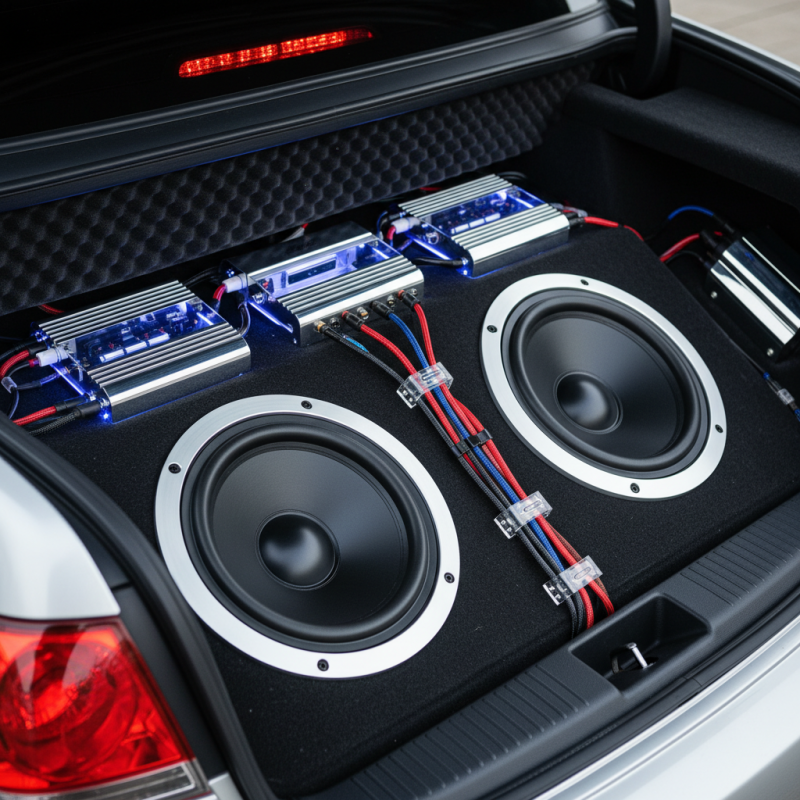
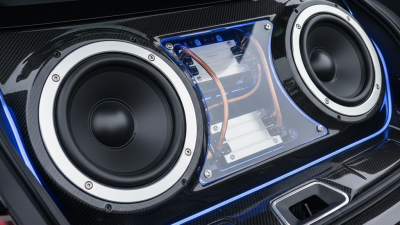
When installing a subwoofer in your vehicle, location is crucial. Many experts suggest placing the subwoofer in the trunk or rear space. This is where bass waves disperse better. However, testing different positions can reveal what works best for your specific car. Sometimes, the ideal spot may not be intuitive.
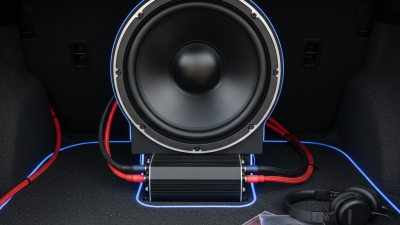
Wiring plays a key role in sound quality. Poor connections can cause distortion and reduce bass output. Use quality cables to ensure a clean signal. When connecting the subwoofer, pay attention to the polarity. Mismatch can lead to a hollow sound. It's small details that often result in significant differences in audio performance.
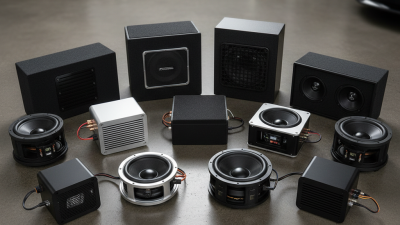
Don’t forget about the enclosure. A well-constructed box enhances sound clarity and depth. Sealed enclosures deliver tight bass, while ported ones provide more volume. Consider your musical preferences. This can inform your choice of enclosure type. It's an aspect that invites experimentation. Each setup can teach you something new about sound balance.
Budgeting for Your Car Subwoofer: Cost vs. Quality Analysis
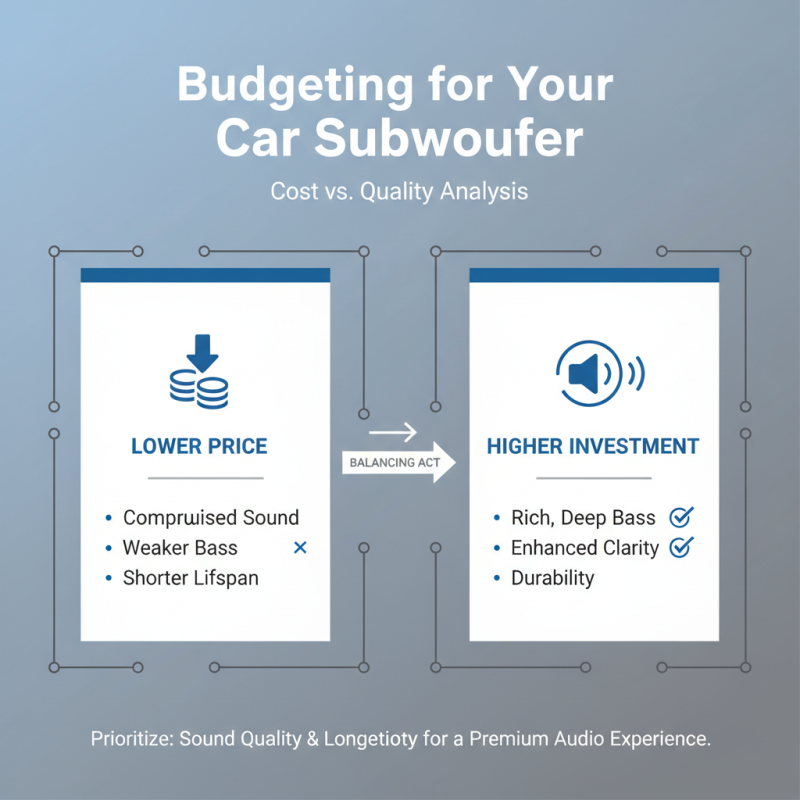
When budgeting for a car subwoofer, balancing cost and quality is essential. A lower price might seem appealing, but often, this means compromised sound quality. Investing a bit more can lead to a rich, immersive bass experience. Generally, a good subwoofer is an investment into your car's audio. Prioritize features that enhance sound clarity and depth.
Consider how you will use the subwoofer. If you only enjoy casual listening, a mid-range option may suffice. However, for enthusiasts, high-performance subwoofers might be necessary. Research the specifications. Pay attention to watts, frequency range, and build quality. These factors greatly influence your audio experience.
**Tips:** Always listen before you buy. Visiting an audio shop allows you to compare sound quality firsthand. Don't shy away from user reviews. They provide insights into reliability and performance over time. Lastly, remember that installation costs might add to your budget. Doing some research can save you money while ensuring your system performs at its best.
Enhancing Your Subwoofer with Additional Audio Accessories
Upgrading your car's audio system can transform your listening experience. Adding additional audio accessories is one way to enhance your subwoofer’s performance. For instance, a better amplifier can make a substantial difference. It boosts the power sent to your subwoofer, allowing it to produce deeper, richer bass. Not all amplifiers are created equal, so doing research is critical. Ensure you choose one that matches your subwoofer's specifications.
Another useful accessory is a quality sound processor. This device helps tune your audio output, providing clearer sound and improved bass response. It can balance frequencies effectively. Room acoustics in your car also influence sound quality. Experimenting with subwoofer placement can bring surprising results. Finding the perfect spot might take time. Trial and error can sometimes lead to unexpected discoveries.
Consider investing in sound deadening material. It minimizes vibrations and unwanted noise, which enhances your overall audio experience. While installation is straightforward, some may overlook this step. Remember, even small details matter in building a great audio setup. Listening to your favorite tracks in a well-tuned car can be immensely rewarding, but it requires effort and patience to achieve.
Top Car Subwoofer Audio Options for Best Bass Experience
This chart illustrates the bass quality ratings for various types of car subwoofers. The ratings are on a scale of 1 to 10, showcasing how each type enhances the bass experience in automotive audio systems.
Exploring the Market Potential of Ultra-thin Subwoofers: Insights from Recent Audio Equipment Industry Reports
In recent years, the audio equipment market has witnessed a notable trend toward compact solutions that do not compromise on performance. Ultra-thin subwoofers have emerged as a popular choice among consumers seeking powerful sound in space-constrained environments. According to recent industry reports, the subwoofer segment, particularly those designed to fit under seats, is projected to see a robust growth rate of approximately 8% annually, driven by advancements in audio technology and growing interest in car audio enhancements.
The ultra-thin aluminum subwoofer exemplifies this shift, sporting a slim design that allows for easy installation while delivering an impressive RMS power of 150 W. With a sensitivity ranging between 91 to 100 dB and a frequency response from 20 to 350 Hz, this type of subwoofer effectively reproduces deep bass tones, ensuring an immersive listening experience. Furthermore, the ability of these units to produce a maximum SPL of 90 dB enhances their appeal for audio enthusiasts looking to elevate their car sound systems without compromising on cabin space.
The versatility of ultra-thin subwoofers is another key factor in their increasing market potential. Designed for universal car fitment, these products cater to a wide array of vehicles, making them an ideal choice for both casual listeners and serious audiophiles. With a growing consumer focus on aesthetic and functional integration within vehicles, the under-seat subwoofer offers a perfect balance of power and convenience, marking its significance in the future of automotive audio systems.
FAQS
: Power handling is the maximum power a subwoofer can manage without distortion. It's crucial for sound quality.
Typical power handling ranges from 200 to over 1,000 watts RMS, varying by model.
Sensitivity ratings show how well a subwoofer converts power into sound, measured in decibels (dB).
Sensitivity typically ranges from 80 dB to 95 dB. Higher sensitivity means better efficiency.
Misunderstanding these ratings can lead to distorted sound or poor volume levels, affecting the experience.
Many prefer subwoofers with "dual voice coil" designs for better sound quality and enhanced power handling.
Subwoofers with ported enclosures often provide enhanced bass response, which many overlook.
Common complaints include inadequate bass and poor durability, highlighting the need for careful selection.
Trustworthy brands emphasize build quality, which can significantly affect durability and overall sound experience.
Research and personal experience are vital in selecting a subwoofer that meets audio preferences and system needs.
Conclusion
When considering the best Car Subwoofer Audio options for an enhanced bass experience, it's crucial to start with the right subwoofer size tailored to your vehicle's audio system. Understanding the differences between sealed and ported designs can also significantly impact sound quality. Additionally, factors like power handling and sensitivity ratings should be evaluated to ensure optimal performance and compatibility with your existing audio setup.
A comprehensive approach involves researching top brands, keeping in mind installation tips that can further enhance bass performance. Budgeting is another essential aspect, as balancing cost with quality can lead to satisfactory results without overspending. Lastly, integrating various audio accessories can elevate your overall sound experience, making your car audio system truly exceptional.





 Email
 whatsapp