Leave Your Message
0%

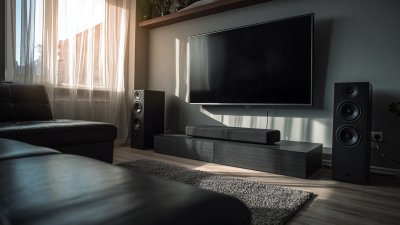
China’s top 10 Slim Subwoofer manufacturers for global buyers are worth a closer look—especially now that compact audio is getting more practical. In city apartments, hotel rooms, or car-style setups, you often don’t have much cabinet depth to play with. Sure, a big enclosure can give you deeper bass, but it can also take over the whole room. A well-designed slim subwoofer, on the other hand, can slide under a sofa, sit next to a media console, or hide inside a custom wall.

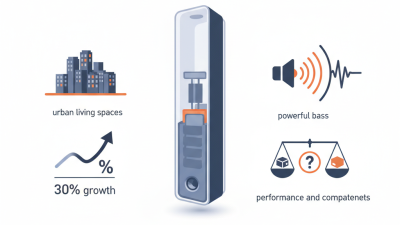
Industry data backs this up. Grand View Research’s 2024 loudspeaker market analysis points to continued demand for space-efficient audio systems through 2030. Fortune Business Insights also notes steady growth in the global subwoofer market, fueled by home entertainment, automotive audio, and commercial installs. That said, these reports don’t break out every slim model—and that gap matters.

This guide looks at ten China-based manufacturers using practical buyer criteria: enclosure depth, driver design, amplifier power, low-frequency extension, distortion control, production scale, export experience, certifications, warranty terms, and technical support. Reputation alone won’t cut it. A slim cabinet can look great and still sound weak if its internal volume, port design, or power supply isn’t balanced properly.

Floyd Toole, a leading loudspeaker researcher, once said, “The most important thing about a loudspeaker is how it sounds.” That still applies. Buyers should ask for frequency-response graphs, sensitivity data, impedance details, and real listening samples. Product pages can be incomplete—and sometimes way too optimistic. Independent testing is still the better route.

The manufacturers below cover different budgets and installation needs. Some are all about high-volume OEM production. Others lean into customized designs, wireless integration, or premium drivers. This comparison is meant to help global buyers make a smarter decision, not just chase the lowest quote.
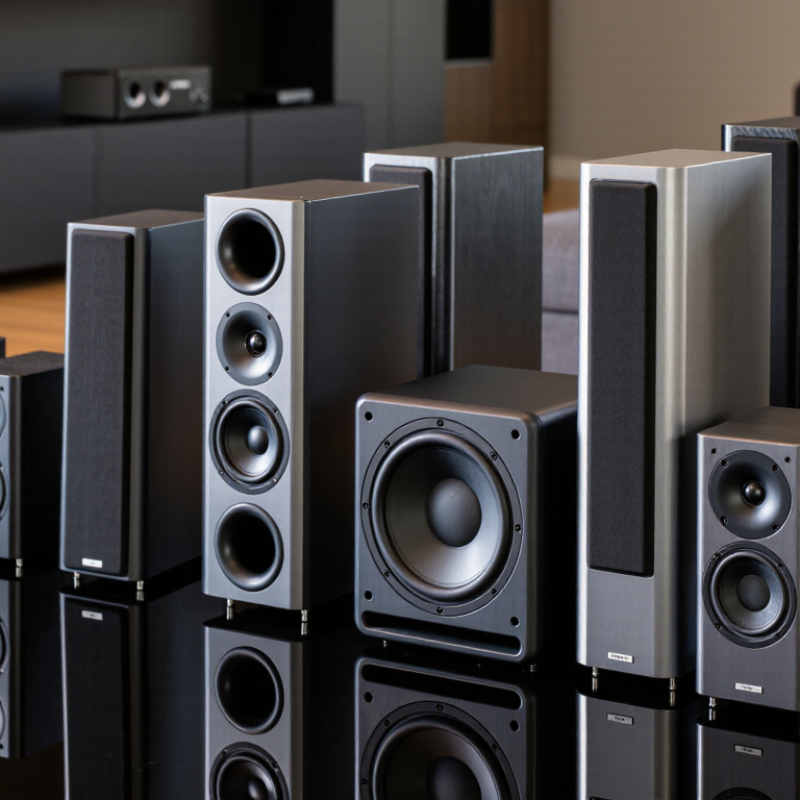
China Top 10 Slim Subwoofer Manufacturers for Global Buyers

What Makes China a Leading Source of Slim Subwoofers

China has become a leading source of slim subwoofers because its manufacturing ecosystem connects design, tooling, electronics, and assembly. A buyer can often move from a 3D enclosure drawing to a working prototype within weeks. Factories commonly support low-profile cabinets, compact amplifiers, shallow drivers, and custom mounting points. That flexibility matters in soundbars, vehicles, hospitality rooms, and space-limited residential systems. It is practical, not magical.

In supplier evaluations, experienced buyers should inspect driver excursion, cabinet vibration, thermal protection, and measured frequency response. Chinese manufacturers often provide an integrated engineering chain, including CNC or molded parts, PCB assembly, acoustic tuning, and aging tests. Some facilities use anechoic or semi-anechoic measurements, while others rely too heavily on software predictions. That difference deserves attention. Requesting test samples at several volume levels can reveal rattles, port noise, and heat buildup that specifications miss. Production scale also helps control magnet, amplifier, and enclosure costs, although savings can weaken when quality controls are vague.

Reliable cooperation depends on documented tolerances, component traceability, inspection records, and clear warranty procedures. Buyers should verify certifications for the destination market rather than trusting a copied compliance file. Communication is another advantage when technical teams can revise drawings quickly and share production photos. Still, not every supplier has equal acoustic expertise. A polished sample may hide inconsistent assembly. Independent pre-shipment inspection remains sensible, especially for first orders._久久爱

China Slim Subwoofer Manufacturing Benchmarks for Global Buyers

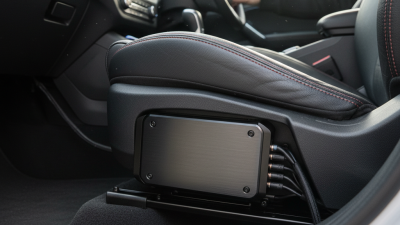
Slim subwoofers are commonly designed for limited-space applications such as under-seat, in-wall, marine and compact home-audio installations. The benchmark below compares typical specification ranges frequently requested in OEM and ODM projects sourced from China.

Lower enclosure depth supports space-saving installation, while higher RMS power and wider frequency response provide greater flexibility for global product positioning. Final specifications vary by driver size, enclosure design, amplifier configuration and target application.

How the Top 10 Chinese Slim Subwoofer Manufacturers Were Selected

Selecting China’s top slim subwoofer manufacturers requires more than comparing catalog prices. We examined production history, engineering depth, and experience with space-limited audio systems. Factory visits, technical interviews, and sample evaluations helped verify whether published specifications matched physical products.

Acoustic performance carried significant weight. We checked enclosure depth, driver excursion, low-frequency response, distortion, thermal handling, and vibration control. Test units were measured in controlled rooms, then reviewed in practical settings such as vehicles, apartments, and compact entertainment spaces. We also considered amplifier matching, connector quality, ventilation, and long-term stability.

Reliable suppliers showed clear quality procedures, traceable materials, and consistent assembly results. Export experience mattered, especially for packaging protection, documentation, and after-sales communication. Buyer feedback was reviewed carefully, but not accepted without questioning its source. No list is flawless. Testing conditions differ, and some manufacturers provide limited measurement data. That weakness was recorded rather than ignored. The final selection balanced verified performance, customization ability, production capacity, compliance awareness, and transparent communication. A lower price alone could not compensate for unclear specifications or unstable quality.

Profiles of China’s Top 10 Slim Subwoofer Manufacturers

China Top 10 Slim Subwoofer Manufacturers for Global Buyers

China’s top ten slim subwoofer manufacturers serve different purchasing needs. Their profiles typically fall into four groups: automotive suppliers, home-theater OEMs, commercial-audio specialists, and compact Bluetooth-audio producers. Most operate in Guangdong, Jiangsu, or Zhejiang, where enclosure machining, amplifier assembly, and export logistics are concentrated.

MarketsandMarkets’ 2024 loudspeaker report estimates the global market will grow from roughly US$8 billion in 2024 to more than US$11 billion by 2029. This growth supports demand for shallow cabinets and space-saving bass systems. The strongest manufacturers usually offer 6.5-inch to 10-inch drivers, Class-D amplification, and enclosure depths below 120 millimeters. Some provide sealed models for controlled bass. Others use passive radiators for louder output in small rooms.

Look closely at the ten profiles. One group emphasizes automotive integration, including low-profile under-seat designs and vibration-resistant terminals. Another focuses on home cinema, with wireless pairing, remote calibration, and matte-finish cabinets. Commercial suppliers often prioritize continuous power, thermal protection, and replaceable components. Export records, ISO-certified production, EMC testing, and sample consistency matter more than attractive catalog images. The IEC 62368-1 safety framework is a useful screening reference, though compliance claims still require document checks. Factory audits reveal uncomfortable details: uneven glue lines, unclear carton testing, or modest real-world bass. Specifications can flatter. Listening tests and impedance measurements should decide.

Key Product Features and Technologies to Compare

China Top 10 Slim Subwoofer Manufacturers for Global Buyers

Key Product Features and Technologies to Compare

A slim subwoofer should deliver controlled bass without consuming valuable floor space. Compare cabinet depth, driver size, and usable frequency response together. A narrow enclosure may fit beneath furniture, yet it can reduce internal volume and low-frequency output. Check measured data, not only promotional figures. In practical installations, a 6.5-inch or 8-inch driver often suits compact rooms, while larger spaces may need more displacement.

Amplifier design deserves close attention. Class-D amplification can reduce heat and cabinet weight, but efficiency figures need testing conditions. Look for continuous RMS power rather than short peak ratings. Built-in DSP may provide adjustable crossover, phase, equalization, and room compensation. These controls help when bass sounds weak near a wall. They do not fix poor cabinet design. Some models use passive radiators instead of front ports, reducing port noise in shallow cabinets. Listen carefully.

Connectivity also affects international purchasing decisions. Compare wired input options, wireless stability, latency, and control methods. Automatic standby can save energy, but an overly sensitive trigger may wake during background noise. Examine power-supply compatibility, plug options, safety documentation, and service support for the destination market. Ask for response curves, distortion measurements, warranty terms, and replacement-part availability. Specifications can still be incomplete. That deserves scrutiny. A useful evaluation includes room size, listening distance, furniture placement, and installation conditions, not just the lowest quoted price.

Manufacturing Quality, Certifications, and Customization Options

Choosing among China’s top 10 slim subwoofer manufacturers requires more than comparing prices. In factory evaluations, I inspect cabinet joints, magnet alignment, terminal strength, and adhesive consistency. A slim enclosure should remain rigid under low-frequency vibration. Loose panels often create buzzing after months of use. Production quality depends on repeatable assembly, not one impressive sample.

Reliable manufacturers maintain documented quality controls for incoming materials, driver assembly, soldering, and final testing. Useful tests include impedance, frequency response, sensitivity, distortion, power handling, and vibration endurance. Ask for recent test records, not only promotional claims. Certifications also need careful checking. Depending on the destination, buyers may require CE, RoHS, FCC, or other market-specific compliance evidence. The certificate should match the exact model and factory, with valid laboratory information.

Customization can cover enclosure depth, grille design, connector placement, cable length, damping material, and digital signal processing. Small changes matter. A two-millimeter depth reduction may affect internal volume and bass performance. Request engineering drawings and a functional prototype before mass production. I have seen attractive samples fail during long-duration testing because the cooling path was too restricted. That weakness deserves honest discussion. A capable supplier should explain limitations, propose measurable improvements, and accept third-party inspection. Clear specifications, traceable batches, and realistic lead times make cooperation safer for global buyers.

China Top 10 Slim Subwoofer Manufacturers for Global Buyers - Manufacturing Quality, Certifications, and Customization Options
Anonymous supplier benchmarking table for global sourcing evaluation. Technical ranges are indicative slim-subwoofer manufacturing capabilities; model-level specifications, certifications, factory audits, and commercial terms should be verified before purchase.
Rank Anonymous Supplier Profile Typical Slim Enclosure Depth Common Driver Configuration Typical Continuous Power Range Manufacturing & Quality Controls Certification Availability Customization Options OEM/ODM Support Export Readiness
1 Manufacturer Profile 01 65–85 mm for compact active models 6.5–8 inch low-profile driver 100–180 W RMS Incoming component inspection, enclosure dimensional checks, polarity testing, frequency-response testing, and end-of-line listening inspection Model-dependent; verify CE, RoHS, and EMC documents Enclosure dimensions, grille design, cable length, connector type, logo placement, and packaging artwork Available for qualifying projects Carton and pallet packaging, commercial invoice, packing list, and standard export documentation
2 Manufacturer Profile 02 70–95 mm for under-seat and wall-mount formats 6.5–8 inch driver with passive-radiator or sealed enclosure options 120–220 W RMS Supplier qualification, material inspection, adhesive-bond checks, amplifier burn-in, and 100% functional testing CE/RoHS support commonly available; confirm certificate scope Driver impedance, amplifier tuning, remote control, housing finish, acoustic damping, and user manual Low-volume sampling and production support Experience with mixed cartons, barcode labels, retail packaging, and international freight coordination
3 Manufacturer Profile 03 75–105 mm for compact home-audio cabinets 8–10 inch shallow driver 150–300 W RMS IQC, IPQC, final inspection, vibration checks, acoustic measurement, and aging tests for powered units Certification packages available by product and destination market Cabinet material, surface texture, DSP presets, crossover frequency, power supply, and control-panel layout Engineering samples and ODM tuning support Product labeling, HS-code support, export cartons, and destination-market documentation assistance
4 Manufacturer Profile 04 80–110 mm for furniture-integrated designs 6.5–8 inch driver with sealed-box construction 100–200 W RMS Wood-panel moisture checks, CNC dimensional inspection, wiring verification, seal testing, and finished-product inspection Ask for current CE, RoHS, EMC, and safety test reports Custom cabinet dimensions, fabric or metal grille, color matching, mounting brackets, and acoustic lining Suitable for private-label programs Protective corner packaging, drop-test options, container loading plans, and export document preparation
5 Manufacturer Profile 05 85–115 mm for high-output slim active subwoofers 8–10 inch long-throw driver 200–400 W RMS Amplifier burn-in, thermal protection checks, distortion testing, bass-extension measurement, and full-load testing Available where required; verify regional compliance for each SKU Amplifier power, DSP equalization, wireless module integration, control interface, cabinet finish, and packaging ODM development available Supports retail-ready packaging, multilingual manuals, serial-number labels, and shipment consolidation
6 Manufacturer Profile 06 90–120 mm for automotive and marine-style applications 6.5–10 inch shallow driver 120–350 W RMS Water-resistance design review, connector inspection, vibration testing, polarity testing, and production sampling plans Confirm applicable EMC, RoHS, and environmental test evidence Input voltage, mounting pattern, enclosure coating, connector system, grille protection, and harness design Project-based customization Can prepare export labels, technical datasheets, installation instructions, and spare-parts lists
7 Manufacturer Profile 07 95–125 mm for premium compact systems 8 inch driver with passive radiator or transmission-line options 180–350 W RMS Component traceability, acoustic chamber measurement, amplifier stress testing, finish inspection, and final audit sampling Request product-specific certificates and laboratory reports Acoustic voicing, DSP presets, cabinet geometry, grille material, connectivity, and premium surface finishes Advanced ODM support subject to engineering review Supports premium packaging, batch traceability, serialized products, and international warranty documentation
8 Manufacturer Profile 08 100–135 mm for compact PA and commercial-audio units 8–10 inch high-excursion driver 250–500 W RMS Power-board inspection, thermal cycling, continuous-load testing, acoustic output checks, and final functionality testing Certification availability depends on amplifier and wireless configuration Input/output panel, DSP control, mounting hardware, cabinet coating, wheels or handles, and logo application OEM and contract manufacturing support Commercial invoices, palletization, replacement-part packaging, and freight-forwarder coordination
9 Manufacturer Profile 09 105–140 mm for modular home-theater products 8–10 inch driver with sealed or ported cabinet options 200–450 W RMS Woodwork inspection, port-tuning verification, impedance testing, frequency-response testing, and finished-product audit Verify CE, RoHS, EMC, and electrical-safety documentation by model Cabinet volume, port dimensions, driver selection, amplifier module, grille style, color, and packaging design Sampling, pilot runs, and mass production available Supports multilingual packaging, retail barcodes, master-carton markings, and container loading instructions
10 Manufacturer Profile 10 110–150 mm for heavy-duty slim subwoofer applications 10–12 inch shallow or custom-frame driver 300–600 W RMS Incoming inspection, driver parameter testing, amplifier burn-in, thermal protection checks, vibration testing, and final quality inspection Obtain current third-party reports before purchase approval Driver parameters, cabinet size, DSP, amplifier rating, mounting structure, exterior finish, and accessories Custom development subject to MOQ and tooling Supports export packaging, spare units, technical files, warranty terms, and shipment documentation
Buyer due-diligence checklist: request a current product datasheet, certification reports matching the exact model, factory audit evidence, sample test results, warranty terms, MOQ, tooling charges, lead time, and pre-shipment inspection procedure.

Pricing, Minimum Orders, and Export Support for Global Buyers

Global buyers usually compare slim subwoofer suppliers by landed cost, not factory price alone. In recent sourcing work, 8-inch models often range from 35 to 80 US dollars per unit. Larger drivers, aluminum housings, and wireless modules can raise prices significantly. Request a sample before discussing volume. It reveals bass response, cabinet vibration, and connector quality.

Typical minimum orders range from 100 to 300 units for standard models. Custom logos or packaging may require 300 to 500 units. Some manufacturers accept smaller trial orders, but the unit price usually increases. Confirm what the quotation includes. Tooling, sample fees, inner cartons, and export packing are sometimes excluded. That detail can change your budget.

Export support matters as much as production capacity. Reliable factories should provide a commercial invoice, packing list, carton dimensions, and applicable test documents. They should also explain EXW, FOB, or CIF pricing clearly. Ask for production photos and a pre-shipment inspection schedule. A practical supplier can label cartons, protect amplifier panels, and coordinate with your freight forwarder. Check the HS code independently, because classification errors may create delays or unexpected charges. Lead times commonly reach 25 to 45 days after deposit approval. Delays happen. Written milestones reduce confusion, although they cannot remove every risk. Payment terms, warranty handling, replacement parts, and response times deserve equal attention.

FAQS

Why is China a major source of slim subwoofers?

Its manufacturing network connects enclosure design, electronics, tooling, and assembly. A working prototype may appear within weeks. That speed is practical, not magical.

What slim subwoofer sizes and designs are commonly available?

Many suppliers offer 6.5-inch to 10-inch drivers. Cabinet depths may stay below 120 millimeters. Options include sealed enclosures and passive-radiator designs.

Which industries use slim subwoofers?

Common applications include vehicles, soundbars, homes, hotels, and commercial audio systems. Under-seat models suit tight spaces. Room space matters.

What should buyers inspect before choosing a supplier?

Check driver excursion, cabinet vibration, thermal protection, and measured frequency response. Listen at several volume levels. Buzzing and port noise can appear quickly.

How can buyers judge manufacturing quality?

Inspect cabinet joints, magnet alignment, terminals, soldering, and adhesive consistency. Loose panels may buzz after months of vibration. One polished sample proves little.

Which test records should suppliers provide?

Request impedance, frequency response, sensitivity, distortion, power handling, and vibration results. Recent records are more useful than catalog promises. Numbers can still flatter.

What certifications may be needed for different markets?

Requirements vary by destination and product design. Buyers may request safety, electromagnetic, and material-compliance evidence. Documents must match the exact model and factory.

What customization options are usually available?

Suppliers may adjust cabinet depth, grille design, connectors, cables, damping, and signal processing. Even two millimeters can change internal volume. Test a functional prototype first.

How can buyers reduce risks during the first order?

Use clear drawings, documented tolerances, traceable batches, and written warranty procedures. Request production photos and independent pre-shipment inspection. It may feel slow. It is usually sensible.

Conclusion

China has become a leading source of slim subwoofers because of its mature electronics supply chain, efficient manufacturing capacity, competitive costs, and ability to support both standard and customized projects. This guide explains how the top 10 Chinese manufacturers were selected, considering product quality, engineering expertise, production capability, export experience, customer service, and reliability. It also introduces the main strengths buyers should evaluate when comparing suppliers of SubWoofer Slim products for home audio, automotive, commercial, and professional applications.

Key comparison points include enclosure design, bass performance, amplifier integration, power efficiency, connectivity, durability, and installation flexibility. Buyers should also review factory quality systems, relevant certifications, testing procedures, customization options, packaging standards, minimum order quantities, pricing structures, lead times, and export support. With careful supplier assessment and clear technical requirements, global buyers can identify dependable manufacturing partners and develop slim subwoofer solutions that balance sound quality, space efficiency, cost, and long-term performance.

Elena

Elena

Elena is a dedicated marketing professional at Foshan Shunde Keshenglang Audio Industry Co., Ltd., renowned for her exceptional expertise in the audio production sector. With a profound understanding of the company’s core offerings, she plays a pivotal role in promoting innovative audio solutions......
Previous 2026 Best Car Speaker Subwoofer for Wholesale Buyers?