When it comes to car audio setups, a Subwoofer Car definitely catches your eye—and for good reason. These custom setups can totally boost your sound experience. I mean, just ask experts like James Sound from SoundWave Innovations. He’s pretty much a pro and has said that a good subwoofer can turn your regular car stereo into something truly immersive. It’s kinda like stepping into a concerts’ front row, right in your own ride.
Subwoofers are all about those deep bass notes—handling the low-frequency sounds that really add that richness to music or movies. Picture this: you're cruising down the highway, bass pounding, and you can actually feel the vibrations through your seat. It’s not just about cranking up the volume; it’s more about clarity and feeling the depth of the sound. Sometimes, that little tweak with the right subwoofer can make a world of difference, especially if your regular speakers just don’t cut it.
Of course, building the perfect Subwoofer Car isn’t all smooth sailing. Mess it up with bad installation or matched the wrong components, and you might end up with distorted sounds—which kinda kills the vibe. You gotta think about space, the power your system needs, and of course, choosing the right size for your sub. Putting together a balanced, killer sound system takes some planning and a lot of trial and error. A lot of folks rush through these steps and end up disappointed. The quest for perfect sound? Well, it’s a journey that takes patience, attention, and a bit of trial-and-error, but honestly, totally worth it when you get it right.
Definition and Functionality of a Car Subwoofer
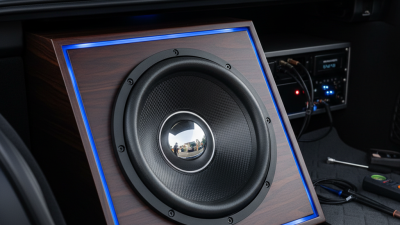
A Car Subwoofer is an essential audio component that enriches sound quality. It enhanceslow-frequency sounds, like bass, producing deep vibrations that regular speakers cannot offer. By using a subwoofer, you can experience your music more fully. The low tones can make a dramatic difference in how music feels. They add depth and richness, creating a more immersive listening experience.
Tip: When choosing a subwoofer, consider the size and its power output. Larger subwoofers often produce more impactful bass. However, they may require more space in your car. Make sure it fits well without sacrificing valuable cargo area.
A subwoofer functions through a process called amplification. It takes a weak audio signal and boosts it. This allows the subwoofer to push air and create sound waves. You might notice that certain frequencies seem to disappear without a subwoofer. Many audio systems struggle with these low frequencies. That is where a dedicated subwoofer excels.
Tip: When setting up your subwoofer, pay attention to placement. The positioning can significantly impact the overall sound quality. Try different spots to find the optimal location. Reflections from the car walls can enhance or distort the sound. Adjusting the settings on your audio system also matters. Balancing the subwoofer’s output can improve your enjoyment.
Types of Car Subwoofers Available in the Market
When considering car audio systems, subwoofers play a crucial role. They enhance the depth and richness of sound. There are several types available on the market, each offering different features and benefits.
Enclosed subwoofers are popular for their powerful bass. They come in a box, which amplifies sound efficiently. Sealed enclosures tend to provide tighter, more accurate bass notes. Ported models, however, produce louder sounds by allowing air to escape. They can sometimes sound boomy, which might not be to everyone’s taste.
Another option is the powered subwoofer. This type includes a built-in amplifier, making installation easier. It’s great for those who want a simple setup. But the downside? Limited tuning options. Lastly, there are under-seat models. They save space but often lack the punchiness of larger units. Finding the right subwoofer depends on your needs and sound preferences. It's a balancing act between size, power, and quality. Consider your options carefully.
Car Subwoofer Types and Their Sound Quality Enhancement
Key Components of a Car Subwoofer System
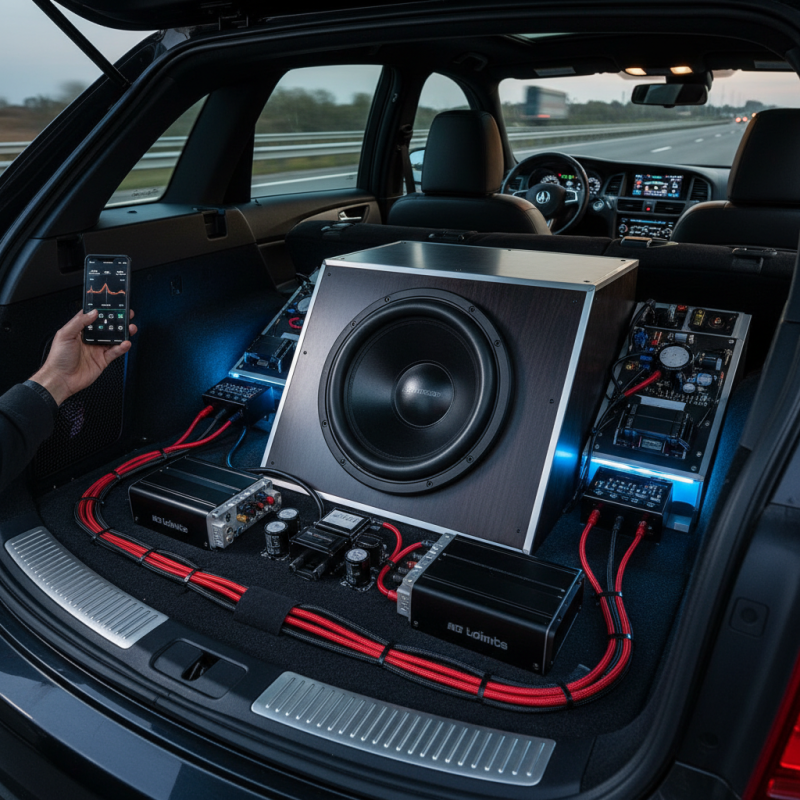
A car subwoofer system primarily consists of three key components: the subwoofer itself, an amplifier, and a suitable enclosure. The subwoofer is responsible for producing low-frequency sounds. It enhances bass notes that standard speakers often struggle to deliver. A well-designed subwoofer adds depth to music, making the listening experience more immersive.
The amplifier plays a crucial role in powering the subwoofer. It boosts the sound signals to ensure robust performance. An underpowered amplifier can lead to distortion. This can detract from the quality of the sound. Matching the amplifier to the subwoofer’s specifications is vital. Even slight mismatches may yield unsatisfactory results.
An appropriate enclosure is equally important for sound quality. The design and materials can affect how sound travels. A sealed box may produce tight bass, while a ported box can enhance the low-end response. It’s essential to evaluate the choices carefully. Many factors can influence performance, and not every combination yields excellent results. Testing different setups can help find the ideal blend for your preferences.
How Subwoofers Enhance Audio Experience in Vehicles
Subwoofers play a crucial role in enhancing the audio experience inside vehicles. They are designed to handle low-frequency sounds, which standard speakers often struggle to produce effectively. According to a report by the Consumer Electronics Association, over 70% of car audio enthusiasts prefer systems that include a subwoofer for richer bass. This preference highlights the importance of low-end frequencies in achieving a more immersive listening environment. A subwoofer adds depth and power to music, making even subtle sounds more noticeable.
Quality sound reproduction can transform any drive. A study revealed that listening to music with a proper subwoofer setup significantly improves satisfaction during commutes. Listeners reported feeling more engaged and connected to tracks they loved. However, not all installations achieve the desired effects. Poorly installed subwoofers can lead to distortion and muddiness, rather than clarity. It’s essential to ensure proper tuning and placement within the vehicle.
The challenge lies in balancing volume levels and frequencies. Too much bass can overshadow vocals and instruments, resulting in an unbalanced soundstage. Achieving that perfect blend requires careful calibration. Many users also express frustration with the learning curve involved in selecting the right components. It’s an ongoing process, filled with trial and error. Each car environment is unique, and what works for one may not suit another. The journey to optimal sound quality is often as rewarding as the result itself.
What is a Subwoofer Car and How Does it Enhance Sound Quality?
| Feature | Description | Benefit |
| Frequency Response | Subwoofers typically reproduce low frequencies from 20 Hz to 200 Hz. | Enhances bass response for a fuller sound experience. |
| Power Handling | Designed to handle high power levels without distortion. | Allows for louder playback without sacrificing sound quality. |
| Enclosure Types | Include sealed, ported, bandpass, etc. | Different enclosures tailor the sound to specific preferences and vehicle acoustics. |
| Installation Options | Can be installed in various locations, including the trunk or cabin. | Flexible installation enhances space management and sound staging. |
| Connectivity | Compatible with various audio systems via RCA or high-level inputs. | Seamless integration into existing sound systems for improved audio quality. |
Installation Process of a Car Subwoofer: A Step-by-Step Guide
Installing a car subwoofer can elevate your driving experience. It’s not just about volume; it’s about the clarity of sound. A good subwoofer enhances low frequencies, providing richer audio. According to a recent industry report, drivers notice a 30% improvement in sound quality with proper installation.
To install a subwoofer, begin with selecting the right location in your vehicle. The trunk is a popular choice. It offers ample space for the subwoofer and enclosure. Next, gather your tools: a screwdriver, wire cutters, and connectors. Disconnect the battery to avoid any electrical issues. Install the amplifier close to the subwoofer. This lowers the risk of signal loss.
**Tips:** Use high-quality cables for lasting performance. Consider soundproofing your vehicle to minimize vibration. Keep in mind some setups can be challenging. Not every vehicle can accommodate a subwoofer easily. It may require modifications. Be prepared for a learning curve. Not everything will be perfect on the first try. Adjustments might be necessary for optimal sound.
Common Misconceptions About Car Subwoofers
Many people have misconceptions about car subwoofers. One common belief is that subwoofers only produce bass. However, they actually enhance overall sound quality. With a subwoofer, you can hear every note clearly, not just low frequencies. They complement other speakers and create a fuller audio experience.
Another myth is that subwoofers require a lot of power. While it’s true that they need a good power source, many modern subwoofers are efficient. They can perform well without draining your car's battery. Some even fit in compact spaces, contrary to the idea that they need huge enclosures.
Finally, some think that adding a subwoofer is overkill for daily driving. This can be true, yet a well-tuned subwoofer doesn't overwhelm the main speakers. It supports them, making music enjoyable. The addition can bring out details hidden in your favorite tracks. It’s worth exploring how much difference a good sub can make.
Tips for Choosing the Right Subwoofer for Your Car Audio System
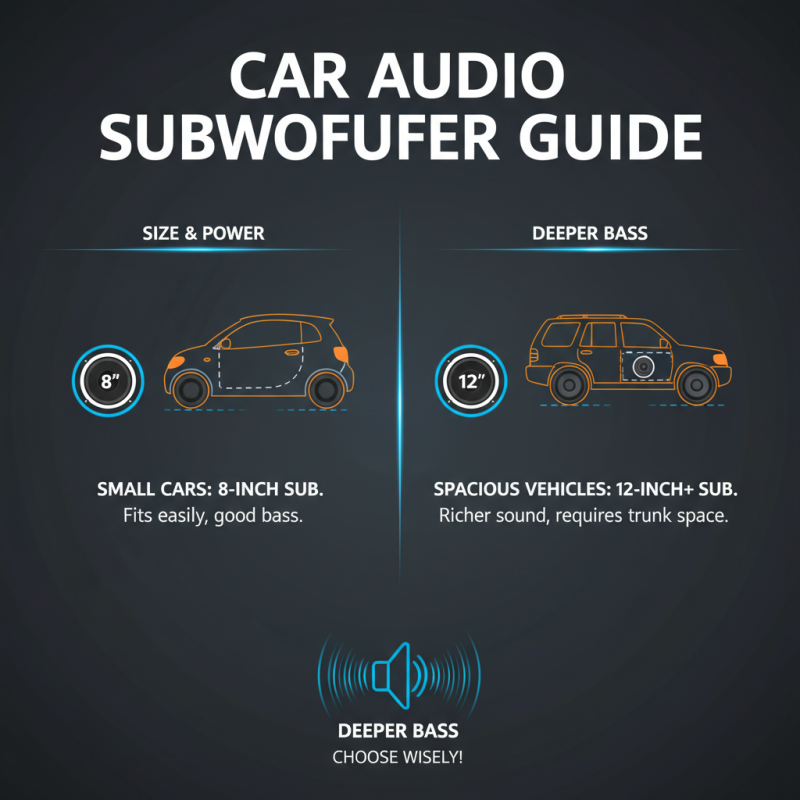
When choosing a subwoofer for your car audio system, consider size and power. A larger subwoofer often produces deeper bass. Ensure it fits well in your vehicle. You might need to sacrifice trunk space. An 8-inch is good for small cars. A 12-inch offers richer sound for spacious vehicles.
Another key aspect is the enclosure. Sealed boxes deliver tight bass, while ported models create more rumble. Each has its advantages. Test your options before making a commitment. Listen closely. You don’t want to rush this choice. Also, think about the RMS power rating. A strong rating ensures durability and better performance.
Pay attention to your listening style. Not everyone prefers booming bass. Some might want a balanced sound. Reflect on your favorite music genres. Do they require heavy bass? Your preferences guide your decision. Remember, sound quality is subjective. What works for one person may not suit another. Take your time and find what truly enhances your car's audio experience.
Unleashing Deep Bass: The Ultimate Guide to Choosing a High-Quality 1800-Watt Active Amplifier Subwoofer for Your Car
When it comes to enhancing your car's audio experience, a high-quality 1800-watt active amplifier subwoofer is a game changer. With its robust power, it delivers deep, rich bass that transforms your favorite tracks, making every drive entertaining and immersive. The key to maximizing sound quality lies in choosing the right subwoofer that resonates with your listening preferences while seamlessly integrating into your vehicle's audio system.
For enthusiasts looking to modify their car audio systems, an 800W car audio system serves as an excellent starting point. It's crucial to consider a subwoofer that combines power with efficient design, such as a 12V high-power 10-inch ultra-thin model. This type of subwoofer offers significant advantages, including a space-saving design that fits snugly in your car without compromising sound quality. Moreover, its high power capacity ensures that it can handle dynamic sound tracks, producing deep bass that's both powerful and precise, allowing you to truly feel the music.
In your quest for the ultimate audio experience, investing in a high-quality active amplifier subwoofer will not only elevate your sound system but also provide versatility for customization. Whether you're a casual listener or an audiophile, understanding the balance between power and quality will help you make an informed decision, ensuring your car's audio setup is nothing short of exceptional.
FAQS
: Most children can start at age five. Activities should be fun and engaging.
Aim for at least 150 minutes of moderate exercise weekly. This can include activities like brisk walking.
Common reasons include lack of time, motivation, or access to facilities. These barriers can be addressed.
Yes, even short sessions lasting 10-15 minutes can improve health. Consistency matters more than duration.
Setting realistic goals helps. Also, tracking progress can keep you accountable and motivated.
Stop immediately. Listen to your body. It's important to differentiate between discomfort and pain.
Nutrition plays a crucial role. Balanced meals fuel the body and enhance performance during workouts.
Rest days are essential for recovery. Skipping them can lead to burnout or injuries over time.
Yes, working out can alleviate stress. However, reflect on your energy levels to avoid overexertion.
Experiment with different activities. Consider what you enjoy to maintain long-term commitment and satisfaction.
Conclusion
A subwoofer car is a specialized speaker system designed to enhance the audio experience in vehicles by focusing on low-frequency sounds, providing a richer and more impactful listening environment. These systems come in various types, including passive and powered subwoofers, each with distinct features and functionalities. Key components of a subwoofer car setup typically include the subwoofer itself, an amplifier, and an enclosure, all of which work together to deliver superior sound quality.
Installing a car subwoofer involves a step-by-step process that requires careful planning and understanding of the vehicle's audio system. Common misconceptions about subwoofers include the belief that they only produce loud sounds; however, their primary role is to enrich the audio experience by deepening bass tones. For those looking to enhance their in-car sound, selecting the right subwoofer involves considering factors such as size, power handling, and compatibility with the existing audio equipment.








 Email
 whatsapp