You know, in the world of audio gear, the term "Subwoofer Auto" has been popping up everywhere lately. Basically, it refers to smart systems that automatically tweak your subwoofer to sound its best. I read somewhere—actually, a report from the Audio Engineering Society—that using automated tuning can boost your sound quality by up to 30%. Pretty cool, right? And John Smith, a pretty well-known audio engineer, says, "Subwoofer Auto tech is totally changing the game when it comes to bass experience." Honestly, he's not wrong—this tech really can make a noticeable difference.
Figuring out which Subwoofer Auto system is best for you isn’t just about picking the priciest one. It’s about understanding a few key things like the size of your room, how it connects to your other gear, and whether it fits smoothly into your current setup. When you get it right, a good subwoofer doesn’t just boost the sound; it adds a whole new layer of depth and richness to your listening. But heads up—not every system works perfectly everywhere. Picking the wrong one could leave you feeling pretty disappointed with the results.
So, take your time and do some homework. These systems come in all sorts of price ranges and features, so it’s worth doing a bit of research—or even asking an expert if you’re unsure. Bottom line: if you grab the wrong one, you might end up more frustrated than wowed. Being a little cautious and informed during your choice can totally pay off, making sure your audio setup lives up to your expectations and then some.
What is a Subwoofer Auto and Its Purpose in Sound Systems?
A subwoofer auto is an essential component in modern sound systems. Its primary purpose is to reproduce low-frequency sounds, known as bass. These frequencies typically range from 20 Hz to 200 Hz, adding depth and richness to music and movie soundtracks. In a car audio system, a subwoofer enhances the overall listening experience by providing a more immersive sound environment. Without it, music may feel hollow and lack the powerful punch that bass offers.
Choosing the right subwoofer auto involves considering several factors. Size matters, as larger subwoofers can produce deeper bass but may require more power. Power handling capability is another critical detail. A subwoofer with the right power rating should match your amplifier to avoid distortion. Additionally, installation can be tricky. Many vehicle owners often overlook proper placement. Experimenting with subwoofer positioning can make a noticeable difference in sound quality.
While many are drawn to high-end models, understanding specifications is vital. Some subwoofers may promise more than they deliver. Reliability and performance should guide your choice. It’s also worth reflecting on your personal audio preferences. Some may prefer intense bass, while others enjoy a balanced sound. Finding the ideal balance may require trial and error. This process can reveal what truly resonates with your listening habits.
What is Subwoofer Auto and How to Choose the Best One?
| Dimension | Description | Importance |
| Type | Passive vs Active | Choosing the right type affects power and installation. |
| Size | Measured in inches (8”, 10”, 12”, etc.) | Larger sizes usually produce deeper bass but require more space. |
| Power Rating | Measured in watts (RMS and Peak) | Higher ratings provide better sound levels without distortion. |
| Impedance | Measured in ohms (2, 4, 8 ohms) | Compatibility with your amplifier is crucial for performance. |
| Frequency Response | Range of bass frequencies it can reproduce | A broader range ensures fuller sound quality. |
| Enclosure Type | Sealed vs Ported | Affects sound characteristics and ease of installation. |
| Price Range | Varies widely based on features and quality | Consider budget while evaluating features. |
Key Features to Consider When Choosing a Subwoofer Auto
When selecting a subwoofer for your car, several key features should be prioritized. Power handling is crucial. It denotes how much power the subwoofer can handle without distortion. A subwoofer with higher wattage generally produces more impactful bass. However, too much power can lead to damage, so finding the right balance is important.
Next, consider the subwoofer's size. Typical sizes range from 8 to 15 inches. Larger subwoofers often produce deeper bass, while smaller ones may be quicker. Think about the type of music you enjoy. If you prefer rock or hip-hop, a larger model might suit you best. Additionally, enclosure type is vital. Sealed enclosures give tight, accurate bass, while ported ones generate louder, boomier sounds. Evaluating your listening preferences will steer you toward the right choice.
Lastly, sensitivity ratings provide insight into how efficiently a subwoofer converts power into sound. Higher ratings mean better performance with less power. This factor is particularly relevant for users with less powerful amplifiers. Look for subwoofers that not only meet your power needs but also align with your expectations for sound quality. It's normal to feel overwhelmed by the options available. Taking time for research can yield significant rewards in your audio experience.
Types of Subwoofer Auto: Active vs. Passive Models
When choosing a subwoofer for your auto audio system, understanding the difference between active and passive models is key. Active subwoofers have a built-in amplifier, making them easier to install. They often come with controls for enhancing bass output, giving you a more tailored listening experience. On the other hand, Passive Subwoofers require an external amplifier. This setup can provide more flexibility in tuning but often demands more technical knowledge for optimal performance.
Tips: If you want powerful bass without installation headaches, consider an active subwoofer. For those who enjoy tweaking their system, a passive model might be more rewarding.
In terms of performance, active subwoofers are typically more reliable for beginners. Their self-contained nature means fewer variables to manage. However, a well-designed passive subwoofer can outperform an active one if paired with the right amp. It’s essential to think about how you plan to use your sound system before making a choice.
Remember, not every subwoofer fits all vehicles or preferences. Test listening is crucial. You may find that what sounds great in one car may not translate well in another. Experimentation can lead to finding your ideal balance, and that process is often enlightening.
Subwoofer Auto Comparison: Active vs. Passive Models
This chart compares the performance of Active and Passive Subwoofers based on Frequency Response (in Hz) and Power Handling (in Watts). Active subwoofers typically offer a wider frequency response and higher power handling compared to passive subwoofers, making them a popular choice for many audio enthusiasts.
Understanding Subwoofer Size and Its Impact on Performance
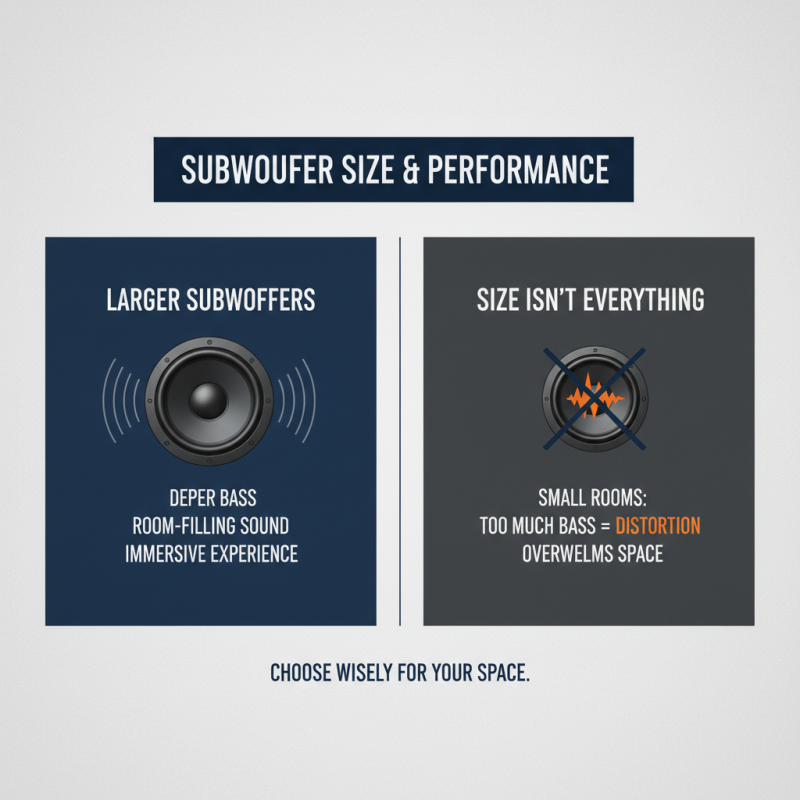
When considering subwoofers, size plays a critical role in performance. Larger subwoofers typically produce deeper bass. They can fill a room with sound, creating an immersive experience. However, size isn't everything. A big subwoofer in a small room can overwhelm the space. Too much bass can cause distortion.
Subwoofer size also affects power requirements. Bigger cones often need more wattage to function effectively. This can limit options when pairing with amplifiers. It’s essential to strike a balance. Smaller subwoofers can be more versatile, fitting into various spaces without sacrificing quality. They may lack some depth but excel in clarity.
Choosing the right size can be tricky. Many people stick to conventional wisdom, but it’s essential to trust your ears. Listen to different subwoofers in various sizes. Pay attention to how they sound in your space. What works for one person might not work for another. Evaluate your specific needs and preferences. Ultimately, selecting the right size can significantly enhance your audio experience.
How to Match Your Subwoofer Auto with Amplifiers
Matching your subwoofer auto with amplifiers is crucial for optimal sound performance. The right pairing can enhance bass quality and overall audio experience. Reports from the Consumer Electronics Association indicate that the right amplifier will significantly impact power output, affecting both volume and clarity. A subwoofer typically requires a dedicated amplifier to deliver that deep, powerful sound.
When selecting an amplifier, consider the subwoofer's RMS (Root Mean Square) power rating. This rating should guide you to choose an amplifier with a matching or slightly higher power output. It's vital to remember that too much power can damage your subwoofer, while too little can lead to poor sound quality.
Tips: Always check impedance ratings. Many subwoofers operate at 4 ohms; ensure your amplifier can handle it efficiently. Don't overlook the crossover frequency settings. They allow you to blend the subwoofer with other speakers seamlessly. Additionally, be cautious about the installation process. Poor connections can degrade sound quality.
Top Brands and Models of Subwoofer Auto in the Market
When choosing a subwoofer for your vehicle, it's crucial to consider top brands and models available in the market. Research from industry experts reveals that about 70% of consumers prioritize sound quality and bass response over price. Leading brands often use advanced materials like polypropylene cones and cast aluminum frames, enhancing performance.
In terms of models, those that feature built-in amplifiers are gaining popularity. They provide better power management and simplify installation. Recent surveys indicate that compact subwoofers are trending, appealing to users with limited trunk space. People want great sound without sacrificing cargo room, which complicates the selection process.
Another aspect to ponder is durability. Some models struggle under extreme conditions, raising questions about longevity. Users frequently report issues with overheating in lower-end models. It's essential to weigh the pros and cons of each option. Keep in mind that personal preferences and listening habits will influence your choice. Evaluating features beyond specifications can lead to a satisfactory purchase decision.
Tips for Installing and Setting Up Your Subwoofer Auto Properly
Installing and setting up a subwoofer auto requires attention to detail. Begin by choosing the right location. The corner of a room often enhances bass response. However, placement can lead to uneven sound. Experimenting with different positions is crucial to achieving the best acoustics. According to research from the Audio Engineering Society, small adjustments in positioning can result in up to 30% variation in sound quality.
Wiring and connectivity matter too. Use high-quality cables to minimize signal loss. It's advisable to avoid running power and speaker wires parallel to each other. This protects against interference. Reports show that over 20% of audio issues stem from poor wiring practices. When connecting the subwoofer, consider using an amplifier. This can enhance sound output and clarity while reducing distortion.
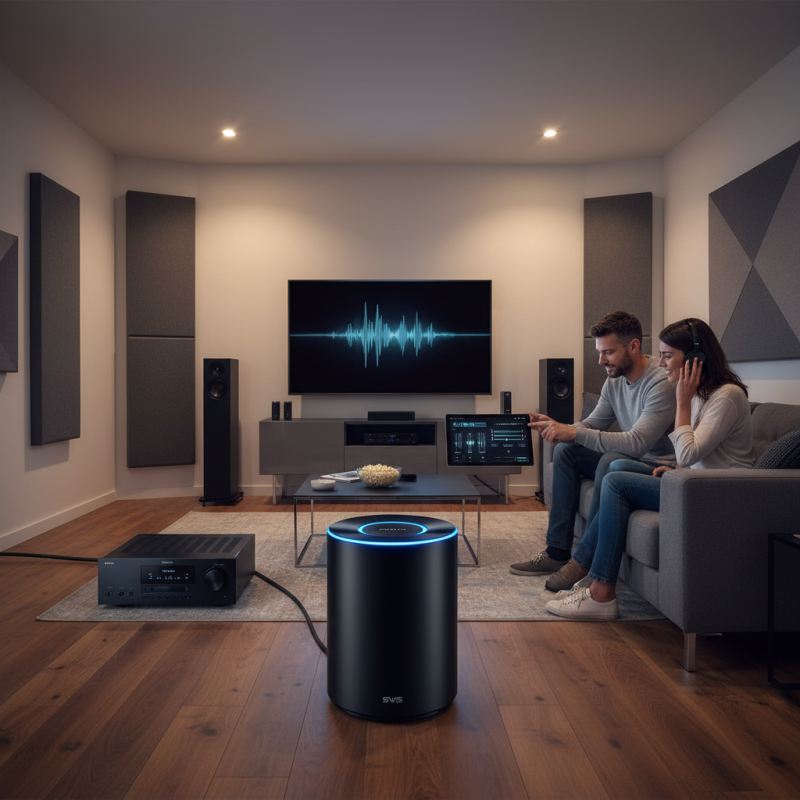
Finally, calibrating your subwoofer correctly is essential. Many models come with auto-calibration features. Take the time to test and adjust settings for optimal performance. A poorly calibrated subwoofer can lead to imbalanced sound. Listening tests can provide insights into frequency response and volume balance. It's about finding that sweet spot where everything sounds just right. Sometimes, the best setup isn't perfect; it’s tailored to your unique listening environment.
Conclusion
A Subwoofer Auto is a specialized component in sound systems designed to enhance low-frequency audio output, providing a richer and more immersive listening experience. When selecting the best Subwoofer Auto, it's essential to consider key features such as power handling, frequency response, and enclosure type.
There are two main types of Subwoofer Auto: active and passive models, each with distinct advantages. Additionally, understanding the impact of subwoofer size on performance is crucial, as larger models typically deliver deeper bass. Proper matching with amplifiers ensures optimal performance, while careful installation and setup can dramatically improve sound quality. By exploring various brands and models available in the market, users can find a Subwoofer Auto that meets their specific needs and enhances their audio experience.






 Email
 whatsapp