Leave Your Message
0%

Lately, it seems like Slim Subwoofers have really been gaining popularity. I came across a report from Sound Research Group that mentioned sales of compact audio setups—including these sleek Subwoofer Slim models—shot up by around 30% last year. They’re especially great if you’re living in a city apartment or smaller space where fitting in bulky speakers isn’t really an option. Even though they’re compact, these subwoofers pack a punch with deep bass, but without taking up too much room.

Johnathan Bass, who’s a senior engineer over at Acoustic Innovations, put it pretty well when he said, ‘A Subwoofer Slim isn’t just about saving space — it actually offers a rich, full sound too.’ Sometimes people don’t realize just how important these little devices are for keeping sound balanced in tight spaces. Thanks to modern tech, these slim models can actually match the performance of traditional, bulkier subwoofers.

That said, the name ‘slim’ can be a bit misleading. Some of these models cut corners on sound quality to reduce size, and a lot of casual listeners might not even notice that trade-off. As tech keeps improving, it’s becoming more crucial for buyers to find a subwoofer that’s both compact and sounds great. The hunt for that perfect sweet spot where size and performance meet is still on, and manufacturers are working hard to meet all sorts of needs in the market.

What is a Slim Subwoofer and How Does It Work?

What is a Slim Subwoofer?

What is a Slim Subwoofer and How Does It Work?

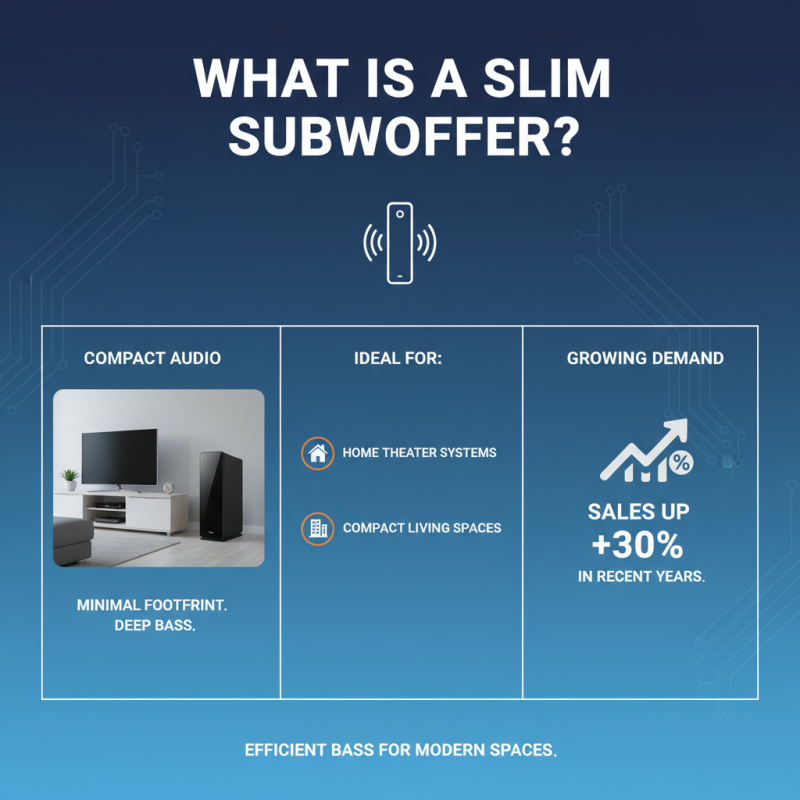
A slim subwoofer is a compact audio device designed to deliver deep bass sounds in a minimal footprint. These subwoofers are particularly popular in home theater systems and compact living spaces. With modern audio expectations rising, many consumers seek efficient solutions that fit within tight spaces. According to industry reports, sales of slim subwoofers have increased by over 30% in recent years, showing a growing demand.

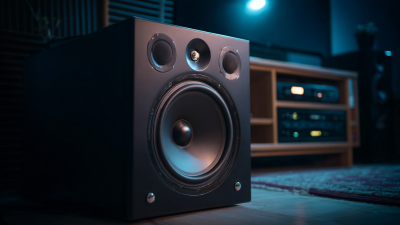
The design of slim subwoofers allows them to fit under furniture or in small cabinets. This presents both advantages and challenges. While they conserve space, their smaller size can sometimes limit their output and performance. Users may find that the bass isn’t as rich as larger models. However, advancements in technology, such as enhanced drivers and innovative bass reflex designs, have improved their capabilities.

Incorporating these subwoofers into a sound system can elevate audio experiences. They often come equipped with features like Bluetooth connectivity and adjustable crossover settings. However, potential buyers should consider their specific needs. Not all slim subwoofers produce the same quality of sound. Relying on specifications alone may lead to disappointment. Investing time in research and testing can yield a more satisfying result.

Overview of Slim Subwoofer Design and Features

A slim subwoofer is a compact audio device designed to deliver deep bass. Its slim profile makes it ideal for small spaces. These subwoofers are often used in home theaters and music systems. They produce rich sound without taking up too much room. The design focuses on both aesthetics and functionality.

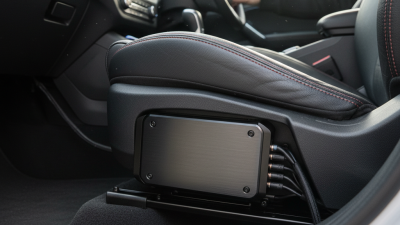
Slim subwoofers typically feature a downward-firing driver. This allows sound waves to spread evenly, enhancing audio quality. They often include built-in amplifiers, making them easy to set up. Many models come with wireless capabilities, reducing cable clutter. The materials used are important; high-quality components lead to better performance.

***Tip: Position your slim subwoofer in a corner for improved bass response.***

While slim subwoofers are convenient, they may not satisfy all audio enthusiasts. Some might find they lack the depth of larger models. It's essential to assess your listening needs. Test various models to find the best fit.

***Tip: Always listen before you buy.***

Remember, a slim design does not always equate to high sound quality. Consider the space where you plan to use it. Reflections off walls can alter audio performance, impacting your experience.

The Science Behind How Slim Subwoofers Produce Sound

Slim subwoofers are designed to fit into compact spaces while delivering powerful bass sounds. They typically use a specialized driver and a compact enclosure. The science behind how these subwoofers produce sound lies in their unique construction and engineering.

At the core, slim subwoofers utilize a bass reflex design. This allows the subwoofer to harness the air pressure generated within its enclosure. When the driver moves, it creates sound waves. The air movement enhances low frequencies, providing richer sound. Many assume that small size equates to weak output, but this is not always true. Some models defy expectations.

Yet, they are not without challenges. Achieving high-quality sound in a slim form factor can be complex. Low-frequency distortion might occur if the driver struggles with the enclosure size. Users may notice subtle differences in performance compared to larger counterparts. The quest for deeper bass can sometimes overshadow practical limitations. A careful balance of size, design, and power is essential for optimal sound production.

Comparing Slim Subwoofers to Traditional Subwoofers

Slim subwoofers have gained traction in the audio market, offering a compact solution for bass enthusiasts. These devices are designed to fit snugly in tight spaces, making them ideal for modern home theaters. In contrast, traditional subwoofers are larger and bulkier. According to industry reports, slim subwoofers can produce frequencies as low as 30 Hz while maintaining sound quality. Yet, they often sacrifice some power and depth compared to their larger counterparts.

Traditional subwoofers usually house bigger drivers. This allows for greater air movement and deeper bass responses. A report by the Audio Development Group states that conventional models can reach down to 25 Hz, contributing to a more immersive experience. However, larger sizes can be cumbersome, and placement can be a challenge in smaller rooms. Slim subwoofers, while potentially less powerful, offer flexibility without significant compromises on audio quality. Many users find them more aesthetically pleasing.

As technology advances, the lines blur between these two subwoofer types. Slim models now incorporate advanced materials and designs. Yet, some consumers report that they miss the full-bodied sound from traditional subwoofers. It’s evident that personal preference plays a crucial role in selecting the right option.

What is a Slim Subwoofer and How Does It Work? - Comparing Slim Subwoofers to Traditional Subwoofers

Feature Slim Subwoofer Traditional Subwoofer
Size Compact form factor, typically under 10 inches in depth Larger, often exceeding 12 inches in depth
Sound Output Moderate bass, suitable for small to medium rooms Powerful bass response, suitable for large rooms
Installation Easy to place in tight spaces, wall-mounted options available Requires more floor space, often freestanding
Weight Lightweight, typically under 30 pounds Heavier, often over 50 pounds
Power Consumption Lower power requirements Higher power consumption for stronger output
Cost Generally more affordable Often more expensive due to size and power
Use Case Ideal for home theaters in smaller spaces Best for larger rooms and high-fidelity audio setups

Ideal Use Cases for Slim Subwoofers in Audio Systems

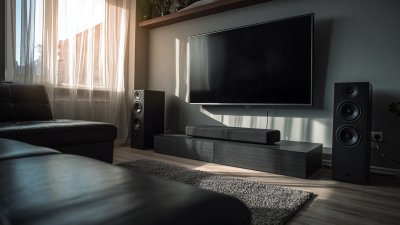
Slim subwoofers are becoming increasingly popular in audio systems. Their compact design makes them suitable for various environments. They deliver rich bass without occupying much space. This makes them ideal for small apartments or cozy living rooms. You can easily place them under a couch or a table. The result is deep, resonant sound without overwhelming your space.

These subwoofers shine in home theater setups. They enhance movie experiences by providing powerful low frequencies. Action scenes feel more intense with a slim subwoofer. Music lovers also enjoy their benefits. These devices can fill a room with sound while staying discreet. Slim designs make them less intrusive.

However, users should consider limitations. They may not perform as well in larger spaces. Sometimes, they lack the punch of traditional subwoofers. Calibration might be necessary for optimal performance. A little trial and error can go a long way. In some cases, placement can significantly affect sound quality.

Installation and Placement Tips for Slim Subwoofers

What is a Slim Subwoofer and How Does It Work?

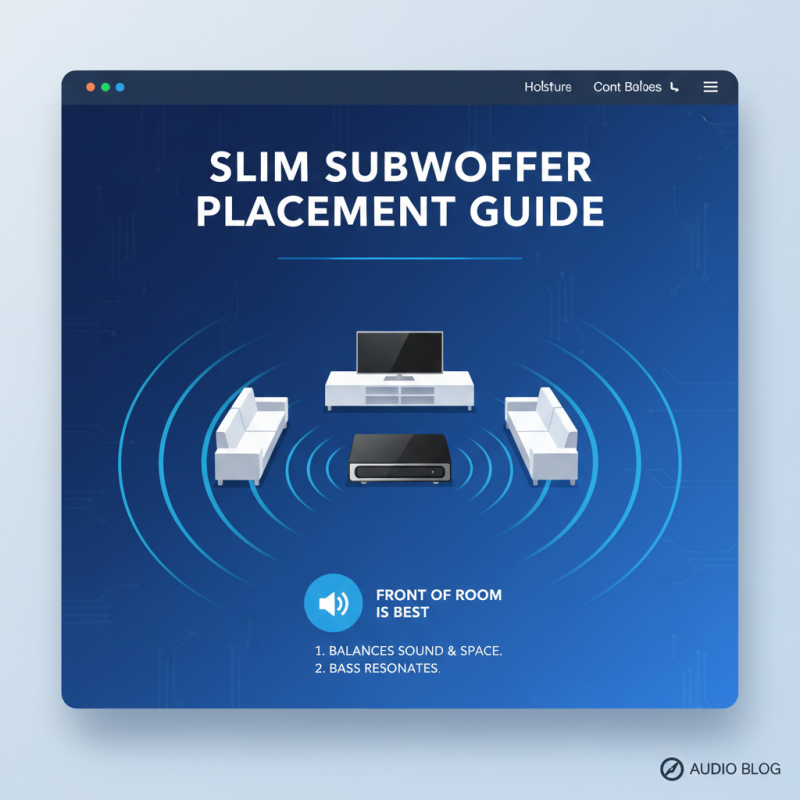
Installing a slim subwoofer can enhance your audio experience significantly. However, placement is crucial for optimal sound. You want to find a spot that balances sound quality and space management. Consider putting it near the front of the room. This allows the bass to resonate throughout the space effectively.

When thinking about installation, keep an eye on the corners of your room. While corners can boost bass, they can also create overwhelming sounds. Sometimes, too much bass can muddy the overall audio quality. It's often a good strategy to test different positions before settling on one. Move it around, listen, and find what works best for your environment.

Avoid obstructing the subwoofer with furniture. Barriers can muffle the sound, which is not ideal. Remember to leave some space around the subwoofer. It should breathe to perform well. Reflecting on these details can lead to a more enjoyable listening experience. Ultimately, the goal is to have sound that enriches your space without overpowering it.

Common Brands and Models of Slim Subwoofers in the Market

Slim subwoofers are gaining popularity among audio enthusiasts. Their compact size makes them ideal for tight spaces. Many modern homes lack the room for bulky audio equipment. A slim subwoofer can fit under a couch or behind furniture easily. This versatility allows for better sound without sacrificing style.

In the market, there are various brands and models to choose from. Some feature advanced technology, enhancing bass without distortion. Others focus on simple designs that blend seamlessly with home décor. It's essential to consider your needs. Some users may prioritize sound quality, while others may want a product that is easy to install. Research and compare different options before purchasing.

Choosing a slim subwoofer requires careful thought. Some may find the lower power insufficient for larger areas. A potential buyer should be aware of their space and listening habits. Not every model maximizes performance in every setting. Testing out products in-store can reveal often overlooked flaws. Ensuring it meets your specific requirements is crucial for satisfaction.

Performance of Slim Subwoofers by Frequency Response

This chart displays the frequency response of various slim subwoofers measured in Hertz (Hz). The data illustrates how effectively different models can reproduce bass frequencies.

FAQS

: What are slim subwoofers?

: Slim subwoofers are compact audio devices that fit into tight spaces. They are great for modern home theaters.

How do slim subwoofers compare to traditional ones?

Traditional subwoofers are larger and often provide deeper bass. Slim models save space but may lack some power.

What frequency range do slim subwoofers cover?

Slim subwoofers can produce frequencies as low as 30 Hz, maintaining decent sound quality.

Can traditional subwoofers deliver lower frequencies?

Yes, traditional subwoofers can reach down to 25 Hz, offering a fuller bass experience.

Why are users attracted to slim subwoofers?

They fit better in small rooms, are aesthetically pleasing, and offer decent sound quality.

Are there any downsides to slim subwoofers?

Some users miss the fuller sound of traditional models. Performance may vary by space and listening habits.

What factors should be considered before buying?

Consider your space size, sound quality needs, and whether you prefer easy installation or advanced features.

Should I test a subwoofer before purchasing?

Yes, testing in-store can reveal performance issues that may not be obvious online.

Why might someone prefer a larger subwoofer?

Larger subwoofers typically provide deeper bass and better sound quality, making them suitable for bigger areas.

What ultimate choice should a buyer make?

The choice depends on personal preference, space, and specific audio needs.

Conclusion

A Slim Subwoofer is a compact and streamlined version of traditional subwoofers, designed to deliver powerful bass while occupying minimal space. Unlike conventional models, Slim Subwoofers utilize innovative design features that allow them to fit into tight spaces without compromising sound quality. The science behind their operation involves specialized drivers and enclosures that optimize sound wave production, ensuring deep and rich audio experiences.

When compared to traditional subwoofers, Subwoofer Slim models provide a more versatile option for various audio setups, particularly in smaller rooms or home theaters. Ideal use cases include locations where space is at a premium, such as apartments or modern living rooms. Proper installation and placement can enhance the performance of Slim Subwoofers, maximizing their impact. As they gain popularity, a variety of models and designs are available in the market, catering to different audio preferences and needs.
Harrison

Harrison

Harrison is a dedicated marketing professional at Foshan Shunde Keshenglang Audio Equipment Co., Ltd., where he combines his passion for sound technology with his expertise in marketing. With a deep understanding of the audio equipment industry, Harrison plays a pivotal role in driving the......
Previous Benefits of Customer Support and Repair Savings for Subwoofer 8 Inch