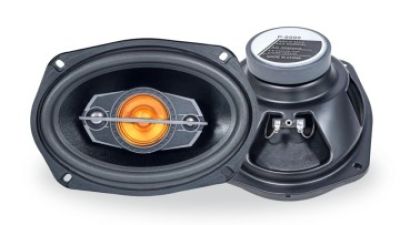
If you're looking to upgrade your car's audio and really get that immersive sound, picking the right subwoofer is super important. I mean, John Doe from SoundWave Innovations, who’s kind of a big deal in the audio world, once said, "A good subwoofer can totally take your car stereo from okay to wow." So, yeah, your choice of subwoofer can seriously make a difference when it comes to sound quality, deep bass, and just enjoying your tunes overall.
Keep in mind that different brands and models cater to different sound styles. Some folks love that deep, rumbling bass, while others prefer a more balanced, clean sound. It’s kinda personal — understanding your usual listening vibe will help a lot. If you make the wrong call here, you might end up pretty disappointed with how everything sounds. Sure, reviews and testimonials can steer you in the right direction, but they don’t always cover what you personally need.
Go for brands with a solid reputation, like JBL or Rockford Fosgate—they’re known for reliable gear. That said, even the big names have models that might not tick all your boxes, so do some homework. If possible, try to test them out or look for shops that offer trial periods. When you pick the right subwoofer, it can really make your drives more enjoyable—trust me on that!
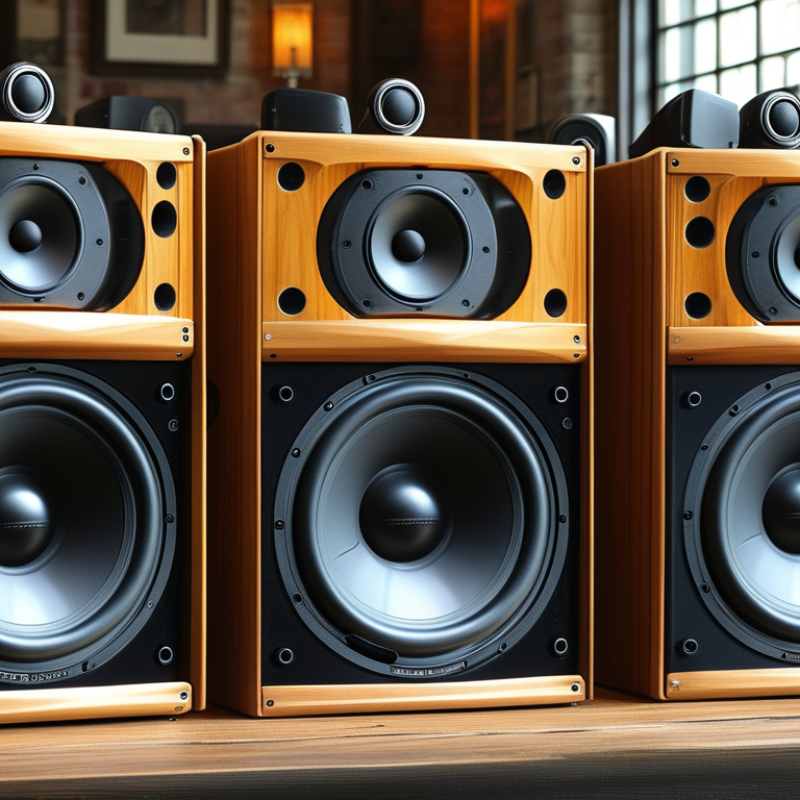
Understanding Subwoofers: Types and Functions
Subwoofers play a crucial role in enhancing car sound systems. They specialize in producing low-frequency sounds, filling the audio experience with depth. Understanding the different types of subwoofers is essential for optimizing sound quality. Generally, there are two main types: passive and active subwoofers. Passive Subwoofers require an external amplifier, while active models come with built-in amplifiers. According to industry analysis, active subwoofers account for about 70% of the market due to their ease of installation and compact design.
Choosing the right subwoofer also involves considering size and power. A larger subwoofer usually produces deeper bass. However, bigger isn’t always better. Some smaller models can still deliver impressive sound quality. The RMS power rating indicates how much power a subwoofer can handle continuously without distortion. A 150-watt RMS rating is adequate for daily use, while serious enthusiasts might prefer 500 watts or more.
Not all subwoofers are created equal. Some may not fit your car model or sound preferences. It's vital to assess your needs and listen to various options. There's no one-size-fits-all solution. Experimenting with different configurations can lead to better results. A well-researched choice can elevate your car audio experience significantly.
Key Specifications to Consider When Choosing a Subwoofer
Choosing the right subwoofer significantly impacts your car audio experience. Look at power handling. This is measured in watts. A higher number allows for louder and clearer sound without distortion. Next, consider the subwoofer size. Common options range from 8 to 15 inches. Larger models typically produce deeper bass. However, they can take up more space in your vehicle.
When assessing sensitivity, pay attention to the efficiency rating. This shows how much sound is produced from power input. Higher sensitivity means louder performance with less power. It’s worth reflecting on your preferences. Do you enjoy booming bass or a balanced sound?
For installation, check the enclosure type. Subwoofers come in sealed or ported designs. Sealed boxes provide tight bass, while ported ones deliver volume. Think about how much space you have and your sound goals. Don't rush the decision. Test different setups if possible. Enjoy experimenting with sound until you find the perfect fit for your car audio system.
Determining the Right Size and Power for Your Vehicle
When choosing a subwoofer for your car, size and power are crucial. Each vehicle has specific acoustic properties. A larger subwoofer may deliver deeper bass but could compromise space. Smaller models fit easily into tight areas, but they may lack the punch that music lovers crave.
Consider your music preferences. If you enjoy bass-heavy genres, a subwoofer with more power is essential. Power ratings, measured in watts, directly relate to sound output. A subwoofer with higher wattage can handle more demanding tracks without distortion. However, overestimating your power needs can lead to wasted energy and poor performance.
Placement of the subwoofer also affects sound quality. Positioning it in a truck or hatchback may yield different results compared to a sedan. Using trial and error is advisable. Listening tests can help identify optimal placement. Remember, achieving the perfect sound may require adjustments over time, so be patient and open to experimentation.
Sealed vs. Ported Enclosures: Which is Better for You?
When it comes to choosing a subwoofer for your car, the enclosure type significantly impacts sound quality. Sealed enclosures provide better sound accuracy and punchy bass. They offer a tighter response, which is ideal for genres like rock and classical music. The downside is that sealed boxes may lack volume and can require more power from your amplifier.
On the other hand, ported enclosures excel in producing deeper bass. They are designed with a vent or port that enhances low-frequency performance. This can make your music feel more dynamic, perfect for genres like hip-hop and electronic. However, they might sacrifice some tightness in bass response. You may find that some music sounds less precise.
Your choice will depend on your listening preferences. If you prioritize accuracy and clarity, a sealed enclosure would be beneficial. However, if you aim for loud, booming bass, a ported enclosure could be more suitable. It's essential to consider what music you listen to most and how you enjoy it. Both types have their advantages and trade-offs. Take the time to reflect on your sound preferences before making a decision.
Compatibility: Ensuring Your Subwoofer Fits Your Sound System
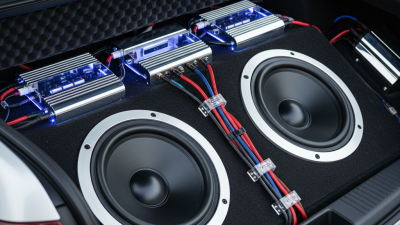
Choosing the right subwoofer for your car's sound system is crucial. Compatibility is key. You want a subwoofer that works seamlessly with your existing setup. Start by checking your amplifier's power rating. It should match the subwoofer’s requirements. If the numbers don’t align, you may experience poor performance.
Size matters too. A larger subwoofer typically produces deeper bass, but it needs adequate space in your vehicle. Measure your available area before purchasing. Not all cars can accommodate big units. Smaller subwoofers can still deliver powerful sound; they just require proper tuning in the system.
Consider the type of enclosure as well. A sealed box offers tight and accurate bass. A ported box can produce louder bass but may compromise clarity. Also, think about your listening preferences. If you enjoy clear vocals and beats, the sealed option might be best. Reflect on these factors carefully, as making the wrong choice could hinder your audio experience. Compatibility isn't just about fitting into the space; it's about ensuring every component works together harmoniously.
Subwoofer Compatibility with Car Sound Systems
This bar chart represents the compatibility scores of different subwoofer sizes with various car sound system configurations. The scores range from 0 to 100, with higher scores indicating better compatibility.
Installation Options: DIY vs. Professional Installation
When it comes to setting up a car sound system, the installation of a subwoofer is crucial. Deciding whether to install it yourself or hire a professional can be challenging. According to a survey by the Consumer Electronics Association, around 40% of car audio enthusiasts prefer DIY installations. This hands-on approach can save money and allow for personalized configurations. However, DIY installations demand a certain level of expertise and patience.
On the other hand, professional installation offers peace of mind. Not only do experts have the required tools, but they also understand complex wiring and acoustic adjustments. A study from the Mobile Electronics Retailers Association found that properly installed subwoofers can increase sound quality by up to 30%. A professional can ensure optimal placement, taking into account the vehicle's dimensions and acoustics.
Both options have their merits and drawbacks. When considering DIY, be prepared for potential mistakes, like misjudging power requirements or poor sound alignment. Professional help may come at a higher cost but often results in a significantly enhanced audio experience. Ultimately, the choice lies in balancing budget with desired sound quality.
Budgeting for Your Subwoofer: Cost vs. Performance Considerations
When budgeting for a subwoofer, consider both cost and performance. Understand that higher prices often correlate with better sound quality. However, it's essential to find a balance between your budget and what you truly need. A worthy subwoofer can enhance your car's audio system, but overspending can lead to buyer's remorse if it doesn't fit your listening preferences.
Think about how you plan to use the subwoofer. If you love bass-heavy music genres, invest more upfront. If you’re a casual listener, you can save money without sacrificing quality. Remember, even budget-friendly options can offer impressive performance. Don't forget to factor in installation costs when setting your budget. Sometimes, a great price on the unit can be negated by high installation fees.
Experimentation is important. Consider listening to different subwoofers before purchasing. Sometimes, specifications don't translate well to personal experience. Trust your own ears over marketing claims. Reflect on your choices after testing. This helps refine your understanding of sound and ensures you make an informed decision.
How to Choose the Best Subwoofer for Your Car Sound System? - Budgeting for Your Subwoofer: Cost vs. Performance Considerations
| Subwoofer Size | Power Handling (RMS) | Sensitivity (db) | Price Range ($) | Best Performance for Budget |
| 8 inch | 200W | 85 | 50 - 90 | Moderate Bass |
| 10 inch | 300W | 88 | 90 - 150 | Good Balance |
| 12 inch | 500W | 90 | 150 - 250 | Strong Bass |
| 15 inch | 800W | 92 | 200 - 400 | Deep Bass |
Enhancing In-Car Audio Experience: Analyzing the Impact of 6x9 Inch 2-Way Coaxial Speakers on Sound Quality and User Satisfaction
The in-car audio experience can significantly influence overall driving enjoyment, and one of the key factors in enhancing this experience is the choice of speakers. Analyzing the impact of 6x9 inch 2-way coaxial speakers reveals their potential to elevate sound quality and user satisfaction to new heights. These speakers are designed to deliver balanced audio reproduction with robust bass response and crisp highs, making them an ideal choice for music lovers who demand clarity and richness in sound within their vehicles.
With a 10000+ square meter source factory, OEM private labeling, and ample in-stock samples available for testing, consumers can easily experience the superior performance of these speakers. The flexibility of mixed batch supply ensures that purchasing options cater to a diverse range of needs, whether for an individual upgrading their car audio or businesses looking to implement new audio solutions. Long-term supply commitments further guarantee that users will have consistent access to high-quality products that improve their in-car audio experience, ultimately leading to greater satisfaction for drivers and passengers alike.
FAQS
: Sealed enclosures provide better sound accuracy and punchy bass, ideal for rock and classical music.
Yes, they may lack volume and need more power from the amplifier.
Ported enclosures excel in producing deeper bass for a dynamic listening experience.
They might sacrifice some tightness in bass response, making music sound less precise.
Consider your music preferences and whether you value accuracy or booming bass more.
DIY installation saves money and offers personalized configurations but requires expertise.
Professionals have tools and expertise, ensuring optimal placement and sound quality.
Yes, properly installed subwoofers can enhance sound quality by up to 30%.
Misjudging power requirements or achieving poor sound alignment can occur during DIY.
Weigh the cost of professional help against the potential sound benefits to find a solution.
Conclusion
Choosing the best Subwoofer Car for your sound system involves understanding the different types and functions of subwoofers, as well as key specifications such as size and power requirements. It's essential to determine the right fit for your vehicle, taking into account whether you prefer sealed or ported enclosures, which offer varying sound qualities.
Compatibility with your existing sound system is crucial, so ensure the subwoofer can integrate smoothly. Additionally, consider your installation options, whether you choose a DIY approach or professional help, and budget accordingly by weighing cost against performance. By following these guidelines, you can enhance your car audio experience with the right subwoofer car that meets your needs.






 Email
 whatsapp