Picking out the right subwoofer for your Car Audio Setup can feel pretty overwhelming sometimes, doesn’t it? I mean, a good subwoofer really can take your listening experience to a whole new level, giving you that deep bass and rich sound you want. But with so many options out there, it’s easy to get lost in the details.
First off, it’s super important to figure out what size and type of subwoofer will fit nicely into your car — nobody wants to be stuck with something that’s awkward or doesn’t match. Different models have their own sound qualities and need specific power levels, so it’s worth doing a little homework. Brands like JL Audio and Pioneer are popular, and they do offer a variety of choices. But here’s the thing — not all models are equal, and sometimes people forget to check if the subwoofer will play nice with their existing audio system. That can lead to disappointing results or even damage, which nobody wants.
At the end of the day, your personal taste and how you like to listen should really guide your decision. Are you into those thunderous, bone-rattling basslines or a more balanced, smooth sound? Thinking about what really matters to you will help point you in the right direction. Pick the right subwoofer, and it can totally transform your drive, turning it into an enjoyable, immersive experience. And hey, taking some time to research now can save you from headaches later on — trust me, it’s worth it.

Understanding Different Types of Subwoofers: Sealed vs. Ported
Choosing a subwoofer for your car audio system requires understanding the different types available. The two common types are sealed and ported subwoofers. Each has unique characteristics that affect sound quality and performance.
Sealed subwoofers are known for their tight, accurate bass. They have a simpler design, which leads to better sound control. This type of enclosure can enhance sound clarity, especially at lower frequencies. If you prefer music genres that require precision, like classical or jazz, sealed subwoofers might be the best choice. However, they tend to require more power to produce the same volume as ported designs.
On the other hand, ported subwoofers offer a louder and boomier sound. They utilize a vent or port to enhance bass response at certain frequencies. This type can deliver a more pronounced low-end experience, making it popular for hip-hop or electronic music fans. Yet, the efficiency comes at a cost. The sound can lack definition and may be prone to distortion at high volumes. It’s essential to consider your music preferences and listening environment when selecting between sealed and ported designs.
Key Specifications to Consider: Power Handling, Sensitivity, and Frequency Response
When selecting a subwoofer for your car audio system, understanding key specifications is crucial. Power handling indicates how much power the subwoofer can handle without distortion. A higher number means the subwoofer can produce richer, deeper bass. However, more power isn't always better if the rest of your system can't support it. It's essential to match power handling with your amplifier's capability for optimal performance.
Sensitivity is another important factor. It measures how efficiently the subwoofer converts power into sound. A higher sensitivity rating means the subwoofer will produce more volume with the same amount of power. Choose a model with a sensitivity rating above 85 dB for satisfactory performance. Yet, remember, a sub with high sensitivity might sacrifice some bass quality. Balancing sensitivity and power requires careful consideration.
Frequency response reveals the subwoofer's ability to reproduce different sound frequencies. A wider frequency range typically allows for deeper bass and clearer sound. Look for a subwoofer capable of reaching at least 20 Hz to enjoy a full spectrum of sound. However, achieving a balance between depth and clarity can be challenging. Inspect multiple models to find the right one that suits your listening preferences and vehicle acoustics.
The Importance of Subwoofer Size: How Cone Diameter Affects Sound Quality
When it comes to car audio systems, the size of the subwoofer is crucial. The cone diameter directly impacts sound quality. A larger cone moves more air, producing deeper bass sounds. This means you can feel the music in your core. However, bigger isn't always better. Space in your vehicle is a limiting factor. It’s essential to find a balance between size and sound.
Make sure to consider your needs. A small cone might be sufficient for a casual listener. If you enjoy powerful bass, opt for a larger subwoofer. However, fitting a massive unit in a compact car can lead to unwanted vibrations and rattles. Measure your available space before you decide.
Pay attention to how the subwoofer integrates with your system. It should complement your existing speakers. Sometimes, an oversized subwoofer may overpower the other sounds. Choose wisely to avoid sonic imbalances. Reflect on your listening preferences as well. What sounds good to you? Tune your subwoofer to achieve the best experience.
Choosing the Right Amplifier for Your Subwoofer: Matching Power and Impedance
Choosing the right amplifier for your subwoofer is critical for optimal performance in your car audio system. Matching power output and impedance is foundational. The power rating of an amplifier, measured in watts, should be compatible with the subwoofer's requirements. If an amplifier is underpowered, it may struggle to drive your subwoofer effectively, leading to distortion. Overpowering can also damage the subwoofer, which is a common yet preventable mistake.
Industry reports highlight that many enthusiasts overlook impedance matching. A subwoofer typically has an impedance of 2, 4, or 8 ohms. Using an amplifier that matches this specification ensures efficient power transfer. According to a 2022 survey from the Car Audio Manufacturers Association, 55% of car audio users do not know their subwoofer's impedance. This lack of knowledge can lead to poor sound quality.
Choosing an amplifier with adjustable settings can provide flexibility. Some amplifiers offer gain controls that allow users to fine-tune performance. However, these adjustments require a discerning ear and possibly trial and error. A poorly adjusted gain can result in too much distortion or, conversely, insufficient volume. Investing time in proper setup pays off in richer sound quality and a better listening experience.
Comparison of Subwoofer Power Handling and Impedance
Material Matters: The Impact of Cone and Surround Materials on Performance
When selecting a subwoofer for your car audio system, the materials of the cone and surround play crucial roles in sound performance. Cones are usually made from various materials, including paper, plastic, and composite mixes. Each material affects sound quality differently. Paper cones often produce warm, natural sounds, while plastic cones can offer a crisper and more defined sound.
The surround material also impacts performance. Rubber surrounds tend to be more durable and provide better sound dampening. Foam surrounds can deliver excellent sound quality but may degrade over time. Understanding these factors is essential for making an informed choice.
Tips: Consider your listening preferences. Do you prefer deep bass lines or articulate midrange sounds? Evaluate how each material aligns with your audio goals. Sometimes, a more expensive option may not suit your listening habits. Don’t hesitate to listen to different setups before making a decision. Trying various materials can reveal surprising preferences.
Installation Options: DIY vs. Professional Installation for Your Subwoofer
When considering subwoofer installation, two main options emerge: DIY and professional installation. DIY installation can be appealing to car enthusiasts. It saves money and allows for personalized customization. However, it requires a certain level of mechanical skill and understanding of car audio systems. A poorly executed installation can lead to damage or subpar audio performance. Many underestimate the time and effort involved in getting everything aligned correctly.
On the other hand, professional installation provides expertise and peace of mind. Trained technicians can ensure that everything is wired properly and functions as intended. They understand the nuances of acoustics and can optimize your system for the best sound experience. Yet, this option usually comes with a higher cost that some may find prohibitive.
Ultimately, the choice between DIY and professional installation depends on personal preference and skill level. A successful DIY project often boosts confidence in technical abilities, but could also lead to regrets if mistakes are made. Professional installation guarantees quality, yet leaves some feeling disconnected from the hands-on experience.
Evaluating Subwoofer Brands: Reliability, Reviews, and Industry Reputation
Choosing the best subwoofer for your car audio system involves considering brand reliability, user reviews, and the overall reputation in the industry. In a market with many options, this becomes essential. Many brands claim excellence, but it is crucial to dive deeper into consumer experiences. Look for feedback on durability and sound quality. A great subwoofer should enhance your music without distorting the sound.
When exploring brand reputations, focus on long-standing companies with a history of positive reviews. Reliability often correlates with how long a brand has been in the market. Newer brands may have innovative designs but lack the proven track record. Reading reputable publications and expert reviews helps create a clearer picture.
User reviews are invaluable. They provide insights into real-world performance. Many buyers share their experiences with installation and day-to-day use. Look for patterns in feedback. If multiple reviewers mention a specific flaw, it might be a reason for concern.
If you're unsure, consider testing a subwoofer in-store before purchasing. Listen to its performance directly. The right choice is about finding the balance that suits your needs, even if it takes time to sort through the options.
Maximizing Your Car Audio Experience: The Ultimate Guide to Choosing a Professional 4-Channel Class AB Car Amplifier
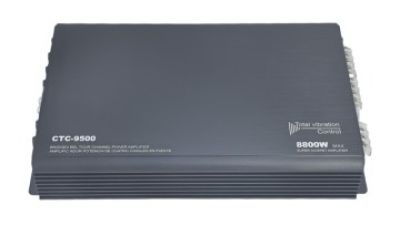
When it comes to elevating your car audio experience, choosing the right amplifier is crucial. A 4-channel Class AB car power amplifier stands out as an excellent option, offering the ideal balance of performance and versatility. Known for their robust performance, these amplifiers are particularly well-suited for modifications in vehicle audio systems. Their ability to drive both front and rear speakers ensures a well-rounded sound experience, making every journey more enjoyable.
One of the key advantages of a 4-channel Class AB amplifier is its bridgeable connection feature. This capability allows it to cater to a range of audio upgrade projects. Whether you want to power standard speakers or work with subwoofers for that deep bass experience, this amplifier adapts to your needs seamlessly. Its cost-effective nature doesn’t compromise on reliability, making it a solid investment for car audio enthusiasts looking to enhance their system without breaking the bank.
FAQS
: Proper matching prevents distortion and potential damage. Underpowered amplifiers struggle, while overpowering can harm the subwoofer.
Common impedances are 2, 4, or 8 ohms. Matching your amplifier to this ensures efficient power transfer for better sound.
A significant number are not. A survey found that 55% of users lack this knowledge, impacting sound quality.
Adjustable gain can enhance performance. However, improper settings might cause distortion or low volume. Adjusting requires careful listening.
Cones are typically paper, plastic, or composite. Each has distinct effects on sound quality and responsiveness in your audio setup.
Rubber surrounds offer durability and dampening. Foam can produce quality sound but may wear out over time, affecting longevity.
Think about your listening preferences. Deep bass or clear mids? The right choice aligns with your audio goals and habits.
Yes, experimenting can reveal surprising preferences. Trying various materials may help you make a more informed decision.
Sometimes, pricey options don’t suit your needs. Evaluate how a specific material aligns with your unique listening habits.
Conclusion
When selecting the best subwoofer for your car audio system, it’s essential to understand the differences between sealed and ported subwoofers, as each type offers distinct sound characteristics. Key specifications such as power handling, sensitivity, and frequency response should be considered to ensure optimal performance. The physical size of the subwoofer, particularly the cone diameter, significantly affects sound quality, making it an important factor in your decision.
Additionally, matching the right amplifier with your subwoofer is crucial for achieving the best audio output, focusing on power requirements and impedance compatibility. The materials used in the cone and surround also play a vital role in performance, influencing sound clarity and durability. Finally, consider whether to opt for DIY installation or professional help, as this can impact both the functionality and longevity of your subwoofer car audio setup. Evaluating different brands based on reliability and industry reputation can lead to a more informed choice.





 Email
 whatsapp