So, when you're thinking about upgrading your car’s audio system, picking the right subwoofer really makes all the difference. It’s what helps you get that deep, rich bass that totally elevates your listening experience. Did you know that, according to Grand View Research, the global market for car audio systems is projected to hit around $17.9 billion by 2025? And a big chunk of that growth is thanks to subwoofers, which have come a long way. These days, subwoofer tech has advanced a lot, offering options that give killer bass performance but are still compact and efficient — pretty impressive, right?
But here’s the thing: choosing the right subwoofer isn’t just about picking the loudest or the biggest one. You’ve gotta look at stuff like how much power it can handle, what type of enclosure works best, and how it actually sounds in your car. According to the Consumer Electronics Association, nearly 60% of car audio fans say subwoofers are a must-have in their setups. That really shows how important making the right choice is. When you pick the perfect Car Subwoofer, it can totally transform your ride, making your sound system a real audio powerhouse. Plus, it lets you customize what you hear to match your musical vibe — it’s all about that personal touch.
Understanding the Role of Subwoofers in Car Audio Systems
Subwoofers play a crucial role in enhancing the overall sound experience in car audio systems. They are specifically designed to reproduce low-frequency sounds, which are essential for creating a full and immersive audio environment. Research indicates that around 70% of listeners report a significant improvement in audio clarity and richness when subwoofers are integrated into their sound systems. This is because subwoofers can handle the deep bass notes that standard speakers often struggle with, providing a depth to music genres like hip-hop, electronic, and rock that makes the listening experience more enjoyable.
By complementing other audio components, subwoofers help achieve a balanced sound profile. According to industry reports, a well-optimized subwoofer can cover frequency ranges as low as 20 Hz, which not only enriches the bass but also enhances the impact of drum hits and bass lines, crucial for many popular music styles. Furthermore, studies show that subwoofers often improve the spatial perception of sound, allowing users to feel the rhythm in a way that mere stereo speakers cannot replicate. This synergy between subwoofers and other speakers is vital in building a car audio system that delivers both power and precision, ultimately transforming how users experience music on the road.
Factors to Consider When Selecting a Subwoofer for Your Vehicle
When selecting a subwoofer for your vehicle, one of the key factors to consider is the size of the subwoofer. The size will significantly influence the sound quality and the amount of bass produced. In general, larger subwoofers tend to deliver deeper and more powerful bass, while smaller ones may offer a tighter, more controlled sound. It’s essential to strike the right balance that fits your personal preferences and the acoustic characteristics of your car.
Another crucial aspect is power handling and sensitivity rating. The power handling of a subwoofer indicates the maximum amount of power it can take without distortion or damage. This is measured in watts RMS. Pairing the subwoofer with an amplifier that matches its power handling capability is vital for optimal performance. Sensitivity ratings describe how efficiently a subwoofer converts power into sound. A higher sensitivity rating means the subwoofer will produce more output for the same amount of power, which can be beneficial in terms of energy efficiency and clearer sound reproduction.
Types of Subwoofers: Ported vs. Sealed Enclosures
When selecting a subwoofer for your car audio system, one of the crucial decisions revolves around the type of enclosure you will use: ported vs. sealed. Ported enclosures, also known as vented enclosures, allow air to flow in and out of the box through a specific port. This design enhances the subwoofer’s efficiency and can produce deeper bass tones at lower power levels. The added air movement created by the port can result in a louder output, making ported enclosures a popular choice for those seeking an impactful listening experience, especially for music genres that emphasize bass.
On the other hand, sealed enclosures are more straightforward, featuring a completely enclosed box with no ports. This design provides a tighter, more accurate bass response because it minimizes air movement. Sealed enclosures are often preferred by audiophiles who value precision and clarity over sheer volume. They typically require more power to achieve the same sound levels as ported designs, but their transient response is superior, making them ideal for certain types of music. Ultimately, the choice between ported and sealed enclosures will depend on your listening preferences, the type of music you enjoy, and the specific acoustic qualities you wish to emphasize in your car audio system.
How to Choose the Best Subwoofer for Your Car Audio System - Types of Subwoofers: Ported vs. Sealed Enclosures
| Feature | Ported Enclosure | Sealed Enclosure |
| Bass Response | Louder at lower frequencies | Tighter and more accurate bass |
| Size Requirement | Typically larger due to port | More compact design |
| Power Handling | Handles more power efficiently | Less power handling capability |
| Installation Complexity | Usually more complex | Generally easier to install |
| Cost | Often more expensive | Usually more affordable |
Matching Subwoofer Size with Your Car's Audio Specifications
When selecting a subwoofer for your car audio system, one critical factor to consider is the size of the subwoofer in relation to your vehicle's audio specifications. It is widely reported that subwoofer sizes typically range from 8 inches to 15 inches, with larger subwoofers generally providing deeper bass. However, it's essential to note that simply choosing a larger subwoofer does not guarantee superior sound quality. According to a study by the Consumer Electronics Association, the ideal subwoofer size should be matched with the car's volume and acoustics to achieve optimal performance.
For instance, compact cars may benefit from a smaller subwoofer, like a 10-inch model, which can efficiently fill the cabin without overwhelming the audio experience. Conversely, larger vehicles such as SUVs may require 12-inch or 15-Inch Subwoofers to properly resonate the sound waves throughout the space. The subwoofer's power rating, measured in watts, should also align with your car's amplifier capabilities, ensuring you provide adequate power for the subwoofer to perform effectively.
Tips: Always consider the enclosure type for your subwoofer. A sealed box typically delivers tighter and more accurate bass, while a ported box may increase the output at lower frequencies. Additionally, ensure that the chosen subwoofer's impedance matches your amplifier for seamless integration, maximizing both performance and longevity.
Power Ratings and Impedance Explained for Subwoofer Selection
When selecting a subwoofer for your car audio system, understanding power ratings and impedance is crucial to ensure optimal performance. Power ratings, typically measured in watts, indicate how much power a subwoofer can handle. It’s essential to look at both the RMS (Root Mean Square) and peak power ratings. RMS power indicates the continuous power level a subwoofer can handle without distortion, while peak power rating indicates the maximum power level the subwoofer can handle for short bursts. Pairing your subwoofer with an amplifier that matches or slightly exceeds its RMS rating will help prevent damage and enhance sound quality.
Impedance, measured in ohms, affects how much current the subwoofer draws from the amplifier. Most subwoofers come in 2-ohm, 4-ohm, or 8-ohm variants. A lower impedance allows more current to flow, which can lead to increased power output and potentially greater bass response. However, it requires more from your amplifier, which may need to be compatible with lower impedance loads. It’s essential to match the impedance of your subwoofer to the specifications of your amplifier to maximize efficiency and prevent overheating or distortion. Understanding these fundamentals will guide you in selecting a subwoofer that complements your car audio system for the best audio experience.
Installation Tips for Optimal Subwoofer Performance in Cars
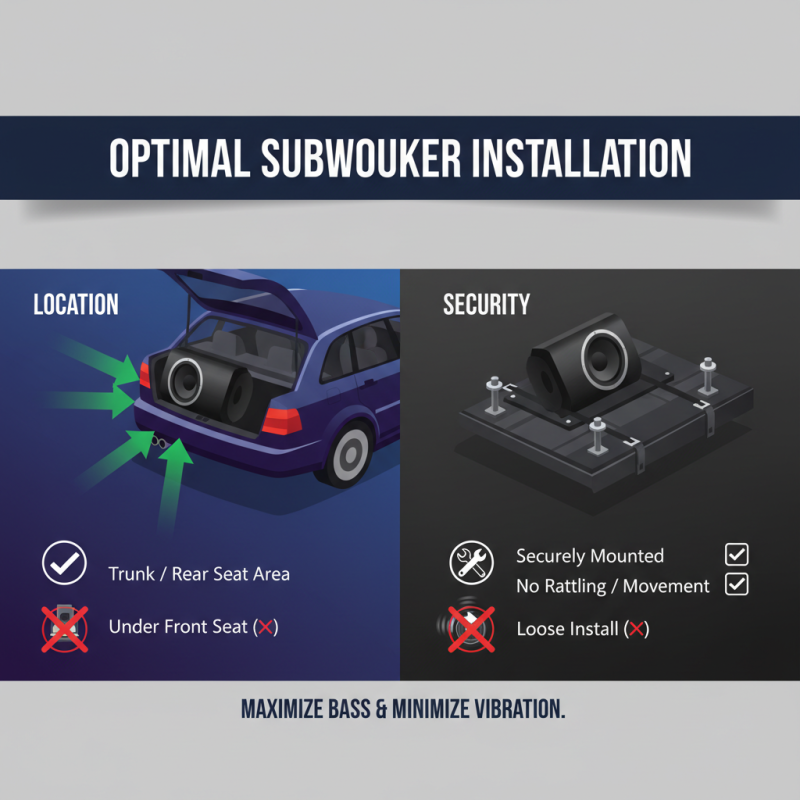
When installing a subwoofer in your car audio system, proper installation is key to achieving optimal performance. One common tip is to choose the right location for your subwoofer. Ideally, it should be placed in the trunk or rear seat area to maximize bass response and minimize vibrations affecting surrounding components. Ensure that the subwoofer is securely mounted to prevent any rattling or movement during playback.
Another important consideration is wiring. Use quality cables that can handle the power requirements of your subwoofer. Make sure to follow proper gauge recommendations to avoid signal loss and potential overheating. Routing the wires away from other electrical sources can also help reduce noise interference, ensuring a cleaner sound.
Lastly, adjust the settings on your amplifier for optimal sound quality. Start with a moderate gain level and gradually increase it while listening for any distortion. Tweak the low-pass filter and phase settings as needed to meld the subwoofer’s performance seamlessly with your existing speakers. Taking the time to fine-tune these elements can significantly enhance your overall audio experience.
Budgeting for Your Car Audio System: Cost of Subwoofers and Accessories
When budgeting for a car audio system, understanding the cost of subwoofers and associated accessories is essential for making an informed decision. According to industry reports, the average price range for quality subwoofers typically falls between $100 and $1,000, depending on performance specifications and brand reputation. Entry-level models may suffice for casual listeners, while audiophiles often invest in higher-end options that offer superior sound clarity and powerful bass response.
When considering additional accessories such as amplifiers, wiring kits, and enclosure boxes, it's crucial to allocate an extra 30% of your intended budget for subwoofers. Amplifiers, in particular, can significantly enhance the performance of your subwoofer, with costs generally ranging from $50 to $500. Furthermore, proper installation can impact the overall sound experience, which might require professional help, averaging between $100 and $200. Ultimately, setting a realistic budget that encompasses these elements will ensure you achieve the best possible audio experience in your vehicle while avoiding unexpected costs down the line.
Unleashing the Power of Sound: The Riding Car Sound Waves Experience with Aluminum Alloy Ultra Thin Bass Cannon
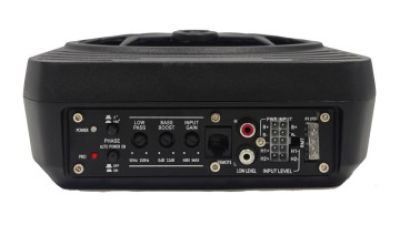
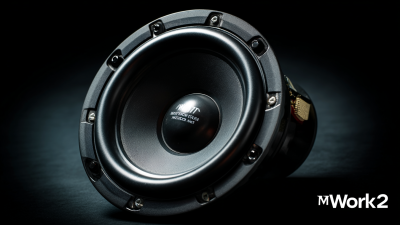
Unleashing the power of sound in your vehicle is now easier than ever with the innovative aluminum alloy ultra-thin bass cannon. This cutting-edge car subwoofer is designed for invisible installation beneath your seat, creating a discreet yet powerful sound experience. By releasing surging sound waves, it completely reshapes your car's audio landscape, transforming ordinary drives into extraordinary musical journeys.
The aluminum alloy construction not only ensures durability but also contributes to an impressive acoustic performance. With a rated power of 120W and a maximum output of 1000W, this subwoofer operates at a working voltage of 12V and covers a frequency response range of 50Hz to 150Hz, delivering a rich sound experience. Its sensitivity of 92dB and a manageable impedance of 4Ω make it compatible with various car audio systems. Whether you're navigating through traffic or cruising on open roads, the bass cannon enhances every beat and note, creating an immersive sound field that car enthusiasts will love.
FAQS
: Subwoofers are designed to reproduce low-frequency sounds, enhancing the overall sound experience and providing deep bass that complements the audio quality.
Research shows that around 70% of listeners experience a significant improvement in audio clarity and richness when subwoofers are included in their sound systems.
Key factors include the size of the subwoofer, which influences sound quality and bass production, as well as the power handling and sensitivity rating for optimal performance.
Larger subwoofers typically deliver deeper and more powerful bass, while smaller ones offer a tighter, more controlled sound, so it's important to choose one that fits your preferences.
The average price for quality subwoofers ranges between $100 and $1,000, depending on performance features and specifications.
It is advisable to allocate an extra 30% of your intended budget for subwoofers to cover related accessories like amplifiers, wiring kits, and enclosure boxes.
Matching the power handling ensures that the subwoofer operates within its safe limits, minimizing the risk of distortion or damage during use.
Amplifier costs generally range from $50 to $500, significantly impacting the overall performance of the subwoofer.
Professional installation costs for a subwoofer typically average between $100 and $200, which can affect the overall budget for your car audio system.
Conclusion
When upgrading your car audio system, selecting the right sub Woofer Car subwoofer is crucial for achieving that deep, impactful sound. Understanding the role of subwoofers in enhancing bass is the first step. Key factors to consider include the type of enclosure—porting can amplify sound while sealed options offer tighter bass—and matching the subwoofer size to your car's audio specifications for optimal performance. It's also important to pay attention to power ratings and impedance to ensure compatibility with your system.
Installation plays a significant role in the effectiveness of your subwoofer. Proper placement and tuning can enhance sound quality, while budgeting for the purchase and necessary accessories can affect your overall satisfaction with the audio system. By considering these aspects, you can confidently choose a sub woofer car subwoofer that elevates your listening experience on the road.








 Email
 whatsapp