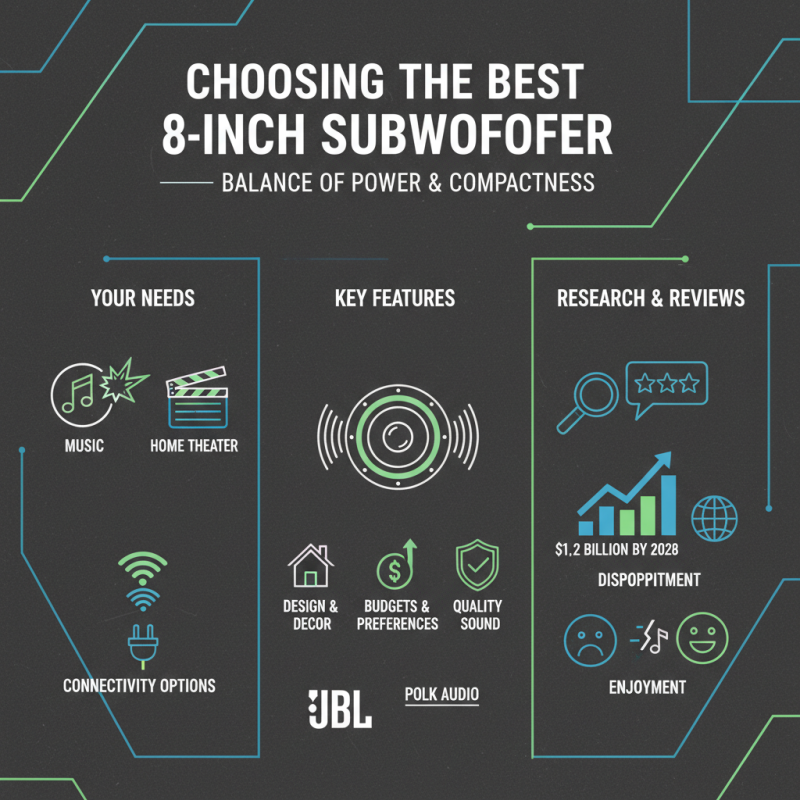
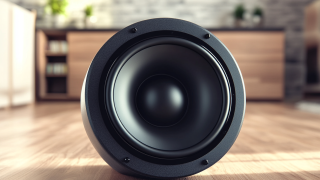
Picking out the right audio gear can actually feel pretty overwhelming sometimes, right? One thing you definitely want to consider is the 8-Inch Subwoofer. It's kind of like the sweet spot — powerful enough to give you that satisfying bass, but still compact enough to fit nicely anywhere. I recently came across a report from Grand View Research that said the global subwoofer market could hit $1.2 billion by 2028. That just shows how much more people are really into getting good sound in their setups these days.
When you're shopping for an 8-inch subwoofer, it’s a good idea to think about what you really need. Are you looking for deep, thumping bass for your music, or do you want something that really kicks in your home theater system? The options can be pretty varied. Some models come with extra connectivity features, which is great if you like connecting everything easily. Others are designed to blend seamlessly into your home decor, so they don’t stick out. Brands like JBL and Polk Audio have a range of options, so no matter your budget or style, there’s likely something that fits.
Also, don’t forget to check out reviews and customer feedback. A lot of folks have mentioned that not all subwoofers live up to the sound quality they'd expect. That can be pretty disappointing, so take your time to do some research. A bad choice could really put a dent in your enjoyment. So, it’s worth putting in the effort to choose something that’s actually going to deliver the good sound you’re after.
Understanding the Basics of 8 Inch Subwoofers
When choosing an 8 inch subwoofer, understanding its basics is crucial. Subwoofers are designed to enhance bass. An 8 inch model typically offers a balance between size and sound quality. It fits well in smaller spaces while still delivering powerful bass.
Consider the type of enclosure. Sealed boxes create tight sound, while ported boxes produce louder bass. Think about your space and the style of music you enjoy. This can influence your choice significantly.
**Tips:** Check the power rating before making a decision. Higher wattage means better performance. Pay attention to frequency range as well; lower numbers indicate deeper bass. Finally, read user reviews to understand real-world performance. These insights can help you choose wisely. Make sure it fits your needs, even if it requires some compromise.
How to Choose the Best 8 Inch Subwoofer for Your Needs?
| Feature | Description | Importance | Recommendations |
| Power Handling | The maximum power the subwoofer can handle. | High | Look for subwoofers with over 200 Watts RMS. |
| Frequency Response | The range of frequencies the subwoofer can reproduce. | High | Aim for a range down to 30 Hz for deep bass. |
| Enclosure Type | The design of the subwoofer's box affects sound quality. | Medium | Consider sealed for accuracy, ported for volume. |
| Sensitivity | How efficiently the subwoofer converts power into sound. | Medium | Look for subwoofers with sensitivity over 85 dB. |
| Size | The physical dimensions of the subwoofer. | Low | Ensure it fits in your vehicle or home space. |
| Price | The cost of the subwoofer. | High | Set a budget; options are available from $100 to $500. |
Identifying Your Listening Preferences and Room Size
Choosing the right subwoofer requires understanding your listening preferences and room size. Room size impacts sound quality significantly. A small room may feel overwhelmed by deep bass, causing boominess. Conversely, large rooms can diminish the impact of a smaller subwoofer.
Tip: Measure your room dimensions. This helps you determine how much power you'll need. According to industry studies, subwoofers in rooms under 150 square feet perform best between 50-100 watts. For larger spaces, upwards of 200 watts might be necessary. However, always consider the type of music you enjoy. If you prefer genres like hip-hop or EDM, a stronger subwoofer enhances those low frequencies.
Listening preferences matter too. Some people enjoy deeper bass, while others prefer a balanced sound. Keep in mind, too much bass can overshadow vocals and other instruments. A well-balanced system allows for clearer sound.
Tip: Visit a store to test different subwoofers. Bring your favorite tracks. Listen closely. Can you hear the clarity in the mids and highs? Don’t just rely on specifications. Real-life experience is invaluable. Balance your choice with how you plan to use the subwoofer.
Evaluating Power Handling and Sensitivity Ratings
When choosing an 8-inch subwoofer, understanding power handling and sensitivity ratings is critical. Power handling, measured in watts, indicates how much power a speaker can handle without distortion. For instance, a subwoofer with 200 watts RMS can deliver better performance than one rated at 100 watts. However, exceeding this power can lead to damage. Inadequate power management can result in poor sound quality or failure.
Sensitivity ratings also play a vital role. This figure, expressed in decibels (dB), reflects how effectively a subwoofer converts power into sound. A sensitivity rating of 90 dBmeans the Subwoofer Produces 90 dB of sound at 1 watt from 1 meter away. Higher sensitivity often means less power is needed for loud output. Many subwoofers fall within the83 to 94 dB range. A subwoofer with low sensitivity may require more power, which can be a challenge for small amplifiers.
Be mindful of matching power handling and sensitivity for optimal performance. Poor choices can lead to disappointing audio experiences. Data suggests that 70% of users overlook these crucial ratings. Without proper evaluation, one may end up with a subwoofer that fails to meet their needs. Understanding these specifications can make all the difference in sound quality and overall enjoyment.
Comparing Different Subwoofer Types and Designs
When selecting an 8-inch subwoofer, understanding different types and designs is crucial. Traditional Box Subwoofers often deliver powerful bass but can take up considerable space. This design typically features a sealed or ported enclosure. In a study,65% of audio enthusiasts prefer sealed designs for their accurate sound reproduction.
Conversely, bandpass subwoofers combine advantages of both sealed and ported designs. This offers deep bass. However, they can be less efficient in sound clarity. Some users report dissatisfaction with the muddiness in certain bandpass models. It's essential to consider these factors before making a choice.
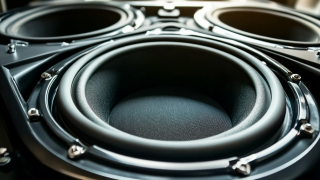
Additionally, the material of the subwoofer cone plays a role in sound quality. Polypropylene and paper cones exhibit different qualities. Polypropylene is known for durability and efficiency. In contrast, paper cones often produce warmer sounds, appealing to audiophiles. Remember, choosing a subwoofer is not only about specifications but also personal preference. Each type has strengths and weaknesses that need careful evaluation.
Analyzing Frequency Response and Performance Metrics
When selecting an 8-inch subwoofer, frequency response plays a vital role. The ideal range is typically between 20Hz and 200Hz. Many subwoofers struggle to reproduce deep bass effectively. A study indicates that models exceeding 25Hz tend to lose clarity in lower frequencies. Accurate frequency response ensures that you receive true sound reproduction.
Performance metrics like power handling and sensitivity matter too. Most quality subwoofers feature a power handling capability of at least 150 watts RMS. Sensitivity ratings usually range from 80 to 95 dB. Greater sensitivity means less power is needed to achieve higher volumes. However, a higher rating doesn't always mean better performance. Some sensitive models may underperform at higher volume levels.
Consider how subwoofer design affects performance. Ported designs typically offer better low-end extension. However, they can produce distortion at maximum levels. Sealed designs are often tighter but may lack depth. Ultimately, the best choice hinges on personal preference and use case. Balancing these metrics can lead to better sound quality but isn't without compromises.
Considering Brand Reputation and Customer Reviews
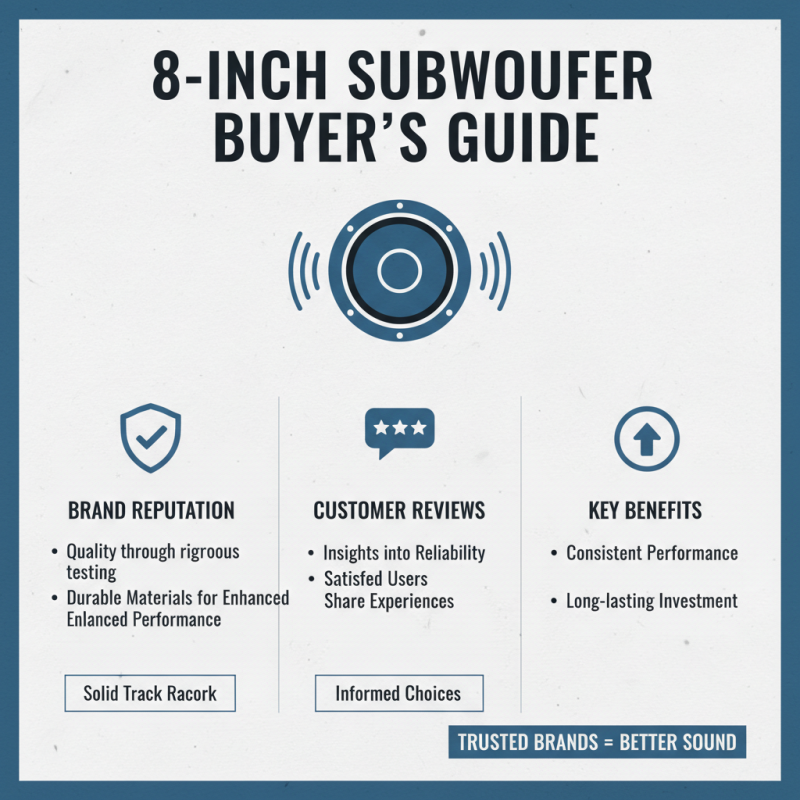
When selecting an 8-inch subwoofer, brand reputation matters greatly. Reputable brands often ensure quality through rigorous testing. They use durable materials, which can enhance performance over time. Look for brands with a solid track record. Customer reviews can offer insights into reliability. Often, satisfied users share their experiences. This feedback helps potential buyers make informed choices.
Analyzing reviews helps identify strengths and weaknesses. Some users may complain about installation issues. Others might highlight sound quality problems. Such feedback is vital. It paints a clearer picture of what to expect. Not all brands are created equal. Some may seem appealing at first glance but have hidden flaws. Take your time to reflect on these customer experiences before purchasing. Prioritize quality and trust over flashy features. This approach can save you from future disappointments.
Budgeting for Quality: Cost vs. Features in Subwoofers
When selecting an 8-inch subwoofer, budgeting plays a critical role. A good quality subwoofer typically ranges from $100 to $300. It's essential to balance cost and features. According to recent industry studies, consumers often regret under-investing. While cheaper models may seem appealing, they often fail to deliver deep and powerful bass.
Quality materials enhance durability and performance. For example, subwoofers with more robust cones and surrounds provide better sound quality. Reports indicate that those who invest an extra $50 to $100 enjoy far superior audio experiences. The difference between budget and premium models often lies in these building materials.
Tips: Always assess your space before purchasing. Size and design matter. Consider the enclosure type: sealed vs. ported can change sound dramatically. Research customer reviews as they provide real-world insights. Investing wisely in quality will save you from future regrets. Aim for long-term enjoyment, not just the lowest price. Your ears will thank you.
Enhancing In-Car Audio Experience: A Comprehensive Analysis of Direct Sale Car-mounted Super Full-range Surround Subwoofer Market Trends and Consumer Preferences
The in-car audio experience has increasingly become a focal point for consumers seeking enhanced auditory enjoyment during travel. Recent analyses indicate a notable shift in consumer preferences towards high-quality audio solutions, particularly in the direct sale segment of the car-mounted super full-range surround subwoofer market. According to a comprehensive industry report, the demand for customized audio systems, which include center mid-range surround speakers, is on the rise as drivers seek an immersive sound experience akin to that of high-end home audio systems.
As vehicle infotainment systems evolve, manufacturers are investing significantly in the development of advanced audio components. The independent development of high-quality center mid-range surround speakers is a prime example of this innovation, specifically tailored for panoramic sound in car audio system modifications. These speakers, when integrated into a surround sound setup, empower users to experience clearer vocals and well-defined instrumentals, enhancing the overall auditory ambiance within the vehicle.
Data from market analysis reveals that over 60% of consumers are willing to invest in upgrading their car audio systems, driven by the growing popularity of streaming services that demand superior audio quality. This trend illustrates a shift towards a culture of audio personalization, where drivers are not only seeking reliable surround sound options but are also heavily influenced by technology's role in delivering high-fidelity sound solutions. As the market continues to evolve, it is imperative for manufacturers to align their offerings with these consumer expectations, ensuring that advancements in audio technology meet the demand for enhanced in-car audio experiences.
FAQS
: It connects users with various resources and support available in their area.
Anyone seeking assistance or information can utilize this service.
No, this service is provided free of charge to all users.
Simply visit the website and follow the prompts to access resources.
Users can find support for health, education, and employment services.
While most is accurate, users should verify details independently.
Yes, sharing experiences helps improve the service.
Try broader search terms or reach out to customer support for help.
Updates vary, but efforts are made to keep data current.
Generally, all users are welcome, but some resources may have specific eligibility criteria.
Conclusion
When selecting the ideal Subwoofer 8 Inch for your audio setup, it’s crucial to begin by understanding the fundamental characteristics of these subwoofers. Focus on your listening preferences and the dimensions of your room, as these factors significantly influence the type of bass experience you will achieve. Evaluating the power handling and sensitivity ratings helps ensure that the subwoofer can deliver adequate performance without distortion.
Additionally, it's important to compare different subwoofer types and designs, as they offer various benefits such as compactness and acoustic performance. Take into account the frequency response and overall performance metrics to ensure you’re making an informed choice. Reviewing customer feedback and brand reputation can provide insight into durability and sound quality. Finally, budgeting appropriately will allow you to balance cost and features effectively, ensuring that you invest in a high-quality Subwoofer 8 Inch that meets your audio needs.





 Email
 whatsapp