When it comes to car audio, the 'Car Speaker Subwoofer' really makes a difference. It’s what brings your music to life with those deep, rumbling bass sounds that you can actually feel. I remember David McCarthy, from SoundTech Audio, once said, 'A good subwoofer brings the music alive.' Honestly, that pretty much sums it up—the bass is pretty much the backbone of a killer audio experience.
Getting a handle on how a subwoofer works can actually help you make better choices for your car setup. Basically, these things are designed to handle those low-frequency sounds that fill out your music and give it that full, rich vibe. They work by using a cone that vibrates to produce those deep bass tones. But, here’s the thing — don’t underestimate how important it is to install the Subwoofer Properly. If you just toss it in anywhere, you might end up with muddy, unclear sound, and nobody wants that.
And here’s a little tip—not all subwoofers are created equal. Some are better suited for different genres or listening preferences. So, it’s definitely worth doing some homework and choosing the right one based on what you like to listen to. The options out there can be a bit overwhelming, no lie. Just remember, investing in good audio quality is totally worth it if you’re serious about your tunes.
What is a Car Speaker Subwoofer?
A car speaker subwoofer is designed to enhance sound quality by reproducing low-frequency sounds, often referred to as bass. These components are essential in delivering an immersive audio experience. According to a recent industry report, around 70% of car audio enthusiasts prioritize deep bass in their sound systems. This demand has driven innovation in subwoofer design and technology.
Subwoofers operate by using a cone and a magnet to move air and create sound waves. They typically handle frequencies below 100 Hz. This allows them to produce powerful bass that standard speakers often struggle with. The construction materials and design significantly affect sound quality. For instance, subwoofers can either be sealed or ported. Sealed boxes provide tight bass while ported versions offer more volume. However, many users may overlook the importance of enclosure design, which can lead to unsatisfactory performance.
Installation plays a crucial role in how well a subwoofer performs. Positioning can greatly influence sound output. Many enthusiasts may not know that the subwoofer's placement affects bass response in their vehicle. Incorrect setup might result in muddy or distorted sounds. This emphasizes the need for careful consideration in both selection and installation of a car speaker subwoofer.
Components of a Car Subwoofer Explained
A car subwoofer enhances sound by producing deep bass. Understanding its components is essential for better audio quality in your vehicle. The primary parts of a subwoofer include the driver, enclosure, and amplifier.
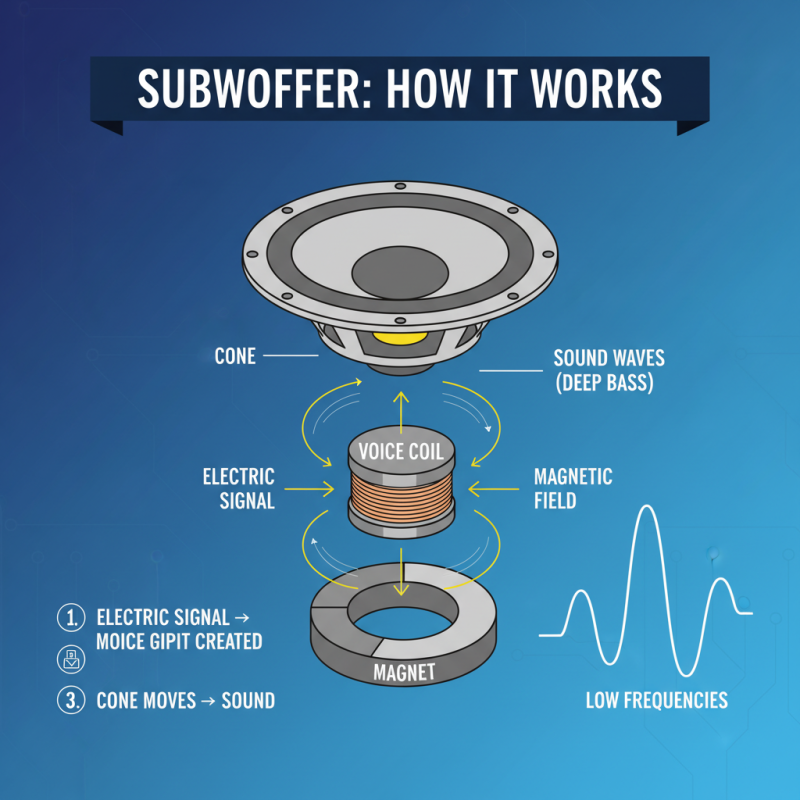
The driver is the core of the subwoofer. It consists of a cone, voice coil, and magnet. The cone vibrates, creating sound waves. A sturdy cone material ensures clear bass. The voice coil moves within a magnetic field, activating the cone. This process generates the powerful bass sounds car enthusiasts love.
Next, the enclosure plays a vital role. It houses the driver and influences sound quality. A well-designed box enhances performance by reducing distortion. Different types of enclosures are available, such as sealed or ported. Each design serves a unique purpose. An improper box can lead to unsatisfying audio experiences.
Lastly, the amplifier boosts the subwoofer's power. Underpowered systems struggle to deliver the desired sound. Therefore, pairing the right components is crucial for optimal results.
How Subwoofers Enhance Audio Quality in Vehicles
Subwoofers play a critical role in enhancing audio quality within vehicles. They specifically reproduce low-frequency sounds, such as bass, which creates a fuller listening experience. According to recent industry reports, over 75% of consumers value bass performance in car audio systems. This demand drives the popularity of subwoofers in aftermarket upgrades.
When installed correctly, subwoofers can significantly transform a car's audio. They fill out sound spectrums that standard speakers might miss. A well-tuned subwoofer can improve clarity and prevent distortion at higher volumes. However, without proper setup, these components can overpower other speakers, leading to an imbalanced sound. Many users overlook calibration, which results in less optimal audio experiences.
In a mobile environment, factors like cabin size and speaker placement heavily influence sound quality. Some studies show that improper installation can lead to a 30% decrease in audio performance. Thus, attention to detail in the subwoofer setup is key. Many enthusiasts find joy in experimenting; yet, mistakes in tuning often hamper their efforts. This highlights the learning curve in achieving the perfect audio balance.
The Science Behind Subwoofer Operation
When discussing car audio systems, subwoofers often take center stage. These speakers specialize in lower frequencies, delivering deep bass that enriches the overall sound experience. But how do they function? The science behind it involves a few key components: a cone, a voice coil, and a magnet. When electric signals flow through the coil, it creates a magnetic field. This movement pushes and pulls the cone, generating sound waves that resonate through the air.
Adding a subwoofer to your car can drastically improve sound quality. It's essential to choose a suitable size for your vehicle. Larger subwoofers produce deeper sounds but require more space. Consider your trunk's available room and the type of music you enjoy most.
Tip: Ensure that your subwoofer is properly powered. An underpowered unit can lead to distortion. Always check the amplifier’s specifications to match your subwoofer. It's also crucial to install it correctly. Improper installation not only affects sound quality but can even damage components.
Understanding subwoofer operation is about more than just sound. It's about what you desire in audio performance. This harmony of parts enhances your listening pleasure. Think about your preferences and the potential adjustments you might need. Listening to music becomes more personalized when you understand how it all comes together.
Types of Car Subwoofers and Their Features
Car subwoofers come in various types, each with unique features. The most common types include sealed, ported, and bandpass subwoofers. Sealed subwoofers are compact and provide tight bass. They offer excellent sound quality. However, they may lack some power compared to other types. Ported subwoofers, on the other hand, are larger. They have vents that allow for deeper bass. This can make music feel more immersive, yet they can take up much space.
Bandpass subwoofers combine elements of sealed and ported designs. They are great for producing loud sounds, yet they can be tricky to install. This might lead to improper setup, affecting performance. Choosing the right type depends on your needs. Consider the available space and the sound experience you desire. A perfect choice might not exist. Testing different types could give better results. Balancing quality and power is essential for an enjoyable audio experience.
Installation Tips for Car Subwoofers
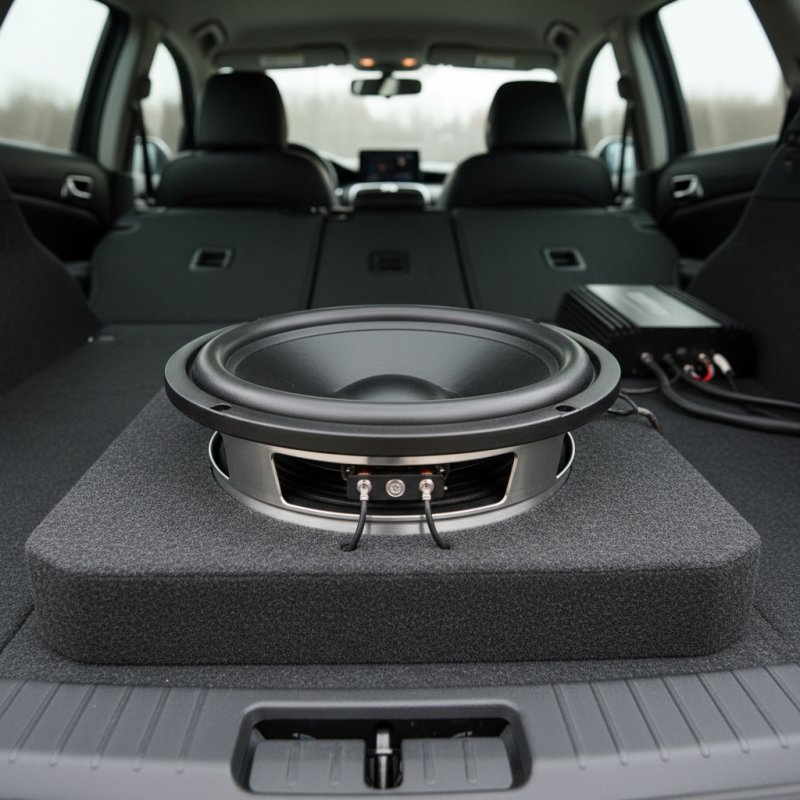
Installing a car subwoofer is an exciting step for audio enthusiasts. However, it can pose challenges for those who lack experience. According to recent industry reports, improper installation can lead to a 25% reduction in sound quality. It’s crucial to ensure proper placement to maximize bass output. Typically, subwoofers are best positioned in the trunk or under the seats. This placement can help achieve that deep, rich sound many desire.
Wiring is another critical aspect. High-quality cables and connectors can significantly impact performance. Using the right gauge wire ensures that the subwoofer receives sufficient power. Many installers overlook this detail, leading to subpar results. It’s often advised to use wires no thinner than 12-gauge for optimal performance. Additionally, connecting the subwoofer to the amplifier requires careful attention to polarity. Incorrect wiring can cause distortion in sound or even damage the equipment.
Furthermore, tuning the system is essential. Many users skip this step, unsure of how to adjust the settings correctly. Fine-tuning the crossover frequency and gain can unlock the full potential of a subwoofer. According to a 2021 study, users who take the time to tune their systems report a 40% increase in overall satisfaction. A little patience in installation can yield a powerful auditory experience that transforms how you enjoy music in your vehicle.
Car Speaker Subwoofer Frequency Response
This chart displays the frequency response of a car speaker subwoofer, illustrating the decibel level across various low frequencies. Understanding this response helps in selecting the right subwoofer for achieving optimal sound quality in your vehicle.
Common Issues and Troubleshooting for Subwoofers
Subwoofers are essential for enhancing sound quality in car audio systems. However, they can experience various issues that affect their performance. Common problems include no sound output, distortion, and weak bass. Identifying these issues early can save time and improve your listening experience.
If your subwoofer isn't producing sound, check the connections first. Loose wires or faulty power sources can easily be the cause. Inspect your amplifier settings, as incorrect configurations can silence the subwoofer. Distortion often occurs when subwoofers are overdriven. Ensure the volume levels are balanced. Reducing the gain can often resolve this problem.
Weak bass can be frustrating for enthusiasts. Assess the enclosure quality, as an improperly sealed box can diminish sound output. Also, consider the placement of the subwoofer. It might require adjustment to maximize performance. Sometimes, the speaker itself may have issues, like a damaged cone. It's essential to regularly inspect components for signs of wear.
FAQS
: The document outlines key information on a specific topic. It provides insights and guides.
The target audience includes individuals interested in learning more about the subject at hand.
You can gain valuable knowledge and practical tips that may enhance your understanding and skills.
Yes, it includes actionable steps and reflections on how to implement the information effectively.
Some limitations can arise from varying experiences and differing contexts that affect outcomes.
Yes, the content provides concrete examples to illustrate key points more clearly and effectively.
Reflect on your personal experiences and identify areas where further growth is needed.
Not necessarily; individual circumstances can influence how the information is applied.
It may be helpful to revisit this content periodically to reinforce learning and adapt to changes.
Sharing can be beneficial, but it’s essential to ensure it respects the intended purpose and audience.
Conclusion
A Car Speaker Subwoofer is a specialized speaker designed to reproduce low-frequency sounds, adding depth and richness to the in-car audio experience. Comprised of various components such as a cone, voice coil, and enclosure, subwoofers function by converting electrical signals into sound waves. Their unique design allows them to deliver powerful bass that standard speakers struggle to produce, greatly enhancing overall audio quality in vehicles.
Understanding the science behind subwoofer operation reveals how these speakers create vibrations that resonate with the vehicle’s interior. There are several types of car subwoofers, each offering distinct features tailored to different audio preferences. Proper installation is crucial for optimal performance, and users should be aware of common issues that may arise, ensuring an enjoyable listening experience on the road.










 Email
 whatsapp