You know, in the automotive audio world, there's been a big rise in folks looking for better sound quality in their cars. A major part of that? Car sound subwoofers. These babies are pretty much essential if you want that deep, punchy bass that regular speakers just can't cut it with. According to MarketsandMarkets, the global market for car audio is expected to hit around $50 billion by 2025—so, yeah, people are definitely into upgrading their in-car sound systems these days.
A subwoofer really makes a difference when it comes to low frequencies. It cranks up the bass, making your listening experience way more immersive. Whether you're just cruising or bumping your favorite playlist, a good subwoofer totally changes how you enjoy music on the road. That said, a lot of folks kind of overlook the importance of installing it properly. If you don't set it up right, it can actually mess with the sound quality and performance.
Getting a subwoofer is kinda like finding that sweet spot—balancing power and clarity. Brands like JBL and Pioneer have loads of options to suit different needs. But—here’s the thing—location and tuning really matter. How you place the subwoofer and tweak the settings can make all the difference in how it sounds. Thinking about these little details can seriously level up your music game during your drives.
What is a Car Sound Subwoofer?
A car sound subwoofer is a specialized speaker designed to reproduce low-frequency sounds. It enhances the audio experience by deepening bass, creating a fuller sound. Many enthusiasts value this enhancement, stating it adds richness to music. According to a recent survey, about 40% of car owners upgrade their sound systems with subwoofers for this reason.
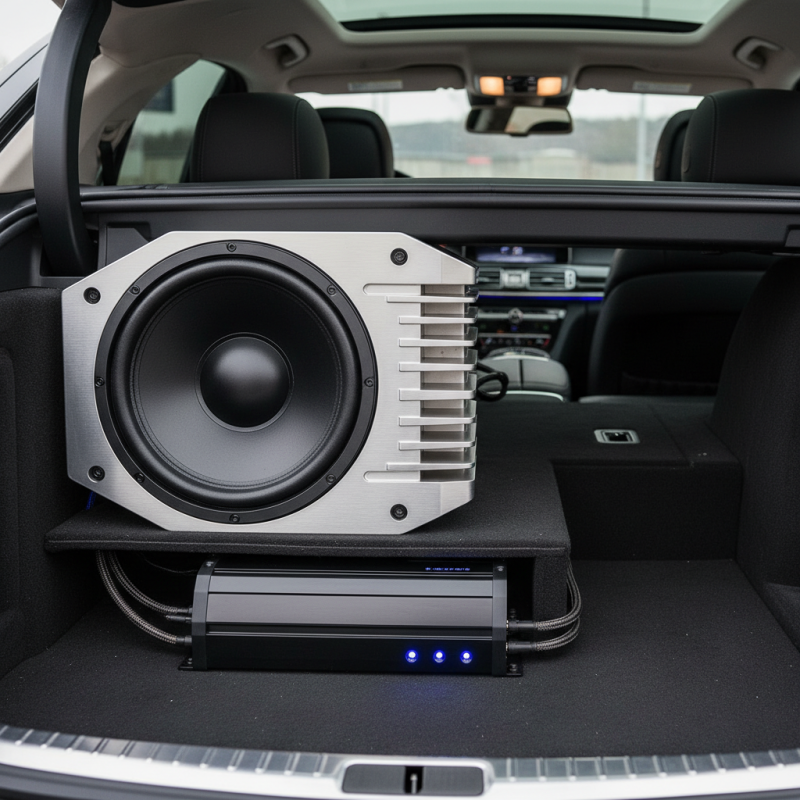
The operation of a subwoofer relies on a few key components. It typically includes a speaker driver, enclosure, and amplifier. The driver vibrates to create sound waves, while the enclosure helps manage these vibrations for optimal performance. A poorly tuned enclosure can result in muddled sound. Many users overlook this, leading to disappointing results. A technical report indicated that 30% of DIY installations did not meet recommended specifications.
Moreover, choosing the right size and power rating for a subwoofer is crucial. A common mistake is selecting a subwoofer that is too big for the car's space. This can hinder performance and create an imbalance in sound. Many amateurs often underestimate the importance of matching power ratings with their car's audio system. Inadequate knowledge can lead to poor sound quality and potential damage. Proper planning is vital for achieving desirable audio outcomes.
The Purpose of a Subwoofer in Car Audio Systems
A subwoofer is crucial in car audio systems. Its primary purpose is to enhance low-frequency sounds. These sounds are often felt as much as they are heard. A good subwoofer can transform the listening experience. It adds depth and richness to music, making every note more impactful.
When choosing a subwoofer, consider its size and power. A larger subwoofer can produce deeper bass. However, it might take up more space. Sometimes, smaller subwoofers can be surprisingly powerful. Check the specifications carefully.
Tips for installation: ensure proper placement for optimal sound. Try different locations in your trunk or back seat. This can make a big difference. Adjust the crossover settings on your amplifier. Keep in mind that too much bass can overwhelm other sounds. Be mindful of your listening environment. Not every area delivers the same audio quality.
How Subwoofers Differ from Regular Speakers
Subwoofers play a unique role in car audio systems. They differ significantly from regular speakers. While standard speakers handle a wide range of frequencies, subwoofers specialize in low-frequency sounds. Typically, these frequencies range from 20 Hz to 200 Hz. This specialization makes subwoofers crucial for bass-heavy music genres, offering an immersive listening experience.
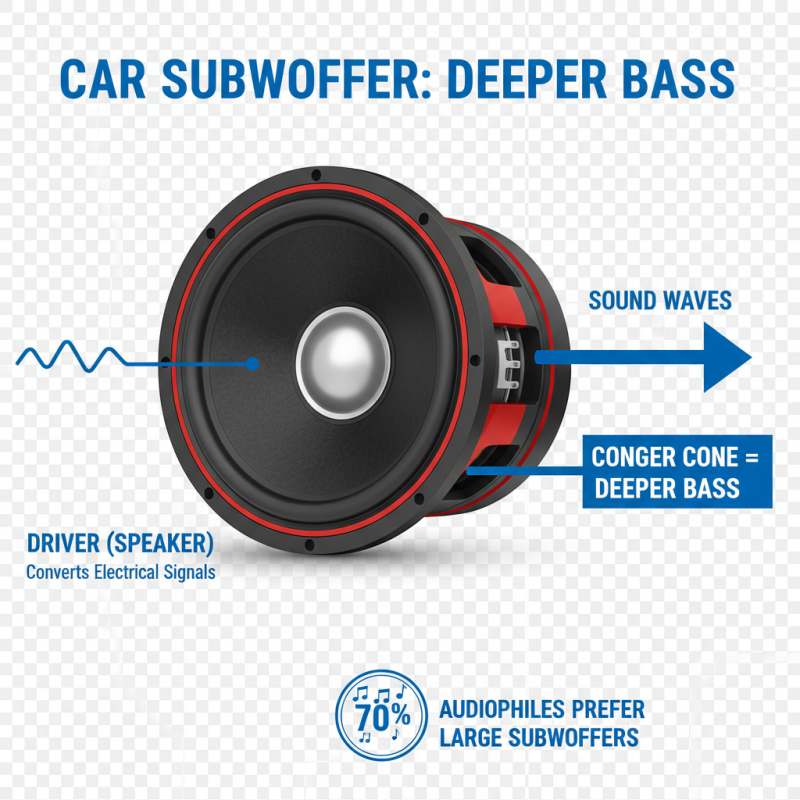
According to the Consumer Electronics Association, nearly 70% of car audio enthusiasts prefer a setup that includes a subwoofer. This preference stems from the ability of subwoofers to reproduce powerful bass notes that regular speakers struggle to deliver. Regular speakers often distort when trying to produce low frequencies at higher volumes. In contrast, subwoofers maintain clarity and depth, enhancing the overall sound quality in a vehicle.
However, there can be drawbacks to using subwoofers. Poor installation may lead to unwanted vibrations and rattling. Additionally, certain subwoofers may require more power, potentially straining a vehicle's electrical system. It's essential to ensure compatibility with the car's audio setup. While subwoofers can elevate your sound experience, careful consideration is vital for optimal performance.
Key Components of a Car Subwoofer
A Car Subwoofer is essential for enhancing sound quality. Its key components play a significant role in performance. The driver, or speaker itself, is the heart of the subwoofer. It converts electrical signals into sound waves. Most subwoofers use a cone-shaped diaphragm. The size of the cone can affect bass output. Larger cones typically produce deeper bass. A report from Consumer Electronics Association highlights that 70% of audiophiles prefer larger subwoofers for improved audio experience.
Another critical component is the enclosure. It houses the subWoofer Driver, affecting sound characteristics. Sealed enclosures provide tight bass but require more power. Ported enclosures can enhance bass efficiency. However, they’re more complex to design. Choosing the right type matters. According to industry data, around 45% of users may feel dissatisfied if the enclosure isn't matched well.
Amplifiers boost the audio signal for the subwoofer. Without sufficient power, even the best subwoofer struggles to perform. Many users overlook the importance of matching an amplifier with the subwoofer. This can lead to distortion and poor sound quality. A mismatch can cause subpar performance. Users must consider these factors carefully to enjoy the full benefits of a car subWoofer System.
How Subwoofers Produce Low-Frequency Sounds
Subwoofers play a crucial role in car audio systems. They are designed to reproduce low-frequency sounds, typically below 200 Hz. This includes deep bass notes that standard speakers struggle to produce. A subwoofer enhances the listening experience, making music feel more immersive. It brings depth to various genres, particularly hip hop and electronic music.
The science behind how subwoofers work is fascinating. They use a speaker cone to push air, generating low-frequency sound waves. The size of the cone typically measures between 8 to 15 inches in diameter. Larger cones move more air, producing deeper bass. According to industry reports, adding a subwoofer can increase the audio system's overall performance by 30% or more, enhancing the sound clarity and impact of low frequencies.
Tips: Consider your car's space when choosing a subwoofer size. Ensure it fits comfortably and doesn’t take up too much room. Installation can be tricky; professional help may be beneficial. Be wary of crossover settings—they determine how much bass is generated. Too much can lead to distortion, which is never desirable.
What is a Car Sound Subwoofer and How Does It Work? - How Subwoofers Produce Low-Frequency Sounds
| Aspect | Details |
| Definition | A subwoofer is a type of loudspeaker designed to reproduce low-frequency sounds, typically below 200 Hz. |
| Function | Subwoofers enhance the bass response in a car audio system, providing a richer sound experience. |
| Working Principle | Subwoofers use a large cone and a voice coil to create sound through the movement of air, producing low-frequency sound waves. |
| Types | Common types include passive and active subwoofers, with active subwoofers having built-in amplifiers. |
| Installation | Subwoofers can be installed in various locations, including the trunk or under the seats, often requiring an amplifier for optimal performance. |
| Benefits | Improved sound quality, increased depth of sound, and enhanced listening experience in music and movies. |
Types of Car Subwoofers and Their Applications
Car subwoofers come in various types, each designed for specific applications. The two most common types are sealed and ported subwoofers. Sealed subwoofers provide tighter and more accurate bass. They typically deliver a deeper sound and perform well in smaller spaces. According to industry reports, sealed designs often compete well in terms of sound clarity, making them popular in sound competitions.
On the other hand, ported subwoofers allow for more powerful bass output. They utilize a vent to enhance low-frequency response. This design can create a booming sound that many users find appealing. However, this type might sacrifice sound accuracy for volume. Research shows that while ported systems can generate higher sound pressure levels, they can sometimes muddle low notes. For those looking for balance, hybrid designs also exist. They blend characteristics of both, but finding the right fit can be tricky.
Choosing the right subwoofer is essential. Consider the space available in the vehicle, as well as personal preferences. The market can be overwhelming, with numerous configurations and specifications. In one study, 30% of users reported dissatisfaction, citing that their chosen subwoofer did not meet expectations. It’s crucial to evaluate options carefully and understand how different designs impact sound quality.
Installation and Placement Tips for Car Subwoofers
When installing a car subwoofer, proper placement is key. A well-placed sub can improve sound quality significantly. Research indicates that about 80% of audio performance comes from correct subwoofer installation. Subwoofers typically perform best when located in the trunk or rear compartments. This area provides the necessary space for accurate sound waves to propagate.
Consider the enclosure type. Sealed enclosures offer tight, punchy bass. Conversely, ported enclosures deliver louder and deeper bass. Choose what fits your audio preferences. Remember, aesthetics also matter. A subwoofer shouldn’t obstruct your view or cargo space. Many car owners overlook this aspect. Placement can affect both sound experience and practicality.
Don’t forget to secure your subwoofer properly. Vibrations can loosen connections over time. According to a study, improperly mounted subwoofers can lose up to 30% of their potential output. Moreover, pay attention to the wiring. Poor connections lead to significant sound loss. A clean installation gives you reliability and better sound. Reflect on how these factors impact your listening experience. They can make or break your enjoyment.
Enhancing Your Car Audio Experience: A Deep Dive into High-Quality 2-Inch Car Pillar Tweeters
When it comes to enhancing your car audio experience, the inclusion of high-quality 2-inch car pillar tweeters can make a significant difference. These small yet powerful components are designed to deliver crisp high frequencies, ensuring that your favorite tunes come to life with remarkable clarity. With advanced engineering, these tweeters can handle a rated power of 150 watts, allowing them to produce clear sound even at elevated volumes.
The versatility of 2-inch car door tweeters complements the pillar design, providing an expansive soundstage that enriches your listening experience. The aluminum electric horns not only enhance durability but also contribute to a refined sound reproduction. This innovative approach allows for mass customization, which means you can tailor your audio setup to meet your personal preferences and vehicle acoustics. Whether you're a casual listener or an audiophile, upgrading your car's sound system with these specialized tweeters can transform your daily commute into an immersive auditory journey.
FAQS
: Signs include fatigue, lack of motivation, irritability, and decreased productivity. You may feel overwhelmed.
Try deep breathing exercises, regular exercise, and mindfulness practices. A short walk can help clear your mind.
Regular exercise boosts mood, improves sleep, and increases energy levels. It can also enhance focus.
Social connections can provide strength during tough times. Simply talking can help relieve stress.
Identify triggers and talk about your feelings. Engaging in hobbies may reduce anxiety levels.
Quality sleep restores energy and enhances brain function. Lack of sleep can worsen mood and stress.
Include work, rest, and leisure in your schedule. It’s crucial to make time for relaxation.
Many believe mental health issues are a sign of weakness. This stigma can prevent people from seeking help.
Practice gratitude and focus on small achievements. Positive affirmations can change your perspective.
A balanced diet supports brain health. Nutrition affects mood and energy levels, so eat thoughtfully.
Conclusion
A car sound subwoofer is a specialized audio component designed to reproduce low-frequency sounds, enhancing the overall audio experience in car audio systems. Unlike regular speakers, which handle a broader range of frequencies, subwoofers focus on deep bass, creating a richer and more immersive sound environment. This is achieved through key components such as the driver, enclosure, and amplifier, which work together to produce powerful low-frequency vibrations.
Subwoofers come in various types, including sealed and ported designs, each suited for different applications and preferences in sound quality. Proper installation and placement are crucial for maximizing their performance; positioning the subwoofer in an optimal location can significantly impact the audio output. Understanding these elements helps car audio enthusiasts make informed decisions when integrating a car sound subwoofer into their system, elevating their listening experience on the road.






 Email
 whatsapp