Looking ahead to 2026, picking out the right subwoofer for your car can really make a huge difference in your audio experience. Honestly, good sound quality can totally change the way you enjoy driving — making every trip feel more fun and immersive. That said, not all subwoofers are created equal, and there are a few things to keep in mind like size, how much power they can handle, and their frequency range.
Brands like Rockford Fosgate and JL Audio are pretty popular because they’re known for their reliability. Plus, they offer models that work well for different car sizes and personal taste in sound. One tip? Make sure to match your subwoofer with the right amplifier — it makes a big difference in how everything sounds. Sometimes folks overlook how important compatibility is, and that can really affect the overall sound quality.
Even with all these tech advancements, there can still be some hiccups — like fitting a subwoofer in a smaller car or dealing with units that need more power than you thought. Doing your homework and planning ahead can save you from buyer’s remorse later on. It’s also super helpful to read reviews and maybe even chat with a pro before making a final decision. Trust me, a little research goes a long way in helping you find the perfect subwoofer for your setup.
What is a Subwoofer and How Does It Function in a Car?
A subwoofer is an essential component for any car audio system. It specializes in reproducing low-frequency sounds, usually below 200 Hz. A good subwoofer enhances the overall musical experience, providing depth and richness that standard speakers often lack. According to a 2021 report by the Consumer Electronics Association, nearly 80% of car audio enthusiasts believe that a quality subwoofer significantly improves sound quality.
In a car, subwoofers function by converting electrical signals into sound waves through a cone. This process requires an enclosure that dictates how the sound will project. A sealed box provides tight bass, while a ported box allows for louder output. An industry study suggests that the design of the box can influence sound performance by up to 30%. The placement of the subwoofer also matters. Improper positioning can lead to sound distortion and an underwhelming experience.
Factors such as power handling, sensitivity, and enclosure type are crucial when selecting a subwoofer for your car. Power handling determines how much power the subwoofer can take without distortion. Sensitivity reflects how effectively the subwoofer converts power into sound. Yet, many users mistakenly overlook these specifications, leading to unsatisfactory results. Understanding these details ensures that you make an informed choice for a richer and more immersive audio experience.
Best Subwoofer for Car in 2026 - What to Consider?
| Feature | Importance | Recommended Specs | Price Range ($) |
| Size | Affects sound depth and clarity | 10-15 inches | 100 - 600 |
| Power Handling | Determines volume and performance | 200-1000 Watts RMS | 150 - 800 |
| Type | Influences sound quality and design | Sealed vs Ported | 50 - 200 |
| Sensitivity | Lower power needs for high output | 85 dB or higher | 100 - 300 |
| Frequency Response | Shows bass range capabilities | 20 - 200 Hz | 80 - 400 |
Key Features to Look for in a Car Subwoofer
When searching for the best subwoofer for a car, several key features must be considered. Power handling is crucial. The ideal subwoofer should manage at least 300 watts RMS for a good balance of sound quality and volume. A higher RMS rating indicates better performance under heavy use. Effective power management allows for more profound bass without distortion.
Another vital aspect is frequency response. A subwoofer should reproduce low frequencies accurately. The optimal range often falls between 20 Hz to 200 Hz. This range provides rich, deep bass that enhances overall audio experience. Many reputable studies highlight that listeners prefer a frequency response extending below 30 Hz. This depth brings realism to music and movies alike.
Portability is also an essential factor. A subwoofer’s size can impact installation and space. Compact models, while often less powerful, might fit better in smaller vehicles. Some reports suggest that most consumers look for balance between size and audio performance. Choosing the right size could require some trial and error. Thus, understanding personal needs and vehicle dimensions is necessary for a satisfactory audio experience.
Types of Car Subwoofers: Understanding Your Options
When choosing a Car Subwoofer, understanding the types available is critical. Subwoofers typically fall into two categories: active and passive. Active subwoofers come with built-in amplifiers. This feature makes installation easier and is a convenient option for beginners. On the other hand, passive subwoofers require an external amplifier, providing flexibility for seasoned users seeking custom setups.
Another important aspect is the size. The most common sizes range from 8 to 15 inches. According to a recent industry report, subwoofer size significantly impacts sound quality and bass response. A 10-Inch Subwoofer often balances performance and space efficiently. However, larger models, while capable of delivering deeper bass, can dominate the trunk area. Each size offers unique pros and cons that should be matched to individual needs.
Finally, power handling and sensitivity ratings are critical. A higher power handling rating usually means the subwoofer can deliver louder and cleaner sound. Sensitivity measures how effectively it converts power into sound. Ideally, a subwoofer should have a sensitivity rating above 85 dB to ensure good audio performance in a car environment. Recognizing these options and specifications equips buyers with a stronger decision-making process. Understanding the technical aspects can prevent costly mistakes and enhance the driving experience.
Factors Affecting Subwoofer Performance in Vehicles
When it comes to selecting the best subwoofer for your car, several factors come into play. The enclosure type is crucial. A sealed box provides tight sound but may lack volume. A ported box, on the other hand, enhances output but can blur the clarity. Understanding your sound preferences will guide your choice.
Power handling also affects performance. Subwoofers are rated in watts. Higher wattage means better handling of bass frequencies. However, more power requires an upgraded car audio system. You may face issues if your amplifier can't match the subwoofer's demands. It's essential to balance power and compatibility.
Installation plays a significant role in performance. A poorly mounted subwoofer won't deliver the desired sound quality. Aim for a secure fit and appropriate placement within the vehicle. Experimenting with different positions can yield surprising results. Each car has a unique acoustical environment. Listen carefully to find what works best for you.
Top Brands and Models for Car Subwoofers in 2026
When looking for the best subwoofers for cars in 2026, it's crucial to know the top brands and models. Subwoofers enhance sound quality and provide that deep bass many drivers crave. Some brands prioritize power, while others focus on sound clarity. This variety can lead to confusion. It’s important to assess your needs carefully.
Popular models often vary in size and design. Larger subwoofers can deliver more powerful bass, while compact models may fit better in tight spaces. Pay attention to wattage and sensitivity ratings. These specifications can dramatically impact sound performance. Some drivers might find that high-end models can sometimes lack the punch expected.
When shopping, take time to read customer reviews and expert opinions. This can provide insights into durability and performance. Sometimes, the most advertised brand may not suit your specific vehicle. Always trust reliable sources for guidance. Experiment with various settings in your car to find the ideal sound experience. Remember, not all options will satisfy everyone’s taste. It’s a journey of exploration.
Installation Considerations for Car Subwoofers
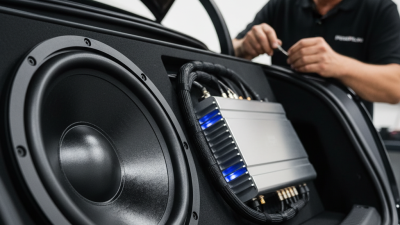
When considering subwoofer installation in your car, various factors come into play. The space available is crucial. Many vehicles have limited room, making careful planning essential. The subwoofer's size can impact how well it fits. A well-fitted subwoofer reduces rattling and enhances sound quality. According to a 2023 industry report, improper installation can lead to a 20% decrease in audio performance.
Wiring is another key consideration. Using quality cables may prevent electrical issues. In contrast, low-quality wiring can lead to power loss. Ensuring proper gauge size is also vital for connectivity. An undersized wire can overheat, which poses safety risks. Furthermore, investing time to secure connections can pay off in better sound output.
Enclosure type can significantly affect sound quality. Sealed enclosures provide tight bass but may lack volume. Ported enclosures offer increased bass but can be trickier to install. Evaluating your car's acoustics is crucial before deciding. The location of the subwoofer matters as well. A poorly placed subwoofer can result in uneven sound distribution.
Best Subwoofer Features Consideration for Cars in 2026
Budgeting for a High-Quality Car Subwoofer and Accessories
When budgeting for a high-quality car subwoofer, several factors come into play. First, consider the subwoofer size. The size can greatly impact sound quality and volume. Typically, subwoofers range from 8 to 15 inches. A larger subwoofer may produce deeper bass but can also cost more. According to industry reports, investing in a 10-inch subwoofer can satisfy most users and balance sound quality with cost-effectiveness.
Next, account for additional accessories. This includes amplifiers, wiring kits, and enclosures. Allocating funds for an amplifier is crucial, as it enhances the performance of the subwoofer. A quality amplifier can cost between $150 and $300. Moreover, using an appropriate enclosure affects sound quality drastically, and a decent one can range from $50 to $200. Thus, a budget of around $500 to $1,000 is common for a high-quality subwoofer setup.
Finally, don’t underestimate the importance of installation. Professional installation can optimize sound performance. This may add another $100 to $300 depending on complexity. Balancing cost with desired sound quality is essential. Many enthusiasts recommend not compromising on subwoofer quality, but reflect on total expenditure to ensure it aligns with your audio goals.
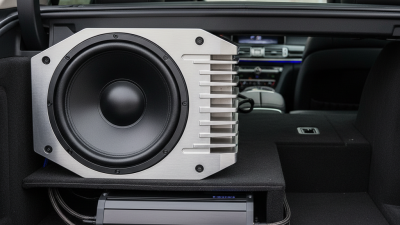
Revolutionizing Car Audio with the TLS-12: The Ultimate 12-Inch Kilowatt Level Active Subwoofer
The TLS-12 stands at the forefront of automotive audio innovation, transforming the car audio experience with its unprecedented capabilities. This ultimate 12-inch kilowatt level active subwoofer does not merely enhance sound; it completely redefines what is possible in the realm of in-car acoustics. By pushing the frequency response down to an astounding 20Hz, the TLS-12 delivers deep, resonant bass that traditional subwoofers struggle to reproduce, achieving a sonic landscape previously thought unattainable.
Crafted with unparalleled engineering, the TLS-12 incorporates a military-grade power architecture that provides a remarkable 600W rated power and a peak output of 1300W. This power is akin to turbocharging for sound waves, allowing every bass note to hit with force and clarity. The innovative D-class digital amplifier module not only delivers powerful performance but also maintains less than 1.0% total harmonic distortion, ensuring that the sound remains crystal clear even at high volumes. The included circuit protection system, featuring a 30A fuse, guarantees stability under the most demanding conditions, making it a reliable choice for audio enthusiasts who refuse to compromise on quality.
FAQS
: Assess your needs, focusing on power and sound clarity. Some models prioritize one over the other.
Larger subwoofers typically produce more powerful bass. Compact models may fit better in limited spaces.
These ratings directly impact sound performance. Higher ratings usually mean better sound quality.
Poor installation can decrease audio performance by up to 20%. Ensure proper fitting to enhance sound quality.
Quality wiring prevents electrical issues. Low-quality wiring can cause power loss and impact overall sound output.
Sealed enclosures offer tight bass but less volume. Ported enclosures provide increased bass but are harder to install.
Experimenting helps you find the best sound experience. Not every option will suit your taste.
Poorly placed subwoofers can lead to uneven sound distribution. This can diminish the overall listening experience.
Yes, customer reviews provide valuable insights. They can help assess durability and performance before making a choice.
Secure connections and use quality cables. Improper connections can lead to diminished sound quality.
Conclusion
A subwoofer for car is an essential component for any audio enthusiast looking to enhance their listening experience. Understanding what a subwoofer is and how it functions within a vehicle is the first step in making an informed purchase. Key features to consider include power handling, frequency response, and enclosure type, which all play a significant role in sound quality. It's important to be aware of the different types of car subwoofers available and the factors that can affect their performance, such as vehicle size and acoustics.
When selecting a subwoofer for car, potential buyers should also consider the installation process and budget for both the subwoofer and any necessary accessories. With a variety of brands and models to choose from in 2026, finding the right option tailored to individual preferences and requirements can greatly enhance the overall audio experience while driving.





 Email
 whatsapp

