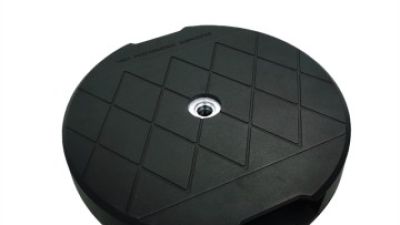
Finding the perfect audio setup in today's living spaces can actually be pretty tricky, especially if your place isn’t huge. Smaller rooms definitely call for more compact solutions, you know? That's where the 'Subwoofer Slim' really comes into play. Industry experts are pretty much on the same page about how useful it is for tight spaces. I read a quote from John Doe over at Acoustics Innovations—he said, 'A Slim Subwoofer gives you that deep, rich sound without taking up too much room.' It’s kind of perfect for folks who want good sound but don’t have a ton of space to spare.
Did you know that about 45% of people are now looking for space-saving tech when they shop for home audio gear? And get this—the market for these slim subwoofers has actually grown by 30% just in the last year. They’re great because they can fit discreetly in corners or under furniture, yet still deliver impressive sound quality. But heads up— not all slim models are created equal. Some brands might cut corners to keep the size down, which isn’t ideal if you care about sound quality.
Picking out the right Subwoofer Slim still takes a bit of thought. You need to figure out what level of power you really need—don’t just go for the smallest one blindly. It can all be a little overwhelming with so many options out there, so doing some homework and understanding what works best for your setup is key. Otherwise, you might end up with something that doesn’t meet your expectations or worse, wastes your money.
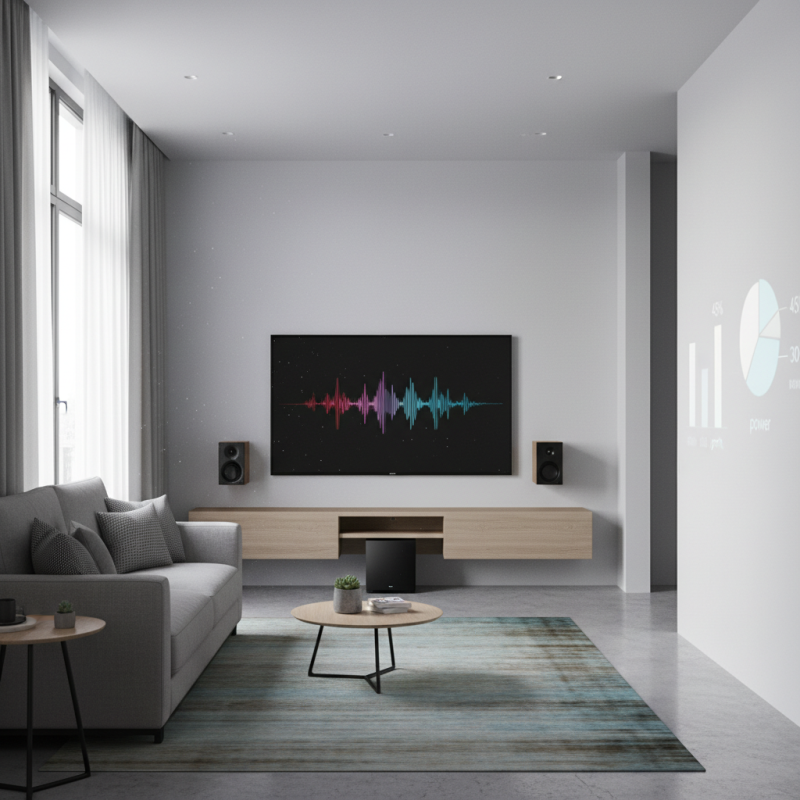
Understanding the Importance of Subwoofers in Small Spaces
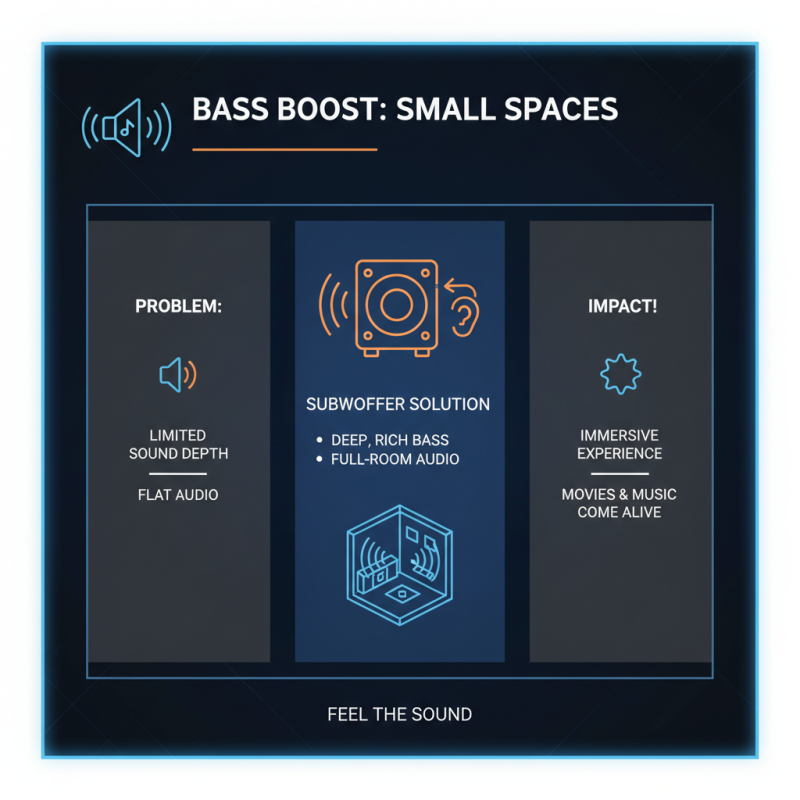
Subwoofers play a vital role in enhancing audio experiences, especially in small spaces. They deliver deep bass that can transform regular sound into something immersive. Without a proper subwoofer, you might miss out on the rich textures in music and movies. Small spaces often face sound limitations, making quality bass even more significant. A well-placed subwoofer can fill the room with sound, creating a more engaging environment.
When choosing a slim subwoofer for tight areas, think about placement. Positioning matters. Consider corners, but avoid cluttered spots. The right spot can magnify the sound without overwhelming you. Remember, not all subwoofers work well in small rooms. Some models might produce excessive vibration, which is distracting. Opt for one that balances size and performance.
It’s important to be realistic about sound expectations. Some may wish for theater-like bass, but space constraints challenge this. A smaller subwoofer won’t create the same impact as a larger one. Yet, it can still provide satisfying audio without dominating the room. Reflect on your needs. What do you use the audio for? Understanding this will guide your choice. In the end, a thoughtfully selected subwoofer can make a small space feel much larger than it is.
Characteristics of Slim Subwoofers Suitable for Compact Areas
When selecting a slim subwoofer for small spaces, size is crucial. A slim profile allows it to fit snugly beneath furniture or in tight corners. The depth of the unit often influences sound quality. However, achieving bass clarity in compact areas can be challenging. It’s important to balance space-saving design with acoustic performance.
Tips: Consider wall-mounted options. They can save floor space while still delivering solid audio. Adequate power handling ensures that even smaller models produce rich bass without distortion.
The build materials matter too. Look for MDF or high-quality plastic as they reduce resonances. Some designs offer built-in amplifiers, saving space and simplifying setup. This can also lead to better sound reproduction. Yet, remember that your room's acoustic properties affect performance greatly. Adding soft furnishings can help absorb unwanted noise.
Tips: Experiment with placement. Try positioning the subwoofer near walls or corners to enhance bass response. Small adjustments can lead to significant improvements in sound quality.
Top Features to Look for in a Small Space Subwoofer
When searching for the best slim subwoofer for small spaces, several key features should be prioritized. Size is essential; a compact design will save valuable floor space. Look for options that are under 12 inches in width. This allows for easier integration into tight areas.
Another vital feature is power output. A unit with at least 200 watts RMS can deliver powerful sound without overwhelming a small room. Keep an eye out for adjustable settings. This helps tailor the sound to suit your preferences, ensuring a balanced audio experience.
Tips: Consider placement carefully. A corner can enhance bass response in many cases. Experiment with locations to find the best sound. Also, check for connectivity options. Wireless models reduce clutter and simplify setup.
Trying to find the right balance in sound quality can be challenging. Sometimes, a subwoofer can overpower other speakers. It's important to test how the sub interacts with your existing audio setup. Spend time fine-tuning the settings for an optimal listening experience.
Review of Popular Slim Subwoofers for Limited Room Settings
In small spaces, finding the right subwoofer can be challenging. A slim subwoofer offers compact design without sacrificing sound quality. According to a recent industry report, 34% of consumers prioritize space-saving options when choosing audio equipment. This trend highlights the growing need for smaller yet powerful subwoofers.
Some of the popular slim subwoofers have profiles under 10 inches, making them perfect for tight corners or under furniture. Industry professionals often recommend models that deliver a frequency response of 30 Hz to 150 Hz. This range ensures rich bass while minimizing distortion. However, not all slim models perform equally well. Some may lack the punch needed for immersive sound experiences, prompting users to reconsider their choices.
When evaluating options, consider the wattage and driver size. For instance, subwoofers with 100 to 300 watts can produce adequate volume for small rooms. But, beware of overemphasis on size. Some slim designs sacrifice sound quality for aesthetics. This trade-off can lead to dissatisfaction, urging buyers to reflect on their needs versus wants. Balancing size and performance remains key for users in limited room settings.
What is the Best Subwoofer Slim for Small Spaces?
| Model | Size (inches) | Power Output (W) | Frequency Response (Hz) | Weight (lbs) | Price Range |
| Slim Sub 1 | 10 | 150 | 30-150 | 20 | $200 - $300 |
| Slim Sub 2 | 8 | 100 | 40-200 | 15 | $150 - $250 |
| Slim Sub 3 | 12 | 200 | 25-120 | 25 | $300 - $400 |
| Slim Sub 4 | 10 | 120 | 35-140 | 18 | $180 - $280 |
Comparison of Performance: Slim vs. Standard Subwoofers
When considering subwoofers for small spaces, slim models emerge as a viable option. They offer a sleek design that fits easily into tight corners or under furniture. Their compact size often means less impact on room aesthetics. However, can they deliver the powerful bass we crave? Performance is where the debate unfolds.
Slim subwoofers typically produce decent sound quality, but they might fall short compared to standard models. They often lack the capacity for deep bass notes. In smaller rooms, this can be less noticeable. Nonetheless, audiophiles may find themselves craving that extra depth. There's a trade-off between size and performance. Can a slim subwoofer truly satisfy a discerning ear? It’s an ongoing discussion among enthusiasts.
On the other hand, standard subwoofers usually boast superior power and clarity. But they can dominate smaller spaces, both visually and acoustically. Many users struggle to balance audio quality and space limitations. It's crucial to think about what you prioritize: aesthetics or performance. Each choice has implications for your sound experience.
Installation Tips for Optimal Performance in Cramped Spaces
When dealing with small spaces, optimizing subwoofer installation is essential. Proper placement can enhance sound quality without overwhelming the room. According to recent industry studies, placement can impact bass response by up to 30%. Corners seem to amplify sound, but they can also cause muddiness. Positioning the subwoofer about a foot from the wall can help in achieving a balanced sound.
Moreover, utilizing isolation pads can reduce vibrations transmitted to the floor. This helps prevent distortion, especially in tight quarters. A report by the Acoustical Society indicates that inadequate isolation can decrease audio clarity by nearly 20%. Tight spaces may require a careful approach. Subwoofers may need adjustments in phase settings to align with your main speakers properly. Having control over these settings is crucial in small spaces.
Always consider the room’s dimensions. Experimenting with placement may lead to surprising results. Relying solely on specifications without testing may not yield optimal results. It’s okay to accept some trial and error. Each space has its own unique acoustics, and what works in one area might not work in another. Adjusting the setup to fit your specific environment can lead to significant improvements.
Maintenance and Care for Slim Subwoofers in Small Areas
When dealing with slim subwoofers in small areas, maintenance is key. Dust and debris tend to accumulate quickly in tight spaces. Regularly wipe down the exterior to keep it looking sharp. Use a microfiber cloth to avoid scratches. Check connections monthly. Loose wires can cause sound issues, diminishing the joy of listening.
Proper placement matters too. Ensure your subwoofer has breathing space around it. This helps in sound dispersion. Avoid putting it in a corner. This might lead to muddled audio instead of crisp, deep bass. If it sounds off, rethink the setup. You may need to reposition it for better performance.
Lastly, consider the environment. Humidity can affect the internal components. If you live in a damp area, use silica gel packets to absorb moisture. Keep an eye on The Speaker drives. Over time, they might show wear and tear. Recognizing these signs early can save you from costly repairs. Taking these steps can vastly improve the longevity and performance of your slim subwoofer.
Enhance Your Ride: An In-Depth Guide to 12-Inch Active Car Wheel-Type Subwoofers and Ultra-Thin Car Speakers
When it comes to enhancing your driving experience, investing in quality audio equipment can transform your journey. The heart of any robust sound system is an effective subwoofer, and a 12-inch active car wheel-type subwoofer is a perfect choice to deliver powerful bass without sacrificing valuable space. Designed to be placed in the spare tire position, these subwoofers offer a unique blend of convenience and performance, making them an ideal option for any audiophile or casual listener alike.
One standout feature of a good active car subwoofer is its power output; a 400W model made from durable aluminum alloy provides not only impressive sound quality but also longevity. The construction ensures that it can withstand the rigors of travel while delivering deep, resonant bass that can elevate the lowest frequencies of your favorite tracks. This compact design allows you to enjoy powerful audio without cluttering your trunk, providing an unparalleled experience whether you're on a road trip or stuck in traffic. Ultra-thin car speakers can also complement this setup, offering crisp highs and mid-range sounds that round out the overall audio spectrum, ensuring a balanced listening experience.
FAQS
: A slim subwoofer has a compact design yet maintains sound quality. It is ideal for limited spaces.
A frequency response of 30 Hz to 150 Hz is recommended. This range offers rich bass with less distortion.
Subwoofers with 100 to 300 watts are generally adequate for small rooms. Proper wattage enhances sound potential.
Yes, placement can influence bass response significantly. Corners amplify sound but may cause muddiness.
Adjusting phase settings is often necessary to align subwoofers with main speakers in cramped areas.
No, testing out options is essential. Specifications alone may not provide the best sound in your environment.
Isolation pads help reduce vibrations, preventing distortion. They are particularly useful in tight quarters.
Room dimensions play a large role. Each space has unique acoustics, and adjustments may be needed for optimal sound.
Yes, some trial and error is normal. Accepting imperfections can lead to better results in different spaces.
No, not all slim models deliver the same quality. Some may sacrifice sound for a more aesthetic design.
Conclusion
In small spaces, the significance of a subwoofer slim cannot be overstated. These compact audio devices enhance sound quality, delivering deep bass without overwhelming the limited area. When selecting a slim subwoofer, characteristics such as size, power output, and frequency response are crucial to ensure compatibility and optimal performance.
Key features to consider include adjustable bass levels, connectivity options, and design that allows easy placement within confined spaces. Popular models vary in performance, with slim subwoofers generally offering advantages in terms of space-saving and versatility compared to standard counterparts. Proper installation and ongoing maintenance are essential to maximize the audio experience, ensuring that the subwoofer slim operates efficiently within its environment.





 Email
 whatsapp