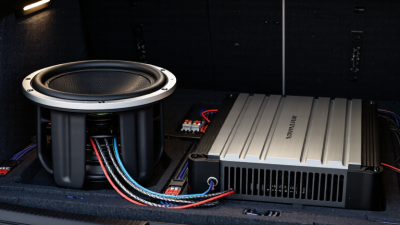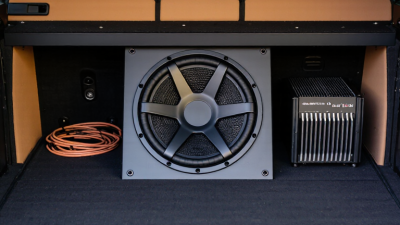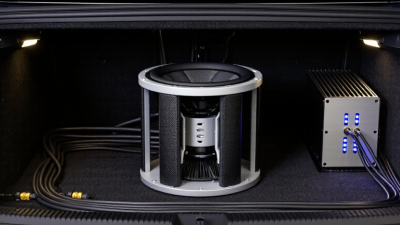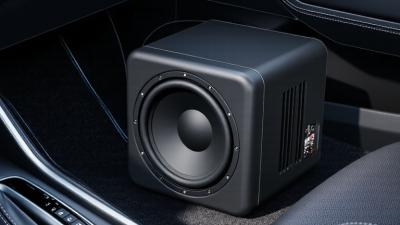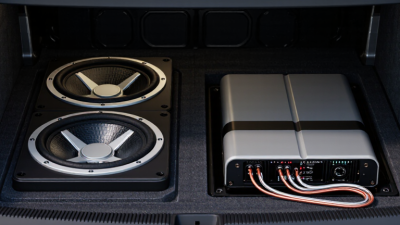
Honestly, when you're trying to narrow down the best Car Subwoofers for 2026, just comparing peak wattage? That's a rookie mistake. You gotta think about your ride, your amp, how you actually listen to music, and of course, the space you're working with. A compact sealed box might be your best bet if you want to keep trunk space, but if you crave that deep, boomy bass, a bigger ported box will give you way more punch in the low end. And here's the thing—fit matters a ton. And installation? Don't even get me started, that can make or break the whole experience.
You know, Alex Morgan—who really knows his way around car subwoofers—puts it like this: “The best subwoofer is the one that actually works for your ride, your ears, and the kind of bass you love.” And honestly, that’s a solid starting point, but don’t expect any sub to sound identical in every car. Like, the shape of your cabin, where you place the thing, what kind of box it’s in, and even how you tune it—all of that can totally change what you’re hearing. A great sub can still let you down if the setup’s just off. So yeah, keep that in mind.
So, this guide is all about comparing speakers and subs based on what actually matters—stuff like sound quality, how much power they can handle, enclosure options, build quality, and of course, what you're getting for your money. But I also wanted to dig into the nitty-gritty, like whether they'll fit in your trunk without a struggle, or if you're gonna need to buy an amp separately. Look, specs are great and all, but they don't tell you everything. If a product listing has a tiny mistake, or the fitment advice seems a bit vague, that's a red flag worth pausing on. Seriously, take the time to check the manufacturer's manual and measure your car's space before you commit to anything. So when it comes to picking a subwoofer, you know, don't just go for the one with the biggest number on the box. It's tempting, but what really matters is how well it fits with your existing setup, not how loud it can be.
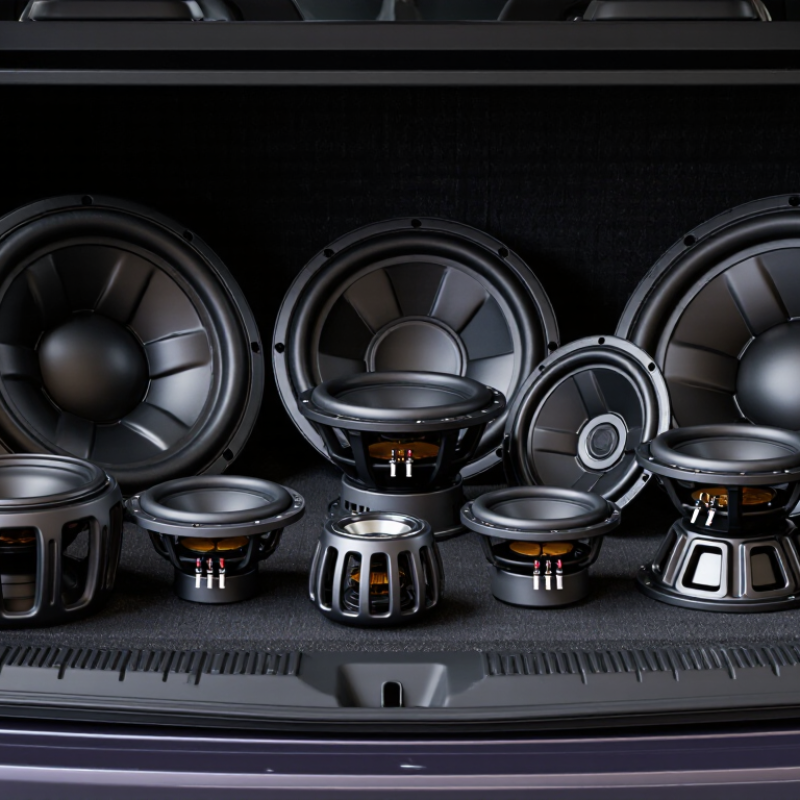
A subwoofer reproduces the low bass notes that small Door Speakers often struggle to deliver. When it is properly matched to the rest of the system, kick drums feel fuller and movie soundtracks gain weight without drowning out voices. You may also hear more detail at moderate volume, since the other speakers no longer need to handle as much deep bass. More bass is not automatically better.
Tips: Check the subwoofer’s size, enclosure requirements, and power handling before buying. Set the crossover so bass blends smoothly with your door speakers. Start with low gain, then adjust gradually. A rattling license plate can spoil the effect.
Installation and tuning matter as much as The Speaker itself. A compact enclosure may suit a small trunk, while a larger setup can take up useful cargo space. Listen from the driver’s seat with familiar music, not just a test tone. If bass seems boomy on one track and weak on another, revisit placement and settings. Even careful tuning has limits: cabin shape and speaker condition affect the result, and a perfectly even response can be difficult to achieve in a car.
Before buying a car subwoofer, check how it will work with your existing amplifier and vehicle. Match the subwoofer’s RMS power rating to the amplifier’s RMS output, rather than relying on peak-power figures. Also confirm the impedance is supported; a mismatch can cause poor performance or equipment damage. Small details matter.
Measure the available space in your trunk, including height and depth near hinges or seat backs. Then compare those measurements with the subwoofer and enclosure dimensions. A sealed enclosure usually takes less space and can produce controlled, tight bass. A ported enclosure may play louder around certain frequencies, but it often needs more room and careful tuning. Enclosure volume is easy to underestimate, even when the box seems to fit on paper.
Sensitivity can help indicate how efficiently a subwoofer uses available power, though it does not tell the whole story. Consider your listening habits, too: deep electronic bass and clear kick drums place different demands on a system. Check whether your vehicle’s electrical system and wiring can support the added load, and budget for proper installation if you are unsure. A little restraint helps. I would not choose solely by cone size; bigger does not automatically mean better sound.
The options below are general subwoofer configurations, not specific branded products. Power figures are typical RMS ranges, and enclosure space, impedance, and fitment vary by model. Check the manufacturer’s specifications and your vehicle’s available space before purchasing.
| Rank | Subwoofer Type | Typical Size | Typical RMS Power | Common Impedance Options | Enclosure & Space Needs | Best For | What to Consider Before Buying |
|---|---|---|---|---|---|---|---|
| 1 | Compact powered subwoofer | Typically 6.5–8 in | About 100–300 W | Amplifier and driver are matched internally | Built-in enclosure; usually designed for under-seat or compact cargo-area installation | Drivers who want stronger bass with minimal installation space | Measure available clearance carefully and check whether the unit accepts the audio signal from your existing stereo. |
| 2 | Shallow-mount 8-inch subwoofer | 8 in | About 150–400 W | Commonly single or dual voice coil; wiring options vary | Shallow sealed enclosure; generally needs less mounting depth than a conventional driver | Small vehicles and installations with limited depth | Confirm the cutout diameter and mounting depth; shallow designs still need adequate enclosure volume. |
| 3 | Sealed 10-inch subwoofer | 10 in | About 200–500 W | Commonly 2 or 4 ohms, depending on voice-coil design | Sealed box; compact relative to many ported designs | Tight, controlled bass and a space-conscious trunk installation | Match the amplifier’s stable impedance and RMS output; sealed boxes need the correct internal volume. |
| 4 | Ported 10-inch subwoofer | 10 in | About 250–600 W | Commonly 2 or 4 ohms, depending on voice-coil design | Ported box; usually larger than a comparable sealed enclosure | More output around the enclosure’s tuning frequency | Check box dimensions and tuning specifications, and secure the enclosure to prevent movement while driving. |
| 5 | Sealed 12-inch subwoofer | 12 in | About 300–700 W | Commonly 2 or 4 ohms, depending on voice-coil design | Sealed box; moderate to substantial cargo-space requirement | Balanced low-frequency output for everyday listening | Allow for the enclosure’s external dimensions, not just the driver diameter, and verify the amplifier match. |
| 6 | Ported 12-inch subwoofer | 12 in | About 400–1,000 W | Commonly 2 or 4 ohms, depending on voice-coil design | Ported box; typically requires more cargo space and careful placement | High bass output for music with strong low-frequency content | Use a properly designed enclosure and set amplifier gain correctly to reduce distortion and speaker damage. |
| 7 | Dual 10-inch enclosure system | Two 10-inch drivers | About 500–1,200 W total | Depends on the drivers’ voice coils and wiring configuration | Usually a large sealed or ported enclosure | Listeners seeking more output than a single 10-inch driver | Check the final wired impedance, total RMS rating, enclosure dimensions, and available electrical-system capacity. |
| 8 | Dual 12-inch enclosure system | Two 12-inch drivers | About 600–1,600 W total | Depends on the drivers’ voice coils and wiring configuration | Large enclosure; occupies a substantial portion of many trunks | High-output systems with sufficient space and supporting equipment | Plan for amplifier, wiring, fuse, and electrical-system requirements as well as the enclosure footprint. |
| 9 | Under-seat powered subwoofer | Typically 6–8 in | About 100–250 W | Amplifier and driver are matched internally | Low-profile, integrated enclosure intended for limited-space locations | Adding bass to a cabin without giving up much cargo room | Check seat clearance, ventilation, wiring access, and whether the unit’s output suits your listening expectations. |
| 10 | Free-air or infinite-baffle subwoofer | Commonly 10–12 in | About 200–600 W | Varies by driver; confirm amplifier compatibility | Uses a vehicle panel or rear deck as a separation between front and rear sound waves rather than a conventional box | Custom installations where a separate enclosure is not practical | Requires a suitable driver, a well-sealed mounting surface, and careful installation; it is not a drop-in choice for every vehicle. |
The ten best car subwoofers to buy in 2026 depend on cabin space, music taste, and amplifier output. A compact sealed 8-inch design suits tight trunks and adds controlled bass without taking over. A shallow-mount 10-inch model fits many low-clearance spaces, while sealed and ported 10-inch enclosures offer tighter or louder output. Good fit matters.
For deeper bass, consider sealed and ported 12-inch designs, which differ in enclosure size and sound character. Dual 10-inch setups can balance output and usable cargo room; dual 12-inch systems usually need more space and careful power matching. A powered under-seat unit is convenient for modest upgrades, though it may not satisfy listeners seeking strong low notes. A high-excursion 15-inch subwoofer can move substantial air, but its size makes vehicle fitment essential.
Compare enclosure dimensions, continuous power ratings, sensitivity, and impedance before buying. These specifications help prevent mismatches and set realistic expectations. A larger cone is not automatically better; installation and enclosure design can change the result. One caveat: a ranking looks tidy on paper, yet cabin shape can overturn it. Measure the available space, including room for wiring and ventilation, and check that the subwoofer works with the existing system.
Choosing a car subwoofer starts with the space available, not the biggest number on a box. Powered models combine the speaker and amplifier, making installation simpler. Component subs need a separate amplifier but allow more system flexibility. Sealed enclosures often produce controlled, compact bass. Ported enclosures can sound louder around their tuned frequency, but need more room. Neither type is automatically better; cabin shape and music preferences matter.
Size changes the character, but not by itself. An 8-inch sub may suit a small trunk and add definition. A 10-inch model often balances punch and depth. A 12-inch driver can move more air, provided the enclosure fits securely. Compare RMS power ratings, not peak figures, and match the subwoofer’s requirements to the amplifier. I once focused too much on cone size; enclosure volume turned out to matter just as much.
Tips: Measure the cargo area before buying. Check mounting depth, enclosure dimensions, and amplifier compatibility. Leave a little room for wiring and ventilation. A clean fit beats a rushed upgrade.
Top 10 Best Car Subwoofers to Buy in 2026? How to Match a Subwoofer with an Amplifier and Vehicle
Matching a subwoofer to an amplifier starts with continuous RMS power, not peak power. Choose an amp that can deliver power close to the subwoofer’s RMS rating at the final wiring impedance. Check that the amp is rated to handle that impedance. Numbers can mislead. A gain knob is not a volume control; set it carefully to reduce distortion and protect the speaker.
Your vehicle matters just as much. Measure the space before choosing an enclosure, including room for cables and seat movement. A compact sealed enclosure may fit a small trunk, while a ported one usually needs more space. The cabin can also make certain bass notes sound stronger than others. I would not treat any pairing as a perfect formula; listening position and vehicle acoustics can surprise you. Check the vehicle’s electrical system, too, especially when adding a high-powered amplifier.
Tips: Compare RMS ratings at the same impedance. Confirm the enclosure’s required internal volume, and secure it so it cannot slide. Start with low gain, then listen for clean bass at normal driving volume. If the sound gets harsh, back off and recheck the settings.
A subwoofer sounds cleanest when its enclosure suits the driver and the available space. Before installation, check the manufacturer’s recommended enclosure volume and mounting depth. A box that is too small can restrict performance; a poorly sealed one may create rattles. Secure the enclosure so it cannot slide during normal driving. Keep wiring clear of moving parts, and use the correct fuse and cable size for the system. Small details matter. Check polarity before closing panels, since reversed connections can weaken bass rather than strengthen it.
Tuning should start with the head unit’s tone controls flat and any loudness setting off. Set the low-pass crossover so the subwoofer blends with the main speakers, often near 70–90 Hz, then adjust by ear. Gain is not a volume knob. Raise it only until the bass feels present, without harshness or distortion. Listen to familiar music at a moderate level. Try the driver’s seat, then another seat; cabin acoustics can change what you hear. I would not trust a first adjustment too quickly. A small crossover change can make bass smoother, but too much equalization may hide a setup problem. Leave time to listen again after a short drive.
A bass upgrade does not have to mean sacrificing cabin space. An ultra-thin aluminum-alloy subwoofer is designed to sit beneath a seat, bringing low-frequency sound closer to passengers while keeping the trunk and footwells available for everyday use. Its compact enclosure makes it a practical option for drivers who want fuller, more defined bass without installing a large box. The aluminum-alloy construction also provides a rigid housing for the speaker, helping it remain suitable for a space where equipment must be compact and securely positioned.
The opportunity for thoughtful vehicle upgrades is reflected in SEMA’s 2023 Market Report, which estimated the U.S. specialty-equipment market at $52.3 billion in 2022. That figure covers a broad range of automotive products—not subwoofers alone—but shows the scale of interest in personalizing vehicles. For a sound system, an under-seat design can complement existing speakers by adding deeper tones that smaller door speakers may not reproduce as strongly. Before installation, check the available clearance beneath the seat and ensure the unit is mounted securely without obstructing seat movement or ventilation.
Start with available space and the bass you want. An 8-inch model can suit a small trunk, while a 10-inch model often balances punch and depth. Measure before buying.
No. Enclosure design and cabin shape can matter as much as cone size. I once focused too much on diameter. That was a poor shortcut.
Sealed boxes often provide controlled bass in a compact space. Ported boxes can play louder near their tuned frequency, but usually need more room.
A powered model includes an amplifier and can simplify installation. A component subwoofer needs a separate amplifier but offers more system flexibility.
Compare RMS ratings, not peak figures. Match the subwoofer’s requirements to the amplifier, and check impedance before connecting the system.
Check cargo space, mounting depth, and enclosure dimensions. Leave room for wiring and ventilation. A tight fit can cause trouble.
Begin with tone controls flat and loudness off. Set the low-pass crossover near 70–90 Hz, then adjust by ear at moderate volume.
Secure the enclosure, check its seal, and confirm wiring polarity before closing panels. Small details matter. Listen from more than one seat.
A car subwoofer can add depth and impact to a vehicle’s audio system by reproducing low frequencies that standard speakers may struggle to deliver. This guide explains what to consider before buying, including available space, listening preferences, enclosure requirements, and power handling. It also presents ten types of subwoofer options to explore in 2026, with comparisons of common designs, sizes, and power ratings to help readers understand how each choice may affect bass performance.
Choosing the right Audio Car Subwoofer is only part of building a balanced system. The guide outlines how to match a subwoofer with a compatible amplifier and vehicle, then covers installation and tuning basics. Careful setup, including suitable crossover settings and gain adjustment, can help produce clear, controlled bass that complements the rest of the audio system rather than overpowering it.