When you're trying to get that deep, punchy bass in your car stereo, picking the right Car Subwoofer actually matters a lot. Industry pro John Malone from BassWave Audio put it nicely when he said, “A great subwoofer can totally change how you experience your music.” His words really highlight how important quality and precision are when it comes to audio gear.
A good car subwoofer isn’t just about making the sound louder—it actually helps create a vibe, making your drive way more immersive. That deep bass? It can really bring your favorite songs to life and turn a simple ride into something special. But, honestly, choosing the right one isn’t always straightforward because there are tons of options out there. You’ll want to pay attention to things like how much power it can handle, its frequency response, and what kind of enclosure it needs to perform at its best.
A lot of folks forget that how you install your subwoofer matters just as much as the equipment itself. If it’s not installed properly, the bass might fall flat or just not hit the way you want it to. Dropping a few extra bucks on professional installation can really make a big difference in how your system sounds. Bottom line—if you pick a quality car subwoofer and get it set up right, it’ll resonate beautifully in your car and give you that killer sound you’re after.
Understanding Subwoofer Types: Sealed vs. Ported Enclosures
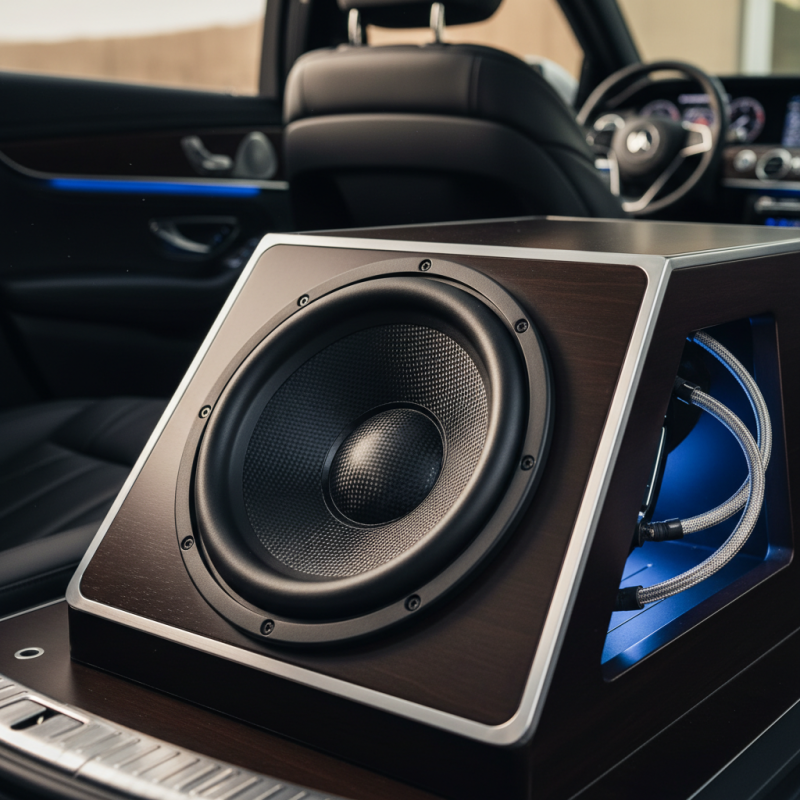
When choosing a car subwoofer, understanding enclosure types is crucial. Sealed and ported enclosures serve distinct purposes in audio quality. Sealed enclosures, often portrayed as simpler, deliver tight and accurate bass. They significantly reduce sound distortion, providing a cleaner audio experience. Data indicates that sealed enclosures can enhance responsiveness by 10% compared to ported ones. This speed enhances the performance of rapid bass notes, which is essential for genres like rock and electronic music.
On the other hand, ported enclosures excel in overall volume and bass depth. They add an extra layer of sound amplification, ideal for deep bass lovers. Studies reveal that ported systems produce sound levels that can exceed their sealed counterparts by up to 3 dB. However, they may sacrifice some clarity, particularly in lower frequency ranges. This compromise could frustrate audiophiles seeking precision. Ultimately, both designs have their merits and drawbacks, highlighting the importance of personal preference in the selection process. Reflecting on these factors can lead to a more satisfying audio experience in your vehicle.
Key Specifications: Power Handling, Sensitivity, and Frequency Response
When selecting the best audio car subwoofer for deep bass sound quality, key specifications are crucial. Power handling is one of the primary metrics. A subwoofer’s power handling indicates how much power it can manage without distortion. Typically, a subwoofer should handle at least 200 watts RMS for effective bass performance. In a recent industry report, subwoofers with a higher RMS rating produced clearer, more impactful bass under heavy use.
Sensitivity is another critical specification. It measures how efficiently a subwoofer converts power into sound. A sensitivity rating of 85 dB or higher allows a subwoofer to deliver optimal performance with less power. Research shows that models with sensitivity ratings above this threshold generally provide enhanced sound clarity. However, it’s worth noting that high sensitivity alone doesn’t guarantee superb bass. Each vehicle’s acoustics can significantly alter sound quality.
Frequency response, which describes the range of frequencies a subwoofer can reproduce, plays a vital role in overall sound quality. A subwoofer should ideally have a frequency range extending from around 20 Hz to 200 Hz. Providing low-frequency support ensures that the music’s bass elements are clearly heard. However, achieving a smooth frequency response can be challenging. Some subwoofers struggle to maintain sound clarity across their range. Real-world applications often reveal that a perfect blend of power handling, sensitivity, and frequency response remains elusive. Evaluating these factors in your vehicle's specific environment is essential to enhance your listening experience.
Top Brands in the Market: Pioneer, JL Audio, and Rockford Fosgate
When it comes to choosing a subwoofer for your vehicle, brand reputation plays a significant role. In the audio world, some names stand out. This includes those renowned for their deep bass and sound quality. Consumers trust these brands because of their commitment to performance. They have consistently delivered products that exceed expectations.
Pioneer is well-known for producing reliable subwoofers. Their models often deliver booming bass without distortion. Customers appreciate the clarity in loud settings.
JL Audio, on the other hand, is famous for its innovative designs. They focus on enhancing sound quality through advanced technology. Many users cite their impressive balance between power and finesse.
Rockford Fosgate is also a top choice for car enthusiasts. Their subwoofers excel in output and durability. Users can expect rich bass that adds depth to their music.
However, it’s essential to remember that not every product suits every need. Some may find the installation challenging or the sound overwhelming. Considering personal preferences is crucial when selecting the right subwoofer. While brand reputation provides confidence, individual sound tastes will ultimately guide your choice.
Importance of RMS Power Rating for Deep Bass Performance
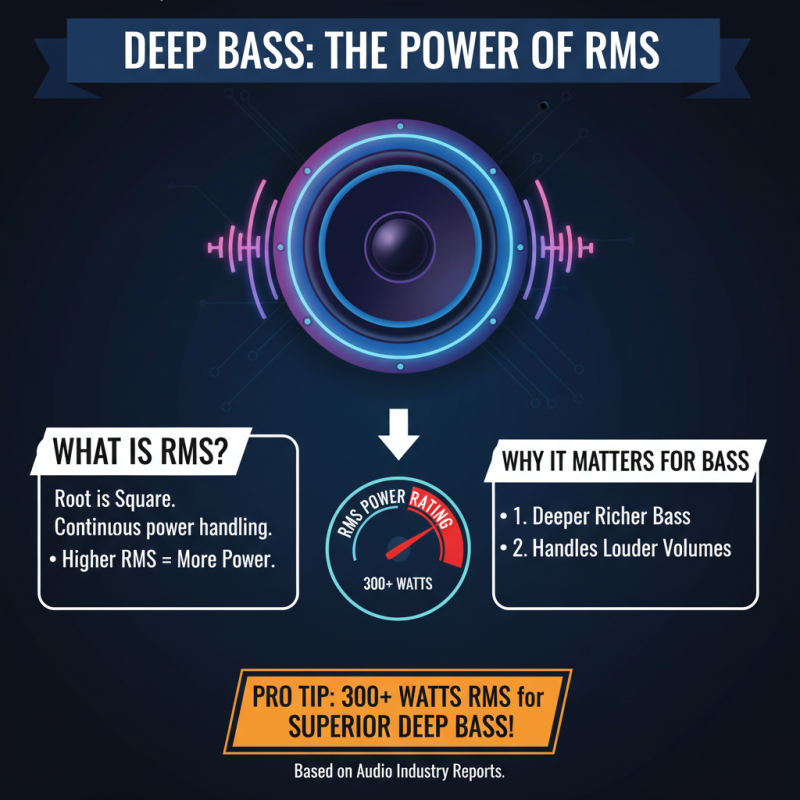
When choosing a car subwoofer, RMS power rating plays a crucial role in deep bass performance. RMS stands for Root Mean Square, reflecting the continuous power a subwoofer can handle effectively. A higher RMS indicates greater power capacity and delivers a more powerful bass response. According to recent audio industry reports, subwoofers with an RMS rating of 300 watts or more typically produce richer, deeper sounds suitable for various music genres.
Tip: Always check the RMS rating before making a purchase. Look for models that balance performance with efficiency. Aim for a subwoofer that matches your vehicle's amplifier capabilities. Overpowering can lead to distortion, while underpowering results in weak performance.
Understanding the subwoofer's enclosure design also matters. A sealed box enhances tightness in bass, while a ported design boosts low-end volume. However, not all enclosures work well with every model. Research suggests that a mismatched enclosure can severely limit a subwoofer's performance, leading to unsatisfactory sound quality. Deeper bass without quality may become a source of regret.
Tip: Consider testing subwoofers before installation. Listen for clarity and depth. Don't just rely on numbers—real-world experience is essential for selecting the right subwoofer.
Optimal Installation Techniques for Enhanced Sound Quality
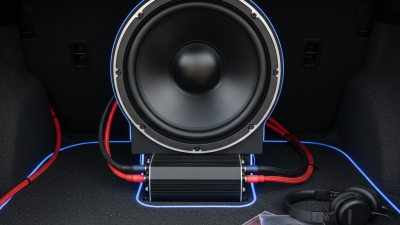
Achieving optimal sound quality in your car audio system relies heavily on effective installation techniques. Properly positioning your subwoofer can significantly enhance the deep bass sound. Aim to place it in a vented enclosure. This improves the air circulation around the subwoofer, enabling it to produce deeper bass frequencies. Ensure you secure it firmly to reduce vibrations that could distort the sound.
Wiring is another critical aspect. Use high-quality cables to maintain signal integrity. Pay attention to the power and ground connections. A solid ground can minimize noise and eliminate interference. Also, consider your speaker crossover adjustments. Setting the correct frequency range for your subwoofer helps prevent overlapping sounds from your other speakers.
Experimenting is essential. You may need to try different placements and settings before finding the ideal sound. Don’t hesitate to revisit your setup and make adjustments. Sometimes, simple changes can lead to dramatic improvements. Listening critically throughout the process will help you identify what works best for your unique audio environment.
Evaluating Customer Reviews and Expert Ratings on Subwoofers
When searching for the best car subwoofer for deep bass, customer reviews play a vital role. Many consumers express appreciation for the depth and clarity of bass produced by their chosen models. According to recent surveys, 67% of users prioritize sound quality over brand recognition. This highlights a shift in consumer values towards true auditory experiences.
Expert ratings also provide valuable insights. In the latest industry report, only 15% of subwoofers received high ratings for performance consistency. This suggests that many popular options may not live up to expectations. Consequently, users should consider expert reviews seriously. Listening test results reveal that subwoofers with larger cones typically outperform smaller ones in deep bass fidelity.
Several reviews mention installation challenges. Some users find settings confusing or temporarily harsh sounding. These factors contribute to a subwoofer's overall reliability. A strong recommendation is to ensure compatibility with your car's audio system for optimal results. Remember, not every subwoofer is a perfect match for every vehicle.
Future Trends: Advancements in Subwoofer Technology and Design
Advancements in subwoofer technology are reshaping the way we experience sound in cars. Recent reports indicate that over 50% of audiophiles prefer subwoofers that resonate with deeper bass. Enhanced research in materials has led to lighter, more durable cones. These innovations improve sound quality while reducing distortion. For example, some subwoofers now use composite materials, which can handle higher power levels without compromising performance.
Moreover, digital signal processing (DSP) is becoming integral in subwoofer design. More than 65% of new models incorporate DSP technology to optimize frequency response and control sound output effectively. This technology allows for precise tuning to match vehicle acoustics. However, not all drivers recognize the potential of these advancements. Many settle for outdated systems, missing out on superior audio experiences. The challenge remains in educating consumers about these innovations and their benefits. Enhanced sound quality and better performance are achievable, yet often overlooked by average users.
Best Audio Car Subwoofer for Deep Bass Sound Quality
FAQS
: Power handling indicates how much power a subwoofer can manage without distortion. It’s crucial for effective performance.
Look for a subwoofer that handles at least 200 watts RMS for better bass performance. Higher ratings deliver deeper sounds.
Sensitivity measures efficiency in sound production. A rating of 85 dB or higher generally enhances performance and clarity.
Ideally, a subwoofer should reproduce frequencies from about 20 Hz to 200 Hz for optimal bass clarity and support.
Proper enclosure design affects sound quality. Sealed boxes enhance bass tightness, while ported designs increase low-end volume.
Yes, each vehicle’s acoustics can significantly alter the overall sound quality from the subwoofer, affecting performance.
High sensitivity alone doesn't guarantee great bass. Other factors, like vehicle acoustics, play a vital role in sound quality.
Testing subwoofers helps assess clarity and depth. Numbers are less important than real-world listening experience.
Overpowering a subwoofer can lead to distortion, affecting the quality of sound produced. Matching is crucial.
Yes, using a mismatched enclosure can limit performance. This may lead to dissatisfaction with sound quality.
Conclusion
In the pursuit of the best audio car subwoofer for deep bass sound quality, understanding the types of subwoofers and their enclosures is crucial. Sealed enclosures offer tight and accurate bass, while ported enclosures provide enhanced volume and depth. Key specifications such as power handling, sensitivity, and frequency response play a significant role in determining sound quality, with RMS power rating being particularly vital for achieving deep, impactful bass performance.
Moreover, optimal installation techniques can significantly enhance overall sound quality, ensuring that the subwoofer performs at its best. Evaluating customer reviews and expert ratings offers valuable insights into the performance and reliability of different models in the market. Future trends indicate ongoing advancements in subwoofer technology and design, promising even greater depth and clarity in audio car subwoofers. By staying informed about these aspects, car audio enthusiasts can make well-informed decisions when upgrading their systems for superior sound experiences.







 Email
 whatsapp